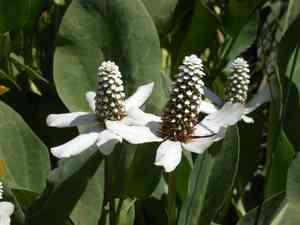
Yerba Mansa (Anemopsis californica)
Also known as: Yerba Mensa
Yerba Mansa (Anemopsis californica) is a plant indigenous to southwestern North America that flourishes in swampy, wet soils. Its name, Anemopsis californica, means "anemone-like," highlighting its delicate blossoms. In the fall, its leaves turn a deep crimson, adding ornamental value to gardens and landscapes.
In This Article
Attributes of Yerba Mansa
Lifespan
Perennial
Plant Type
Herb
Plant Height
8 cm to 80 cm
Spread
60 cm to 90 cm
Leaf Color
Green Gray Red Blue Silver Bronze
Flower Size
2.5 cm to 5 cm
Flower Color
White
Images of Yerba Mansa
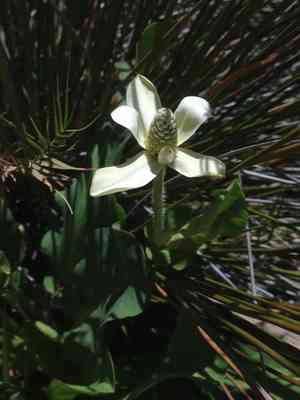
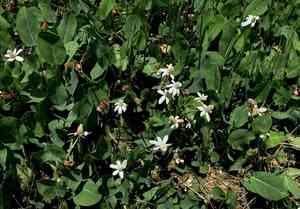
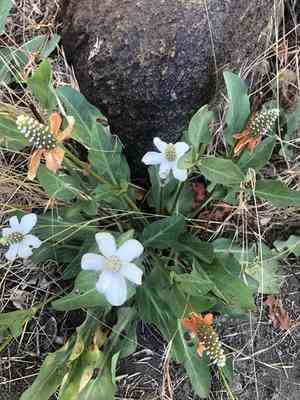
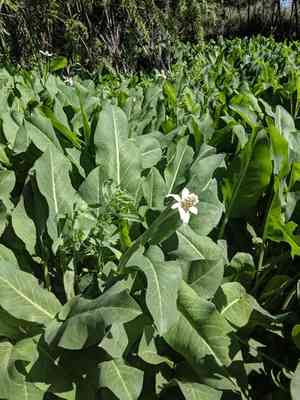
Quickly Identify Yerba Mansa
1
Basal leaves up to 1 foot tall provide a distinctive visual cue.
2
Cone-shaped flowers with white bracts bloom from spring to fall.
3
Thrives in moist soils up to 6 inches deep, adaptable to sun or shade.
4
Resilient to temperatures as low as 15-20°F (-9 to -7°C).
5
Spread in wet soils, ideal for groundcover and rain garden landscapes.
Scientific Classification of Yerba Mansa
Phylum
Vascular plants
Class
Dicotyledons
Order
Piperales
Family
Lizard's tail
Genus
Lizard tail
Species
Yerba Mansa
Planting and Growing of Yerba Mansa
Care Difficulty
Easy
Watering Schedule
Every 4 days
Sunlight Requirements
Full sun
Sunshine Duration
4-6 hours
Ideal Temperature
65-75℉
Soil Type
Potting Mix, Peat Mix
Soil pH
6.5-7.5
Fertilizer Type
Balanced
Pruning Season
Spring, Summer
Pruning Area
Branches, Leaves
Pruning Frequency
2 times a year
Repotting Season
Spring
Pot Type
Plastic, Ceramic
 How to Water Yerba Mansa?
Anemopsis californica, commonly known as yerba mansa, thrives in moist conditions resembling its native wetland habitat. Each watering session should be substantial enough to penetrate deep into the root zone, typically around 500 ml, ensuring the area around the roots remains adequately moist but not waterlogged.
What are the symptoms of an underwatered Yerba Mansa?
›
What should I do if my Yerba Mansa is not getting enough water?
›
What are the symptoms of an overwatered Yerba Mansa?
›
How to save an overwatered Yerba Mansa?
›
 What Are the Sunlight Requirements for Yerba Mansa?
Anemopsis californica thrives under full sun or partial sun conditions. Ideal light promotes lush foliage and strong structural growth, assisting in floriferous development when adequately nourished. Well-lit conditions ensure the plant can photosynthesize effectively, maintaining overall health.
More About Sunlight Requirements Techniques→
What is the best lighting for Anemopsis californica?
›
How can I ensure Anemopsis californica receives ideal sunlight?
›
Benefits of ideal lighting conditions for Anemopsis californica?
›
 What Is the Ideal Temperature Range for Yerba Mansa?
The ideal temperature range for Anemopsis californica, commonly known as Yerba Mansa, is between 65°F and 75°F. Within this range, the plant can perform photosynthesis efficiently and maintain healthy growth. This moderate temperature range mimics the plant's natural habitat, ensuring robust development and flowering.
 What Soil is Best for Yerba Mansa?
Anemopsis californica thrives in well-drained soil as it prevents waterlogging, ensuring roots have access to both nutrients and oxygen. This condition is crucial to avoid root rot and maintain healthy plant growth. This plant prefers soil that retains moisture yet drains efficiently to keep the roots hydrated without drowning them. The ability to hold moisture is vital for the plant's resilience during dry spells. Anemopsis californica benefits greatly from a nutrient-rich medium, providing essential minerals that support its unique foliage and flowering capability. A good balance of organic matter enriches the plant's growth.
 How to Fertilize Yerba Mansa?
For Anemopsis californica, a moderate amount of fertilizer is recommended. When using liquid fertilizer, mix 1 teaspoon of balanced liquid fertilizer per gallon of water. For slow-release fertilizers, apply according to package directions, generally 1 tablespoon per plant, ensuring to avoid direct contact with the plant base to prevent burning.
 How to Prune Yerba Mansa?
Start by inspecting the plant for any visible dead or damaged stems. Use sterilized, sharp pruning shears for clean cuts. Trim back these stems to a healthy point, just above a leaf node or where new growth is evident. Remove any overcrowded growth to open up the center of the plant, improving air circulation. Be cautious to make angled cuts that shed water easily. After pruning, clear away all plant debris to prevent potential disease spread. This careful approach ensures Anemopsis californica stays robust and visually appealing.
More About Pruning Techniques→
 How to Propagate Yerba Mansa plant?
1
Fill seed trays with a well-draining potting mix. Evenly distribute the Anemopsis californica seeds on the surface and cover lightly with soil. Water gently to activate germination and place the tray in a warm, bright location.
2
Select healthy stems and use pruning shears to cut 4-6 inch sections. Remove the lower leaves and dip the cut end in rooting hormone. Plant cuttings in a pot with moist, sterile potting mix and cover with a plastic bag to maintain humidity.
3
Dig up the parent plant carefully to avoid damaging the roots. Gently separate the clumps into smaller sections, ensuring each has roots attached. Replant the divisions immediately in a prepared garden bed or pots and water well.
 How to Repot Yerba Mansa plant?
1
Anemopsis californica shows signs it needs repotting when its roots begin to crowd the pot, emerging through drainage holes. Spring and autumn are optimal seasons since mild temperatures promote growth and minimize transplant shock, allowing the plant to settle into its new home comfortably.
2
Select a pot that is one size larger and ensure it has adequate drainage holes. A pot with good drainage prevents waterlogging, reducing the risk of root rot, ensuring the roots remain healthy and vigorous for optimum growth.
3
Opt for a sandy, well-draining soil mix tailored for succulents or similar drainage-required plants. This soil prevents waterlogging, offering a balance between moisture retention and aeration, thus promoting healthy root development and plant stability.
Learn More About Yerba Mansa Diseases
Anthracnose
Bacterial Leaf Spot
Bacterial Soft Rot
Bacterial Wilt
Black Spot
Chemical Injury
Crown Gall
Cyst Nematode
Damping-off
Downy Mildew
Drought Stress
Fusarium Wilt
Gray Mold
Leaf Curl
Leaf Spot
Mosaic
Nutrient Deficiency
Nutrient Toxicity
Powdery Mildew
Root Rot
Root-knot Nematode
Rusts
Sooty Mold
Spider Mites
Temperature Stress
Thrips Damage
White Mold



