How to Prune Yerba Mansa?
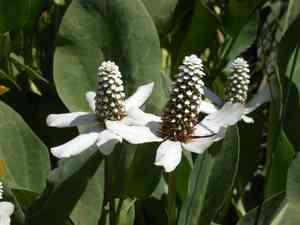
Celebrated for its unique cone-shaped flower clusters and expansive, glossy leaves, yerba Mansa flourishes with judicious trimming. Eliminate deceased or compromised leaves and slender stems in the springtime to stimulate robust summer development. Throughout the active cultivation periods of spring and summer, regular shaping preserves its form and enhances its well-being. Minor pruning in autumn can avert deterioration and insect problems. Trimming not only encourages fresh development, leading to a more resilient plant, but also aids in controlling its expansion within garden arrangements.
Advantages of Trimming Yerba Mansa
Advantages of Trimming Yerba Mansa
Trimming yerba Mansa promotes more robust development, stimulates flowering, and helps maintain its desired form. By removing aged or overgrown sections, yerba Mansa can redirect energy to produce vibrant new growth and blossoms.
Optimal Time for Trimming Yerba Mansa
Optimal Time for Trimming Yerba Mansa
Trimming in Spring allows yerba Mansa to channel energy into new growth and recover swiftly, as this marks the start of its active growth phase. Trimming in Late Summer can be ideal for shaping the plant and removing spent blooms, enhancing its overall health and appearance before it prepares for dormancy. Early Fall enables the gardener to clear any diseased or damaged foliage before the plant enters winter dormancy, reducing the likelihood of disease and pest issues. These periods minimize stress on yerba Mansa, foster healthy development, and ensure vigorous growth for the upcoming season.
Essential Tools for Trimming Yerba Mansa
Bypass Pruners
Perfect for making clean, precise cuts on the soft, green stems of yerba Mansa. Their scissor-like action helps maintain the plant's health and appearance without causing undue tissue damage.
Hand Shears
Suitable for shaping and managing the spread of yerba Mansa by trimming excess growth. Their longer blades can cut multiple stems simultaneously, making them efficient for larger plant areas.
Gardening Gloves
Though not a cutting tool, gloves are crucial for protecting hands from moisture and potential irritants when trimming yerba Mansa. The damp environment where yerba Mansa thrives can increase the risk of skin irritation or slippage when using sharp tools.
How to Trim Yerba Mansa
Clean tools
Sanitize trimming tools beforehand to prevent disease transmission. Use a solution of one part bleach to nine parts water or a commercial disinfectant to thoroughly clean blades.
Remove diseased leaves
Identify and remove any diseased leaves from yerba Mansa to stop infection spread. Cut leaves at their base, being careful not to tear stems or nearby healthy leaves.
Trim withered leaves
Trim off withered leaves to encourage healthy growth and improve air circulation around yerba Mansa. Use sharp, clean scissors or pruning shears, cutting close to the stem without harming it.
Deadhead flowers
Deadhead faded flowers by cutting them back to their base or to the next bud to stimulate new growth and potentially extend yerba Mansa's blooming period.
Cleanup
Gather and dispose of all removed plant material away from yerba Mansa to minimize disease risk. This helps maintain a tidy area and reduces pest likelihood.
Common Trimming Errors with Yerba Mansa
Over-trimming
Removing more than one-third of yerba Mansa's foliage can stress the plant and impede its development.
Incorrect cuts
Making jagged or tearing cuts can harm yerba Mansa's stems, leading to disease or poor regrowth.
Trimming during active growth
Cutting back yerba Mansa when it's actively growing can disrupt its natural growth cycle and diminish its vigor.
Neglecting tool hygiene
Using unsanitized trimming tools can introduce pathogens to yerba Mansa and spread disease.
Ignoring plant architecture
Trimming yerba Mansa without considering its natural form can result in an unattractive plant and hinder its growth.
General Trimming Advice for Yerba Mansa
Sharp tools
Utilize sharp, clean trimming shears to make precise cuts on yerba Mansa, which aids in rapid healing.
Selective thinning
Remove only the necessary parts of yerba Mansa, such as dead, damaged, or diseased tissue, to maintain plant health without excessive trimming.
Cut angle
Make cuts at a 45-degree angle just above a leaf node to promote proper water runoff and new growth in yerba Mansa.
Conservative approach
For yerba Mansa, it's best to trim sparingly and re-evaluate the plant's response before further trimming.
Wound care
After trimming yerba Mansa, allow cuts to heal naturally without applying wound dressings, which can trap moisture and encourage rot.



