How Much Sunlight Do Yerba Mansa Need?
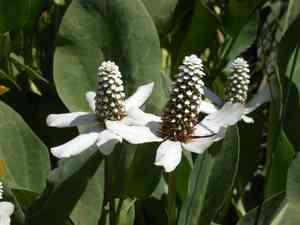
1
Yerba Mansa flourishes in direct sunlight, though it can endure some shade.
2
Early day sun is more advantageous for Yerba Mansa than intense midday sun.
3
Indications of sun damage in Yerba Mansa involve leaf fading and drooping.
Optimal Light Conditions for Yerba Mansa
Full Sun vs. Partial Shade
For Yerba Mansa, the best scenario involves at least 6 hours of direct sunlight daily. This perennial prefers ample morning light but can tolerate some shade. In areas with strong afternoon sun, providing a degree of shade can shield the plant from potential heat damage. Balancing full sun and partial shade is vital for its health.
Morning Sunlight Advantages
Morning sunlight is especially good for Yerba Mansa as it's less intense and offers gentle warmth. Cooler morning temperatures combined with sunlight boost photosynthesis without causing the plant to overheat. Positioning your plant to absorb morning sun will encourage strong growth and maintain its vigor.
Avoiding Intense Afternoon Sun
The powerful rays of the afternoon sun can be quite challenging for Yerba Mansa. To prevent leaf burn and reduce plant stress, it's wise to protect it from the harsh midday and late afternoon sun. This can be achieved with shade cloths or by placing the plant where it naturally gets partial shade during the hottest part of the day.
Recognizing Sun Stress in Yerba Mansa
Signs of Excessive Sun
Too much sunlight can lead to visible signs of stress in Yerba Mansa. Common indicators include discolored leaves with brown or yellow edges, wilting despite sufficient water, and a general decline in plant health. Spotting these symptoms early allows for adjustments in light exposure to improve plant well-being.
Signs of Insufficient Sunlight
Conversely, inadequate sunlight can also impact Yerba Mansa. Symptoms of low light levels include leggy growth with elongated stems, pale or dull-colored foliage, and stunted development. Addressing these signs by increasing light exposure can help the plant regain its strength and vibrancy.
Adjusting Yerba Mansa's Sunlight Exposure
Utilizing Shade Cloths
Shade cloths offer a practical method for shielding Yerba Mansa from excessive sunlight. Available in various densities, these cloths can be draped over plants to filter the light they receive. This technique is particularly useful during peak summer months to prevent sunburn and heat stress while still allowing adequate light.
Repositioning for Optimal Light
Moving your Yerba Mansa to a different garden spot might be necessary to find ideal light conditions. Place the plant where it gets morning sun but is protected from strong afternoon rays. This could involve relocating containers or redesigning garden layouts for best light management.
Seasonal Light Adjustments
Seasonal changes can impact the amount of sunlight Yerba Mansa receives. During summer, more shade may be needed, while in cooler months, the plant can benefit from maximum sunlight exposure. Monitoring seasonal variations and adjusting plant placement accordingly will support year-round health.
Yerba Mansa Sunlight Needs FAQs
Can Yerba Mansa Thrive Indoors?
Yerba Mansa can indeed grow indoors if conditions are optimal. Position it near a sunny window for ample light. If natural light is limited, consider using grow lights as a supplement. Ensuring proper light levels will keep the plant flourishing indoors just as it would outdoors.
What's the Best Garden Spot for Yerba Mansa?
The ideal location for Yerba Mansa in your garden is one that receives full morning sun but offers some protection from intense afternoon rays. Spots with partial afternoon shade, such as near taller plants or structures that cast shadows, can provide the perfect environment.



