How to Transplant Canadian anemone?
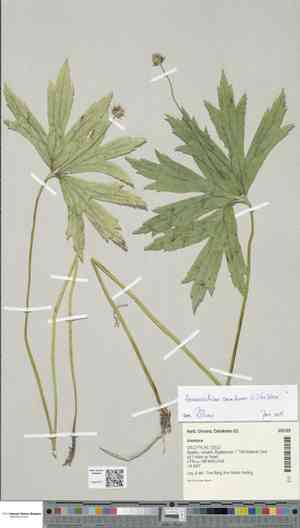
Select the summer season for transplanting canadian anemone, as it flourishes with the vitality of this period. Pick a location that receives both sun exposure and partial shade. During the relocation process, exercise care; canadian anemone prefers its root system to remain intact for a smooth adjustment.
What Preparations are Needed Before Transplanting Canadian Anemone?
What is the Ideal Time for Transplanting Canadian Anemone?
The best time to move canadian anemone is during the milder temperatures of early autumn or spring. This timing allows the plant to settle without the strain of intense summer heat. Relocating in these seasons encourages root development before the extremes of winter or summer. A gentle and favorable period for garden adjustments offers canadian anemone a peaceful setting to flourish and spread its beauty in your garden. Placing canadian anemone during these times maximizes its chances of survival, ensuring a smooth transition to its new home.
How Much Space Should You Leave Between Canadian Anemone Plants?
To get ready for planting canadian anemone, give each plant ample room to grow. Ideally, maintain a distance of approximately 1-2 feet (30-60 cm) between each specimen. This will create an optimal growth environment, allowing your canadian anemone to thrive.
What is the Best Soil Mix for Canadian Anemone Transplanting?
For canadian anemone, a soil that drains well and is rich in organic material is most suitable. About a week before transplanting, enrich your soil with compost or a balanced slow-release fertilizer. This will provide nutrients to your canadian anemone throughout its growing season.
Where Should You Relocate Your Canadian Anemone?
When selecting a new spot for canadian anemone, choose an area that receives both sun and partial shade, as canadian anemone enjoys a moderate amount of sunlight, but requires some protection during the hottest parts of the day.
What Equipments Should You Prepare Before Transplantation Canadian Anemone?
Gardening Gloves
To safeguard your hands from dirt and prevent any potential harm while handling the plant.
Trowel or Spade
To excavate the canadian anemone from its original spot and to create a hole in the new location.
Gardening Fork
To loosen the soil surrounding the canadian anemone prior to removal.
Watering Can
To hydrate the plant before and after its relocation.
Wheelbarrow or Bucket
To move the canadian anemone from its initial position to the new site safely and without causing damage.
Mulch
To cover the ground around the canadian anemone after transplanting to retain moisture and deter weed growth.
How Do You Remove Canadian Anemone from the Soil?
How Do You Remove Canadian Anemone from the Soil?
From Ground: Start by watering the soil around the base of the canadian anemone. This will facilitate easier removal of the plant without harming its roots. Next, use a gardening fork to loosen the soil around the plant's rootball. Then, use a spade or trowel to dig a wide circle around the plant, being careful not to cut into the rootball. Gently lift the plant from the ground, keeping as much of the root system intact as possible. Carefully move the plant to the wheelbarrow or bucket for transport.From Pot: If the canadian anemone is in a pot, watering just before transplanting is crucial. Be gentle, invert the pot and tap lightly to release the plant. Ensure you support the plant at its base to avoid stem damage.From Seedling Tray: Water the tray, then gently hold the canadian anemone by its base or leaves (avoid pinching the stem) and carefully lift the seedling. If it's resistant, you can use a small tool like a spoon to help pry it out, but be very cautious not to harm the rootlet.
Step-by-Step Guide for Transplanting Canadian Anemone
Preparation
Prepare the new planting site before beginning the transplant process. It should be wide and deep enough to accommodate the plant's root system. Loosen the soil at the bottom of the hole with the gardening fork.
Transplant
Carefully place the canadian anemone into the hole, ensuring it is upright and the top of the rootball is level with the ground surface.
Backfill
Carefully refill the hole, gently firming the soil around the rootball. Avoid mounding soil against the stem, which could lead to rot.
Watering
Thoroughly water the canadian anemone after transplanting, saturating the ground to assist with root establishment.
Mulching
Apply mulch around the plant without covering the stem, to conserve moisture and reduce weed growth.
How Do You Care For Canadian Anemone After Transplanting?
Checkup
Inspect the canadian anemone daily for one to two weeks for any indications of transplant shock, such as wilting or yellowing leaves. If any signs appear, increase watering frequency, but avoid overwatering as it could cause root rot.
Watering
Keep the soil around the canadian anemone consistently moist, but not waterlogged, for the initial few weeks after transplanting to help establish strong roots.
Pruning
If you notice any leaves or stems of the canadian anemone turning brown after the transplant, trim them to redirect energy to healthier, actively growing parts of the plant.
Mulching
Replenish the mulch when it begins to thin, to maintain soil moisture and control weeds.
Troubleshooting Common Issues with Canadian Anemone Transplantation.
When is the best time to transplant canadian anemone?
The optimal period to transplant canadian anemone is from late summer to early autumn (S4-S6). This provides them sufficient time to establish roots before colder weather arrives.
How can I ensure the best growth for canadian anemone after transplanting?
Ensure canadian anemone are spaced approximately 1-2 feet (0.3-0.6m) apart. This promotes good air circulation and allows room for growth, minimizing nutrient competition.
Why are my transplanted canadian anemone wilting or showing signs of stress?
Transplantation can be stressful for canadian anemone. Maintain consistent watering after transplanting and shield them from direct, harsh sunlight for the first few days to alleviate stress.
How deep should I plant canadian anemone when transplanting?
The hole for transplanting canadian anemone should be deep enough to fully enclose the root ball. Plants not properly seated may be exposed to wind and drying.
Should I water canadian anemone immediately after transplanting?
Yes, it is crucial to water the canadian anemone immediately after transplanting. This ensures the soil settles around the roots, eliminating air pockets and establishing contact.
What should I do if the leaves of canadian anemone turn yellow after transplanting?
Yellow leaves might indicate overwatering or a lack of nutrients. Adjust your watering schedule and consider a balanced plant fertilizer to address potential nutrient deficiencies.
What kind of soil is suitable for transplanting canadian anemone?
Canadian anemone prefer well-drained soil rich in organic matter. Check soil pH; it should be slightly acidic to neutral (6.0-7.5). If necessary, amend the soil with compost.
How can I reduce shock to canadian anemone during the transplant process?
Minimize transplant shock by disturbing the roots as little as possible and by transplanting during cooler parts of the day or on overcast days.
What's the optimal light condition for canadian anemone after transplantation?
Canadian anemone thrive in partial to full sunlight. However, avoid intense midday sun for the first few days after transplanting to help ease their transition.
How long does it take canadian anemone to settle after transplanting?
The settling period for canadian anemone can vary, but generally, most perennials will show signs of new growth within 2-3 weeks after transplantation.



