How to Prune Canadian anemone?
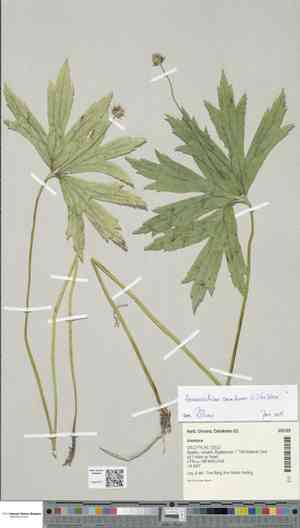
The canadian anemone, a perennial recognized for its striking white blossoms, thrives when spent flowers are removed to stimulate further blooming. In late autumn, trim the foliage down to the soil line. Perform pruning in late spring to foster a dense growth pattern, and repeat in summer if required. Judicious trimming deters self-propagation and sustains the plant's vitality, guaranteeing an impressive spectacle annually.
Why Prune Canadian Anemone?
Why Prune Canadian Anemone?
Pruning canadian anemone promotes robust development and maintains its form. Regular trimming prevents excessive growth, ensuring canadian anemone has sufficient room and nutrients to flourish while enhancing its visual appeal.
When Is the Best Time to Prune Canadian Anemone?
When Is the Best Time to Prune Canadian Anemone?
Pruning canadian anemone in late spring or early summer is optimal, coinciding with its post-blooming phase, typically in late spring. This timing allows for the removal of spent flowers and deadheading, fostering a healthier plant and potential for rebloom. Pruning immediately after flowering supports canadian anemone's growth cycle by redirecting its energy towards root and foliage development instead of seed production. This also minimizes plant stress, as it's not actively forming buds. Trimming during early summer can shape the plant and manage its spread, as canadian anemone can be vigorous and might intrude on other plants' space. Always ensure tools are sanitized and cuts are clean to prevent disease introduction. Avoiding pruning in fall and winter ensures the plant retains full foliage for photosynthesis and protects its crown from cold temperatures during dormancy.
What Tools Are Needed to Prune Canadian Anemone?
Bypass Pruners
Perfect for making clean, close cuts on canadian anemone's thinner stems without causing unnecessary harm to the plant tissue.
Gardening Gloves
Protects the gardener's hands from thorns and potential skin irritants while pruning canadian anemone.
Pruning Shears
Useful for trimming back overgrown foliage of canadian anemone and maintaining plant shape and health.
How to Prune Canadian Anemone
Sanitize tools
Before starting, sterilize pruning shears or scissors with a solution of 1 part bleach to 9 parts water to prevent the spread of disease to canadian anemone.
Identify blooms
Examine canadian anemone closely to identify dead or fading flowers that need to be removed, ensuring you clearly differentiate them from healthy, vibrant blooms.
Cut blooms
Using the sterilized shears, snip the dead flowers at the base of their stems, cutting at a 45-degree angle to encourage water runoff and reduce the risk of disease.
Discard trimmings
Carefully collect and dispose of the cuttings in a compost bin or away from the garden area to prevent potential spreading of pests or diseases back to canadian anemone.
Observe plant
After pruning, monitor canadian anemone for new growth and overall health, removing any additional dead flowers as they appear to maintain a clean and healthy plant.
Common Pruning Errors with Canadian Anemone
Excessive pruning
Cutting back canadian anemone too aggressively can lead to stress and reduced vigor. It is important to prune only what is needed to encourage healthy growth without removing too much of the plant at once.
Incorrect tool use
Using dull or dirty pruning tools can damage the stems of canadian anemone, leading to improper cuts that can introduce pests or diseases. It's essential to use clean, sharp tools for precise cuts.
Removing healthy parts
Without proper identification, gardeners might mistakenly remove healthy canes, thinking they are spent or damaged. This can reduce the flowering potential of canadian anemone.
Ignoring deadheading
Failing to regularly deadhead, or remove spent flowers, can leave canadian anemone looking untidy and may hinder new blooms from forming.
Helpful Pruning Tips for Canadian Anemone
Selective thinning
Remove only the most crowded, old, or non-vigorous stems to allow adequate air circulation and light penetration, which are crucial for the health of canadian anemone.
Deadheading
Regularly remove spent flowers to encourage canadian anemone to produce more blooms and to maintain a neat appearance.
Careful cuts
Make cuts at a 45-degree angle just above a set of leaves or at the base of the plant to encourage proper healing and new growth in canadian anemone.
Post-bloom pruning
After the main blooming period, cut back the stems of canadian anemone to the ground to help rejuvenate the plant and prepare it for the next growing season.



