The Hidden Danger in Your Home? Unmasking the Toxicity of the Canadian anemone Plant.
1
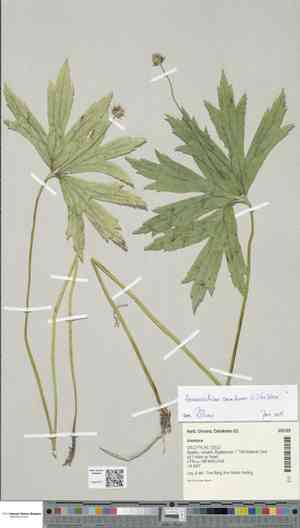
Every component of the Canadian anemone, encompassing its stem, foliage, seeds, and blossoms, is poisonous.
2
Consumption of Canadian anemone may lead to emesis, loose stools, and oral lesions.
3
Prompt veterinary care is essential if animals ingest Canadian anemone to prevent serious health complications.
Is Canadian anemone toxic to humans?
Canadian anemone is a plant with moderate toxicity, whether contacted or consumed. Every part of the plant, including its stem, foliage, seeds, and blossoms, is poisonous. This plant contains substances that can irritate the skin. It is also unsuitable for consumption and can lead to digestive upset. The plant contains protoanemonin, a toxic compound that induces vomiting and diarrhea if swallowed. These toxins can also lead to the formation of blisters and sores inside the mouth. Direct contact with the plant may result in skin irritations, particularly in individuals prone to allergies. Typical symptoms include redness, itchy areas, and swelling.
Is Canadian anemone toxic to cat?
Canadian anemone presents a slight danger to felines if consumed in substantial amounts. Every component of the plant is poisonous, and ingestion can result in indications of physical discomfort and sickness. Should a cat exhibit such signs, prompt veterinary attention is vital. It is crucial to ensure that cats are kept away from canadian anemone to prevent any potential health issues.
Is Canadian anemone toxic to dog?
Canadian anemone carries a low toxicity risk for canines. Dogs can experience poisoning mainly if they ingest large quantities of the plant. All sections of canadian anemone are deemed toxic and have the capacity to induce negative effects in dogs. Pet owners should be watchful for signs of poisoning, which might include digestive upset, excessive salivation, throwing up, or loose stools. If a dog consumes canadian anemone, it is essential to obtain immediate veterinary assistance to ensure the best possible prognosis for the animal.



