How to Transplant Cutleaf anemone?
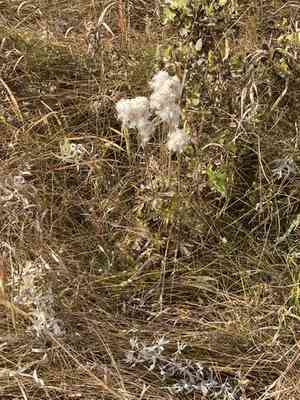
The most favorable time to transplant cutleaf anemone is in the revitalizing embrace of early spring, fostering robust development. Choose a location with filtered sunlight, guaranteeing damp, adequately draining earth for flourishing outcomes. Although precise details are withheld, prioritize delicate handling throughout the relocation process.
What Preparations are Needed Before Transplanting Cutleaf Anemone?
What is the Ideal Time for Transplanting Cutleaf Anemone?
The perfect time for moving cutleaf anemone is during spring; its mild temperatures and damp soil provide an excellent foundation for growth. This takes advantage of spring's vigorous growth period, ensuring cutleaf anemone establishes itself robustly to flower beautifully. Utilize this season to give your cutleaf anemone a strong start, supported by spring's nurturing conditions for a flourishing garden favorite.
How Much Space Should You Leave Between Cutleaf Anemone Plants?
When relocating cutleaf anemone, remember to provide some distance between each plant. Ideally, they should be spaced approximately 1-2 feet (30-60 cm) apart. This allows them ample room to develop without overcrowding.
What is the Best Soil Mix for Cutleaf Anemone Transplanting?
Prepare a loamy or sandy soil for cutleaf anemone. These plants flourish in well-draining soil, enriched with organic material. Before planting, incorporate a slow-release fertilizer into the soil to supply essential nutrients.
Where Should You Relocate Your Cutleaf Anemone?
Select a location that receives full to partial sunlight for your cutleaf anemone plants. They prefer sunny conditions but can tolerate some shade. Ensure the spot is clear of any large structures or trees that might block sunlight.
What Equipments Should You Prepare Before Transplantation Cutleaf Anemone?
Gardening Gloves
To safeguard your hands from any sharp edges when handling the cutleaf anemone's delicate roots and from dirt while working with soil.
Shovel or spade
To excavate the cutleaf anemone plant from its original spot while keeping the root ball intact, and to dig the new hole for replanting.
Trowel
To make minor adjustments to the planting hole if needed and to assist in covering the root ball with soil after planting.
Wheelbarrow or Plant Pot
To move cutleaf anemone from its initial location to its new transplanting site without causing harm to the plant.
Watering Can / Hose
For gentle irrigation of the cutleaf anemone before and after relocation.
How Do You Remove Cutleaf Anemone from the Soil?
How Do You Remove Cutleaf Anemone from the Soil?
From Ground: Ensure to thoroughly water the cutleaf anemone plant a day prior to transplant. This guarantees the plant is well-hydrated and the soil is easily manageable. This process also promotes a healthier transplant by reducing root shock. When ready to transplant, dig a wide trench around the plant with a shovel, making sure to maintain a generous margin to keep the root ball intact. Once this is done, gently work the spade beneath the root ball and slowly lift the plant from its original position.From Pot: Water the cutleaf anemone plant a few hours before you plan to transplant to simplify the process. Turn the pot sideways, hold the plant gently by its stems or leaves, and tap the bottom of its container until the plant slides out. Be careful not to pull the plant and damage the root system.From Seedling Tray: Use a small gardening trowel or even your fingers to carefully lift the cutleaf anemone seedling out of its tray, taking care not to harm the roots or stem. Ensure all roots are completely lifted from the tray to facilitate a successful transplant.
Step-by-Step Guide for Transplanting Cutleaf Anemone
Preparation
Water the cutleaf anemone plant thoroughly the day before transplanting to help minimize transplant shock.
Removing the cutleaf anemone
Utilize the appropriate method based on the cutleaf anemone's current placement (in the ground, in a container, or a seedling tray). Always handle the plant with care to prevent root damage.
Preparing the New Location
Dig a hole that is twice the width and the same depth as the cutleaf anemone's root ball. Ensure the base of the hole is firm to keep the plant at the correct level.
Planting
Carefully position the cutleaf anemone in the hole. The top of the root ball should be even with the surrounding soil. Backfill with original soil or a mixture of original soil and compost.
Watering
Once positioned, water the soil around the cutleaf anemone thoroughly to help settle the soil around the roots and eliminate air pockets.
How Do You Care For Cutleaf Anemone After Transplanting?
Watering
For the initial weeks following transplanting, keep the soil moderately moist (but not waterlogged) to encourage root growth and lessen stress on the cutleaf anemone.
Mulching
Apply a layer of mulch around the cutleaf anemone, but not touching the stem, after transplanting to help retain moisture and regulate soil temperature.
Observation
Monitor the cutleaf anemone for any indications of transplant shock, such as yellowing foliage or stunted growth. If these appear, reduce sun exposure and maintain consistent watering.
Pruning
Trim back any damaged or withered leaves to redirect the cutleaf anemone's energy towards new leaf and root development.
Troubleshooting Common Issues with Cutleaf Anemone Transplantation.
When is the best time to transplant cutleaf anemone?
The ideal period to transplant cutleaf anemone is during what can be referred to as the 'active growth seasons,' which occur between early spring and summer.
What is the ideal spacing required for cutleaf anemone?
Provide your cutleaf anemone ample room to grow by maintaining a distance of approximately 1 to 2 feet (30 to 60 cm). This promotes healthy development.
What should be the condition of the soil while transplanting cutleaf anemone?
Cutleaf anemone prefers soil that drains well. Enhance the soil with organic compost to foster their growth and aid in their establishment.
How deep should I plant the cutleaf anemone while transplanting?
It's best to plant cutleaf anemone at the same depth they were growing in their previous spot. Keep the crown just at the soil surface.
Is there any specific way to water cutleaf anemone after transplant?
It's best to thoroughly water cutleaf anemone immediately after transplanting. Be careful not to overwater, as this can lead to root rot.
How to take care of cutleaf anemone after transplantation?
Ensure cutleaf anemone receives part-to-full sun and regular watering. Keep free of weeds and apply a layer of mulch to retain moisture.
What is the best way to prepare cutleaf anemone for transplanting
First, water cutleaf anemone a day before transplanting. Then, gently loosen the root ball from the pot without pulling on the plant's stems.
Can we transplant cutleaf anemone in full bloom?
Transplanting cutleaf anemone when it's in full bloom is not advisable, as it can stress the plant. Seasonal transition periods are optimal for transplanting.
How to handle cutleaf anemone during the transplantation process?
Handle cutleaf anemone with care during transplantation. Avoid damaging the roots and ensure all roots are covered with soil once in the ground.
What to do if the transplanted cutleaf anemone doesnât seem to be thriving?
Exercise patience. Cutleaf anemone may require time to adjust once transplanted. If wilting persists, evaluate the soil, light, and water conditions.



