How to Prune Cutleaf anemone?
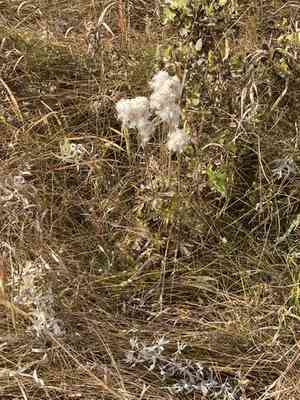
This enduring plant, recognized for its profoundly divided foliage and poppy-like flowers, flourishes with infrequent trimming. For cutleaf anemone, the most effective pruning takes place after flowering, usually in late spring or early summer, to eliminate faded blooms and stimulate a subsequent flowering period. Removing spent flowers boosts vitality by hindering seed formation. Periodically thinning out thick leaves improves air movement. Autumn pruning readies cutleaf anemone for its dormant phase by excising any lifeless or ailing parts, guaranteeing more robust regrowth in the spring. Trimming not only preserves its visual charm but also strengthens the plant's well-being.
What Are the Benefits of Pruning Cutleaf Anemone?
What Are the Benefits of Pruning Cutleaf Anemone?
Trimming cutleaf anemone promotes abundant flowers, revitalizes its development, and maintains its desired form, making it an essential practice for gardeners.
What Is the Best Time for Pruning Cutleaf Anemone?
What Is the Best Time for Pruning Cutleaf Anemone?
Trimming cutleaf anemone in early Spring before new growth begins is ideal for shaping the plant and encouraging vigorous development in the coming season. It's also the time to remove any dead or damaged foliage from the winter. Late Fall is another good period for pruning cutleaf anemone, after it has finished blooming and entered dormancy. This aligns with its growth cycle and helps prepare the plant for winter by removing spent flowers and any unhealthy growth, potentially reducing the risk of disease. Summer is not recommended for pruning cutleaf anemone because it is primarily a time for growth and flowering; pruning during this phase can stress the plant and reduce its blooming potential.
What Tools Do I Need to Prune Cutleaf Anemone?
Bypass Pruners
Perfect for making clean cuts without harming cutleaf anemone's delicate stems. They operate like scissors and are preferred for precision and minimal plant damage.
Gardening Shears
Suitable for shaping cutleaf anemone and trimming off spent flowers or dead foliage. The shorter blades provide control for such detailed tasks.
Gardening Gloves
Protects hands while handling cutleaf anemone, preventing irritation or injury from the plant or other garden debris.
Garden Scissors
Useful for deadheading cutleaf anemone's flowers and can precisely reach into dense growth without causing unnecessary damage to surrounding foliage.
How to Prune Cutleaf Anemone
Disinfect tools
Before starting, ensure all pruning tools are sanitized to prevent disease spread.
Remove diseased leaves
Carefully inspect cutleaf anemone for diseased leaves. Using precise pruning shears, remove any leaves showing disease signs, cutting at the base without harming healthy parts.
Trim withered leaves
Identify withered or dead leaves on cutleaf anemone. These can be gently plucked by hand or trimmed with shears, cutting close to the base without damaging new growth.
Deadhead flowers
Examine cutleaf anemone for withered flowers. Snip these off at the nearest healthy leaf or bud to encourage further blooms and vigorous growth.
Cleanup
Collect all removed diseased leaves, withered leaves, and dead flowers from around cutleaf anemone to prevent disease and pests from spreading in the garden.
Common Pruning Mistakes with Cutleaf Anemone
Over-pruning
Cutting back cutleaf anemone too severely can stress the plant, potentially reducing its vigor and blooming potential. Cutleaf anemone benefits from a lighter touch, as it needs sufficient foliage to gather energy through photosynthesis.
Improper cuts
Making jagged or tearing cuts can damage cutleaf anemone's stems, leading to disease and pest issues. Using dull tools can also crush the stem tissues, preventing proper healing.
Neglecting deadheading
Failing to remove spent blooms from cutleaf anemone not only detracts from the plant's appearance but can also inhibit further flowering. Regular deadheading encourages continued blooming.
Pruning for shape
Attempting to sculpt cutleaf anemone into a specific shape can be a mistake because it may alter its natural growth pattern and diminish its aesthetic appeal.
Incorrect disposal
Discarding pruned material near cutleaf anemone can attract pests and diseases. It is essential to clean up and dispose of plant debris properly.
Common Pruning Tips for Cutleaf Anemone
Sharp tools
Utilize sharp, clean pruning shears to make clean cuts on cutleaf anemone. This minimizes damage to the plant and promotes quicker healing.
Selective thinning
Thin out crowded stems of cutleaf anemone to improve air circulation, which helps prevent fungal diseases. Aim to remove only the necessary amount to preserve the plant's health.
Deadheading
Regularly remove spent flowers of cutleaf anemone to encourage more blooms. Cut back to the first set of healthy leaves below the dead flower.
Post-bloom pruning
Prune cutleaf anemone immediately after flowering to clean up the appearance of the plant and to remove any weak or dead stems, which will encourage healthy new growth.
Mind the base
When cutting back cutleaf anemone, avoid pruning too close to the ground or into the woody base, as this can be detrimental to the plant's recovery and future growth.



