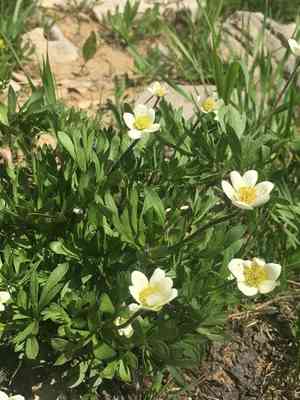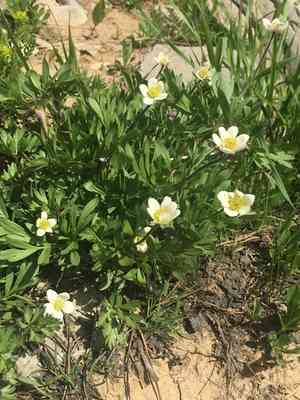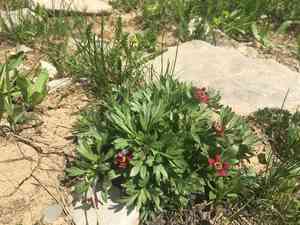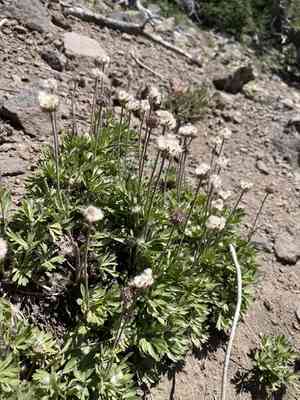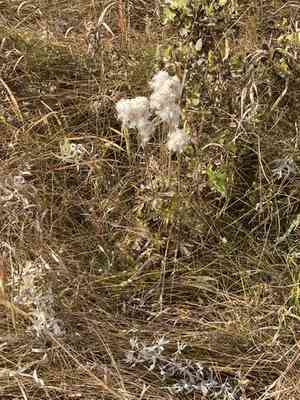
Cutleaf anemone(Anemone multifida)

Cutleaf anemone (Anemone multifida)

Also known as: Globe anemone, Pacific anemone

The cutleaf anemone (Anemone multifida) is a perennial plant native to North America, belonging to the buttercup family. It features deeply divided, fern-like leaves and blooms in late spring to early summer with delicate flowers that can be white, pink, or yellow. There are four subspecies of this plant.

Key Characteristics:
- Height: 12-18 inches.
- Spread: 12-15 inches.
- Habitat: Thrives in well-drained soils with sun to partial shade.
- Leaves: Deeply lobed for a distinctive cutleaf appearance.
- Flowers: Typically 1-2 inches in diameter.

Potential Hazards:
- Toxicity: Contains protoanemonin, making all parts of the plant toxic and capable of causing skin irritation and gastrointestinal problems if ingested.
- Invasiveness: Can be aggressive in some regions, potentially outcompeting native plants.

Handle cautiously and plant responsibly to prevent ecological issues.

Attributes of Cutleaf anemone

Lifespan
Perennial
Plant Type
Herb
Plant Height
15 cm to 51 cm
Spread
15 cm
Leaf Color
Green
Flower Size
2.5 cm to 5 cm
Flower Color
White Yellow Red

ForwardPlant - Identify plants with a snap

Identify and diagnose plants, get toxicity alerts, and explore safety guides for all types of fungi.

Try for Free

Images of Cutleaf anemone

Cutleaf anemone(Anemone multifida)

Quickly Identify Cutleaf anemone

1
Anemone multifida can be identified by its deeply divided leaves, fuzzy stems, and the star-shaped flowers that range in color from white to pink or yellow. The plant typically reaches a height of about 30-60 cm.

Scientific Classification of Cutleaf anemone

Phylum
Vascular plants
Class
Dicotyledons
Order
Ranunculales
Family
Buttercup
Genus
Windflowers
Species
Cutleaf anemone

Planting and Growing of Cutleaf anemone

Care Difficulty
Easy
Watering Schedule
Every 2 days
Sunlight Requirements
Full sun
Sunshine Duration
4-6 hours
Ideal Temperature
60-75℉
Soil Type
Potting Mix, Peat Mix
Soil pH
6.5-7.5
Fertilizer Type
Balanced
Pruning Season
Spring, Summer
Pruning Area
Branches, Leaves
Pruning Frequency
2 times a year
Repotting Season
Spring
Pot Type
Terracotta, Plastic

water icon How to Water Cutleaf anemone?

The watering for Anemone multifida should be thorough yet moderate. Aim for around 250 ml per session, ensuring that the top layer of soil is moist but never soggy. Water until slight drainage is seen, indicating even distribution.
What are the symptoms of an underwatered Cutleaf anemone?
What should I do if my Cutleaf anemone is not getting enough water?
What are the symptoms of an overwatered Cutleaf anemone?
How to save an overwatered Cutleaf anemone?

sunlight icon What Are the Sunlight Requirements for Cutleaf anemone?

Sunlight Requirements: Full sun, Partial sun
Duration of light: 4 to 6 hours
Partial sun delivers the right balance for Anemone multifida, promoting vigorous growth, vibrant blooms, and stronger stems, enhancing the plant's overall aesthetic and resilience.
How much sunlight does Anemone multifida need?
How to ensure ideal sunlight for Anemone multifida?
Benefits of optimal sunlight for Anemone multifida?
More About Sunlight Requirements Techniques

temperature icon What Is the Ideal Temperature Range for Cutleaf anemone?

Ideal Temperature: 60 ~ 75℉
The ideal temperature range for cultivating Anemone multifida is between 60 and 75 degrees Fahrenheit. This range ensures optimal growth and flowering by facilitating proper photosynthesis and metabolic activities. Maintaining this temperature helps in reducing plant stress and increases the likelihood of vibrant blooms. Deviating from this temperature can lead to dormancy or reduced flowering.

soil icon What Soil is Best for Cutleaf anemone?

Soil type: Sandy soil, Loam, Clay soil
Soil PH: 6.5 ~ 7.5
Anemone multifida requires well-drained soil to thrive. Proper drainage ensures that the roots receive adequate oxygen and prevents waterlogging, which can lead to root rot. This plant thrives best in nutrient-rich soil. A soil rich in organic matter, such as compost, provides the essential nutrients needed for robust growth and vibrant blooms. While the soil must be well-drained, it should also retain some moisture to keep the plant hydrated. Sand and clay balanced soil can hold adequate moisture while allowing for drainage.

fertilize icon How to Fertilize Cutleaf anemone?

Fertilizer type: Balanced
For Anemone multifida, the ideal fertilizer amount should be moderate. Use a balanced 10-10-10 NPK fertilizer, applying approximately 1 tablespoon per plant. Ensure that the fertilizer is well-diluted if using liquid form, and avoid direct contact with the foliage. This will help prevent nutrient burns.

prune icon How to Prune Cutleaf anemone?

Pruning Time: Spring, Summer, Autumn
Begin by cutting back old flower stems just above a healthy leaf node. Trim about one-third of the plant's overall height to encourage denser foliage. Always cut at a 45-degree angle to promote optimal healing. For Anemone multifida, removing older growth at the base can rejuvenate the plant and enhance air circulation. It is best to prune in the morning or late afternoon when the sun is not at its peak to prevent undue stress on the plant. After pruning, you can add a layer of mulch around the plant base to retain soil moisture and improve root health. Ensure the plant receives adequate water and nutrients following pruning sessions for sustained vigor. More About Pruning Techniques

propagate icon How to Propagate Cutleaf anemone plant?

Propagate Time: Spring, Early summer
1
Harvest seeds from mature Anemone multifida plants when seed heads turn brown and dry. Carefully remove the seeds and store them in a cool, dry place until ready to plant.
2
Fill seed trays with a well-draining seed-starting mix. Sow the seeds on the surface, lightly pressing them into the soil. Keep the soil moist but not waterlogged and place the trays in a warm, well-lit area.
3
In spring, dig up mature plants and gently separate the roots using a sharp knife or spade. Replant the divisions immediately in prepared soil, spacing them adequately to allow for growth.
More About Propagating Techniques

repot icon How to Repot Cutleaf anemone plant?

Repotting frequency: Every 2-3 years
1
Repotting Anemone multifida is essential when you notice the roots filling the pot, causing them to circle at the bottom or emerge from drainage holes. This is a sign that the plant needs more space for growth. Additionally, if the soil appears overly compacted or waterlogged, it's time to refresh your plant's home.
2
Select a pot that is one size larger than the current one. This ensures that the plant has enough space to grow without feeling cramped. The pot should have good drainage holes to prevent root rot. A terracotta pot is an excellent choice as it allows for air circulation, helping the roots breathe.
3
Choose a well-draining, nutrient-rich soil for repotting Anemone multifida. Incorporate organic matter like compost to enhance soil fertility. This type of soil retains essential nutrients, promotes healthy growth, and prevents water stagnation, reducing the risk of root rot.

ForwardPlant - Identify plants with a snap

Find the best spots for them to optimize their health, simply using your phone.

Try for Free

Toxicity of Cutleaf anemone

Is Cutleaf anemone toxic to humans?

Every part of the cutleaf anemone, which belongs to the buttercup family, possesses mild toxicity when consumed in its raw form. The plant contains a harmful substance named ranunculin. When the plant is cut or chewed, this compound is transformed into glucose and the more dangerous protoanemonin. Contact with a compromised plant may lead to blisters, rashes, and itching sensations. Ingesting the plant can lead to symptoms such as nausea, vomiting, dizziness, as well as hepatitis and jaundice. Nevertheless, the consequences of consuming small amounts of cutleaf anemone are generally mild, making it unlikely for an individual to accidentally consume a sufficient quantity of the plant to lead to severe health issues.

Identify toxic plants for your safety

Learn which plants are harmful to you and your pets, and make informed choices for a safer home!

Try for Free
WARNING
The judgment on toxicity and danger is for reference only. We DO NOT GUARANTEE any accuracy of such judgment. Therefore, you SHALL NOT rely on such judgment. It is IMPORTANT TO SEEK PROFESSIONAL ADVICE in advance when necessary.
More About Toxic Techniques