How to Propagate Cutleaf anemone?
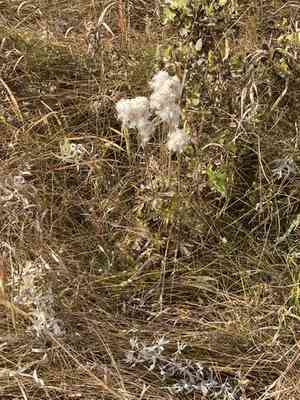
Cutleaf anemone flourishes with particular propagation techniques. For effective growth, plant the seeds directly into a rich, well-draining substrate. Keep the soil damp but not saturated to encourage ideal seed sprouting. To enhance the likelihood of successful propagation, it is recommended to utilize fresh seeds, as they exhibit superior germination rates compared to those that have been stored. Consistent observation for pests and illnesses during the initial growth phases will guarantee the robust development of young plants.
What Is the Best Time To Propagate Cutleaf Anemone?
Propagation Type
Sowing
Propagation Season
Spring
What Tools Are Used in Cutleaf Anemone Propagation?
Seed trays
Seed trays offer a controlled setting for the germination of cutleaf anemone seeds. They can be filled with a well-draining soil mix, vital for cutleaf anemone, ensuring optimal moisture without waterlogging. This helps prevent seed rot and promotes healthier germination and initial growth.
Fine-mist spray bottle
A fine-mist spray bottle is perfect for gently moistening cutleaf anemone seeds without disturbing them or causing soil erosion, which could expose or dislodge small seeds. The fine mist provides delicate water application, keeping seeds damp for better germination under controlled humidity.
Heat mat
A heat mat is especially useful for propagating cutleaf anemone in colder climates or during cooler times of the year. Cutleaf anemone's seeds require consistent warmth to begin germination, and a heat mat helps maintain a stable temperature, boosting germination rates and promoting uniform seedling growth.
Grow lights
Grow lights are beneficial for ensuring cutleaf anemone seedlings receive adequate light, particularly when natural sunlight is insufficient. Proper lighting is essential for developing strong, healthy seedlings, as it supports photosynthesis, crucial during early growth stages.
Vermiculite or Perlite
Adding vermiculite or perlite to the soil mix improves aeration and drainage, properties essential for cutleaf anemone seeds to germinate successfully. These amendments help create a light, airy soil structure that allows roots to establish and grow without becoming waterlogged.
How to Propagate Cutleaf Anemone?
Propagation Type
Easy
How to Care for Your Newly Propagated Cutleaf Anemone?
How to Care for Your Newly Propagated Cutleaf Anemone?
After propagation, continue to care for cutleaf anemone by keeping the soil moist and providing partial shade, especially during the hottest parts of the day. As the plants mature, reduce watering frequency and protect them from extreme temperatures. Removing spent blooms can encourage more flowers. Gradually acclimate the plants to normal outdoor conditions if started indoors.
Common Mistakes to Avoid When Propagating Cutleaf Anemone
Overwatering
Excessive watering can lead to root rot, which is harmful to cutleaf anemone. These plants prefer well-drained soils, and too much moisture can hinder their root development.
Using non-sterile tools
Using unsterilized tools can introduce pathogens to cutleaf anemone, potentially causing infections or diseases during the delicate propagation process.
Deep planting
Planting cutleaf anemone's divisions or seeds too deeply can impede their ability to sprout and establish. This species requires light for optimal germination and growth.
Tips For Propagating Cutleaf Anemone
Ensure good drainage
Plant cutleaf anemone in a well-draining medium to prevent waterlogging, which is vital for healthy root development and overall plant vigor.
Use sharp, clean tools
When dividing cutleaf anemone, always use sharp and sterilized tools to make clean cuts. This helps prevent disease transmission and promotes quicker healing and growth.
Moderate sunlight exposure
Provide cutleaf anemone with adequate but not excessive sunlight. Ideal conditions involve partial shade, as too much sunlight can scorch the leaves, while too little can stunt growth.



