The Hidden Danger in Your Home? Unmasking the Toxicity of the Cutleaf anemone Plant.
1
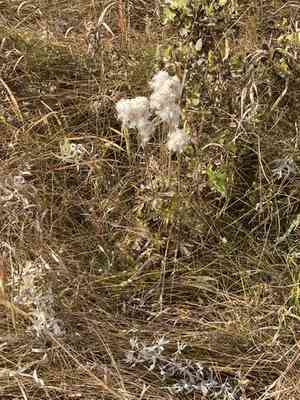
Every component of the cutleaf anemone is slightly poisonous if consumed uncooked.
2
Injured cutleaf anemone plants emit protoanemonin, leading to blisters, rashes, and itching upon skin contact.
3
Consuming small amounts of cutleaf anemone typically leads to minor symptoms and is improbable to cause severe sickness.
Is Cutleaf anemone harmful to people?
Every part of the cutleaf anemone, a plant in the buttercup family, is slightly poisonous if consumed raw. The plant contains ranunculin, a toxic substance. When the plant is cut or chewed, this compound becomes harmful, converting into glucose and the poisonous protoanemonin. Touching a damaged plant can lead to blisters, skin irritation, and itchiness. Ingesting the plant may result in nausea, throwing up, lightheadedness, liver inflammation, and yellowing of the skin. Nevertheless, consuming small amounts of cutleaf anemone typically has minor effects, making it unlikely for someone to accidentally eat enough to cause severe sickness.



