How to Transplant Candle anemone?
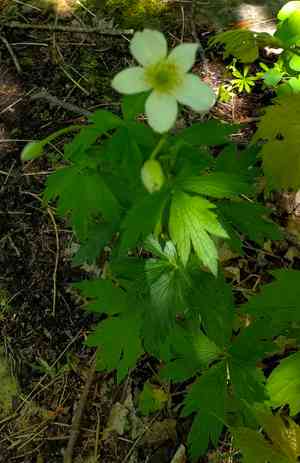
The most favorable period for relocating candle anemone is the initial mildness of early to mid-spring, which facilitates strong root development. Choose a location featuring soil that drains effectively and offers partial shade. Careful management of the roots throughout the procedure enhances the likelihood of success.
What Preparations are Needed Before Transplanting Candle Anemone?
What is the Ideal Time for Transplanting Candle Anemone?
The optimal period for relocating candle anemone is when spring revitalizes the garden â either early or mid-season. This time offers mild temperatures and increased moisture, which candle anemone needs, promoting root development before summer heat. Moving candle anemone during this renewal phase allows it to benefit from the nurturing conditions, fostering stronger growth and vitality, thereby enhancing its potential in your garden.
How Much Space Should You Leave Between Candle Anemone Plants?
When relocating, ensure ample room for candle anemone to flourish. Aim for a spacing of approximately 1-2 feet (30-60 cm) between each plant. This guarantees healthy growth without excessive crowding.
What is the Best Soil Mix for Candle Anemone Transplanting?
Candle anemone will thrive best in rich, well-drained soil. Begin by incorporating compost or a balanced garden mix into your soil. Then, apply a foundational fertilizer with trace nutrients; this will establish a strong base for your plants to grow robustly and healthily.
Where Should You Relocate Your Candle Anemone?
Candle anemone enjoys sunlight and can perform well in various light conditions. Therefore, select a location in your garden that receives a moderate amount of sun. However, be sure to shield it from intense midday sun, which could harm the plant.
What Equipments Should You Prepare Before Transplantation Candle Anemone?
Garden Spade
Crucial for excavating holes for relocation and for extracting the candle anemone plant from its initial spot.
Gardening Gloves
To safeguard your hands while handling soil and plants.
Trowel
For careful digging around the roots during plant removal and for backfilling the transplant hole.
Watering Can
To hydrate your plant before and after moving it.
Organic Mulch
Spread over the soil after transplanting to help retain moisture and suppress weed growth.
Wheelbarrow or Bucket
To move the plant from its original site to the new one without causing damage.
How Do You Remove Candle Anemone from the Soil?
How Do You Remove Candle Anemone from the Soil?
From Ground: Start by watering the candle anemone plant to moisten the soil. This simplifies the removal process and reduces stress on the plant. Dig a wide trench around the plant with your garden spade, ensuring the plant's root ball remains intact. Use the trowel to carefully work beneath the root ball and lift the plant from its original location.From Pot: If the candle anemone is in a pot, water it thoroughly, then turn the pot on its side and gently ease the plant out, being careful not to pull hard on the stems. If the plant resists, you might need to break the pot.From Seedling Tray: Use a trowel to carefully separate the candle anemone from other seedlings. Gently grasp the candle anemone by its leaves, not the stem, and pull very softly. Use a trowel to remove the accompanying soil and roots, keeping as much soil around the roots as possible when moving.
Step-by-Step Guide for Transplanting Candle Anemone
Preparation
Don your gardening gloves.
Dig Hole
Use a garden spade to excavate a hole in the new location. The hole should be 2-3 times wider than the candle anemone's root ball and equally deep.
Transplant
Gently place the candle anemone into the hole, ensuring it is not planted deeper than it was in its previous spot.
Backfill
Use the trowel to refill the hole with soil, working it around the roots.
Water
Water the candle anemone immediately after transplanting. Ensure the water fully saturates the root zone.
Mulch
Apply a layer of organic mulch around the candle anemone, keeping it a few inches away from the stem to prevent rot.
How Do You Care For Candle Anemone After Transplanting?
Watering
Water the candle anemone generously for the initial days following relocation. Afterward, irrigate the plant when the top 1 inch of soil feels dry.
Mulching
Replenish mulch around the candle anemone as it decomposes to maintain a 2- to 3-inch layer. This helps conserve water and deter weeds.
Pruning
Remove any dead or dying foliage from the candle anemone to encourage new growth. Be careful not to cut into healthy tissue.
Monitoring
Watch for signs of transplant shock, such as wilting, yellowing, and leaf drop. If observed, increase watering and trim back affected foliage. The plant should recover with time and proper care.
Troubleshooting Common Issues with Candle Anemone Transplantation.
What's the best timing for transplanting candle anemone?
For optimal results, I suggest relocating candle anemone between seasons 1 and 2 (S1-S2), during the plant's dormant phase.
How much space should I leave between each candle anemone when transplanting?
Once ready to transplant, ensure each candle anemone has a generous 1-2 feet (30-60 cm) between its neighbors. This is crucial for growth and health.
What sort of soil is ideal for candle anemone?
Candle anemone requires well-draining soil to prevent waterlogging. Incorporating compost or organic matter can improve soil texture and nutrient content.
How deep should I plant candle anemone when transplanting?
You should plant candle anemone at the same depth it was growing previously. This will aid in quick establishment and healthy growth.
What care steps do I need to take after transplanting candle anemone?
After relocating candle anemone, ensure regular watering but avoid over-watering. Monitor it frequently to detect any signs of pests or disease early.
How much sun does candle anemone need after transplanting?
Candle anemone thrives best with full sun exposure, so place it in a spot where it will receive ample light daily.
How often should I water candle anemone after transplanting?
Watering frequency depends on the environment, but typically, once a week should suffice. Always check the soil moisture level; it should not be saturated.
What if I see yellow leaves on candle anemone after transplanting?
Yellow leaves might indicate overwatering, poor drainage, or a potential nutrient deficiency. Adjust watering, check drainage, or consider using a balanced fertilizer.
How can I protect newly transplanted candle anemone from pests and diseases?
Implement a regular schedule of pest and disease inspections. Respond promptly to suspicious indicators using appropriate organic or chemical treatments.
Can I transplant candle anemone during a frost?
Frost can harm candle anemone. It's advisable to transplant during S1-S2, outside of typical frost dates, for the plant's best chance of survival.



