The Candle anemone Plant Advantage: Maximizing Home and Office Appeal and Wellness
1
Candle anemone is well-known for drawing in helpful insects.
2
The root system of Candle anemone aids in stopping soil degradation.
3
Candle anemone adds to the variety of life in prairies and open fields.
What Are the Primary Environmental Benefits of Candle anemone?
Attraction of Beneficial Insects
A key advantage of Candle anemone is its capacity to draw in various helpful insects. These include pollinators such as bees and butterflies, vital for many plants' reproduction. Furthermore, Candle anemone attracts predatory insects that aid in managing pest populations. The existence of these beneficial insects supports the ecosystem's overall health, fostering biodiversity and lessening the need for chemical pesticides.
Soil Erosion Prevention
The root structure of Candle anemone is particularly effective at preventing soil degradation. Its deep, fibrous roots help stabilize the earth, reducing erosion risk from wind and water. This makes Candle anemone an excellent option for planting on inclines and in areas prone to erosion. By anchoring the soil, Candle anemone not only aids in maintaining soil vitality but also supports the growth of nearby plants.
How Does Candle anemone Contribute to Biodiversity?
Supporting Native Wildlife
Candle anemone plays a significant role in sustaining local wildlife, including birds, insects, and small mammals. The plant offers crucial habitat and food sources for these creatures, promoting a balanced and flourishing ecosystem. For instance, Candle anemone seeds can be a vital food source for birds, while its foliage provides shelter for various small mammals and insects. By cultivating Candle anemone, you contribute to the preservation of native species and your area's overall biodiversity.
Enhancing Prairie and Grassland Ecosystems
Candle anemone is indigenous to prairies and grasslands, where it is crucial for maintaining ecological equilibrium. Its presence helps sustain the unique plant communities and the diverse animal life these ecosystems support. By incorporating Candle anemone into restoration efforts or your garden, you can help revive and protect these essential habitats. The plant's ability to flourish in these environments makes it an invaluable component of prairie and grassland ecosystem management.
What Are the Practical Uses of Candle anemone?
Gardening and Landscaping
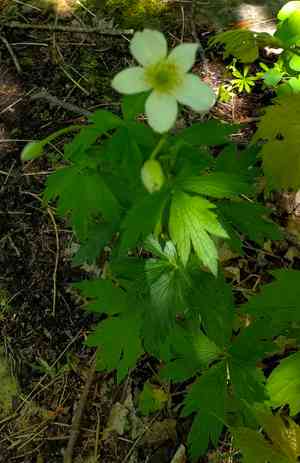
Beyond its ecological advantages, Candle anemone is also valued in gardening and landscaping for its aesthetic qualities. The plant's distinctive appearance, marked by its cylindrical seed heads, adds visual appeal to gardens and natural settings. It's also relatively low-maintenance, making it an ideal choice for gardeners seeking resilient, attractive plants that require minimal upkeep. Candle anemone can be utilized in various landscape designs, including native plant gardens, wildflower meadows, and decorative borders.
Restoration and Conservation Projects
Candle anemone is frequently employed in restoration and conservation initiatives due to its resilience and ecological benefits. Its capacity to thrive in diverse soil types and conditions makes it a versatile option for rehabilitating degraded lands. Projects focused on erosion control, habitat restoration, and the reestablishment of native plant communities often include Candle anemone due to its proven effectiveness and advantages. By incorporating Candle anemone into these projects, conservationists can foster long-term ecological health and stability.



