How to Prune Candle anemone?
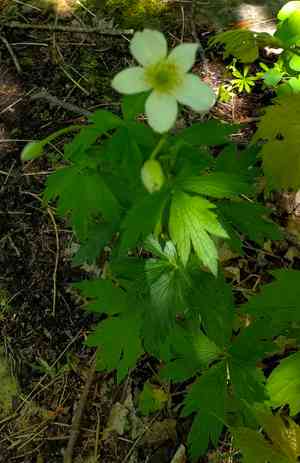
This enduring plant, recognized for its elevated, tubular inflorescences, flourishes with infrequent trimming. For candle anemone, snip off faded blossoms to foster a neat look and possible subsequent flowering. Perform pruning in late spring to stimulate robust development and in summer following blooming to sustain the plant's vitality. Removing spent blooms is also advantageous, improving the plant's visual appeal and deterring undesirable self-propagation. Trimming ought to be gentle, concentrating on eliminating lifeless or injured stalks to cultivate a sturdy specimen.
What Are the Benefits of Pruning Candle Anemone?
What Are the Benefits of Pruning Candle Anemone?
Trimming candle anemone encourages robust development and maintains its form. Careful reduction manages size, stimulates fresh new leaves, and can stop the spread of illness, ensuring a strong stand of candle anemone.
What Is the Best Time for Pruning Candle Anemone?
What Is the Best Time for Pruning Candle Anemone?
Trimming candle anemone in Late Spring, once frost danger has passed, and Early Summer, as the plant begins active growth, is optimal. This timing prevents harm to new growth or open wounds during harsh winter, which can lead to disease or frost damage. Late Spring pruning allows gardeners to shape candle anemone as it enters its rapid growth phase, promoting denser foliage and a more desirable form. Early Summer pruning, after initial spring growth, can help control size and remove any spent blooms from spring, encouraging a potential second bloom in summer or early fall, and providing a neater look during the growing season. These periods align with the natural life cycle of candle anemone, leading to healthier, more vigorous plants better prepared for dormancy in the fall.
What Tools Do I Need to Prune Candle Anemone?
Bypass Pruners
For precise, clean cuts on candle anemone's slender, delicate stems without crushing plant tissues, improving the plant's recovery and overall vitality.
Garden Scissors
Candle anemone may have complex growth patterns requiring intricate cuts, which garden scissors can manage due to their finer blades and control during trimming.
Hand Shears
When candle anemone needs shaping, hand shears can be used to snip multiple stems simultaneously while providing a clean cut, crucial for maintaining healthy foliage.
How to Prune Candle Anemone
Clean tools
Before starting the trimming process for candle anemone, ensure all pruning tools are clean and sanitized to prevent the spread of disease.
Remove diseased leaves
Carefully cut away any leaves showing signs of illness, using sharp shears to make clean cuts without harming the surrounding healthy tissue of candle anemone.
Remove withered leaves
Identify and remove dried or dead leaves by cutting them at the base where they meet the stem, reducing wasted energy and encouraging new growth in candle anemone.
Prune diseased stems
Examine candle anemone for any diseased stems and cut them back to healthy tissue, ensuring cuts are made at a 45-degree angle to promote healing and prevent water accumulation.
General cleanup
Complete the trimming process by removing all cuttings and debris from around candle anemone to maintain tidiness and deter pests or diseases from settling near the plant.
Common Pruning Mistakes with Candle Anemone
Overpruning
Cutting back candle anemone too aggressively can weaken the plant, as it relies on its foliage to generate energy through photosynthesis. Excessive pruning may lead to reduced plant vigor and fewer flowers.
Improper Cutting Technique
Using dull or dirty pruning tools can damage candle anemone stems, resulting in jagged cuts that may invite disease. Clean, sharp, and precise cuts are essential for the plant's health.
Neglecting Deadheading
Failing to remove spent blooms from candle anemone can result in wasted energy that could otherwise be used for new growth or next season's blooms. Deadheading encourages further flowering and can prevent self-seeding if not desired.
Ignoring Plant Structure
Random or uninformed cutting without considering the natural form of candle anemone can lead to an unattractive appearance and potentially hinder its growth pattern.
Common Pruning Tips for Candle Anemone
Use the Right Tools
Employ clean, sharp pruning shears or scissors to make clean cuts on candle anemone, which will heal more quickly and reduce the risk of disease.
Focus on Dead or Damaged Stems
Remove dead, diseased, or damaged stems to improve air circulation, focusing on the health of candle anemone rather than just its appearance.
Deadheading
After candle anemone has bloomed, snip off the spent flowers at their base. This process encourages another bloom cycle and tidies up the plant.
Thinning Out
Thin out crowded areas by removing some stems down to the base. This promotes better air circulation and allows more light to reach the center of candle anemone, enhancing its overall health.
Pruning for Shape
Maintain the natural shape of candle anemone when pruning. Prune stems at varying lengths to create a more natural appearance rather than a uniformly cut look.



