How to Propagate Candle anemone?
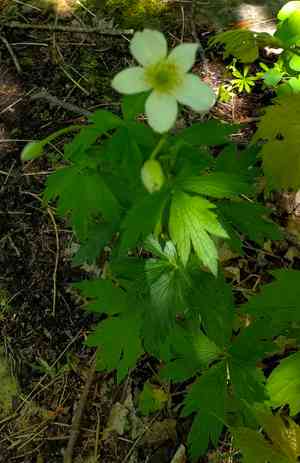
Candle anemone flourishes when reproduced by seeding. To achieve the best outcomes, it is advantageous to verify that the seeds are new and planted in a substrate that drains effectively. A thin layer of earth can assist in preserving the required hydration without leading to oversaturation, a condition to which candle anemone is especially susceptible. Careful manipulation during planting aids in safeguarding the fragile root systems and fosters more robust development.
Optimal Time for Candle Anemone Propagation
Propagation Method
Seeding
Propagation Period
Spring
Essential Tools for Candle Anemone Propagation
Seed trays
Seed trays are crucial for planting candle anemone seeds. They enable consistent sowing and efficient space utilization. Seed trays aid in maintaining ideal conditions by ensuring each seed has sufficient soil for anchorage, access to moisture, and room to grow without overcrowding. This is especially important for candle anemone to prevent damping-off diseases that can occur in dense conditions.
Fine-grained, sterile potting mix
A sterile potting mix prevents pathogen growth, which is vital for the delicate initial stages of candle anemone seedlings. A fine-grained texture ensures close contact with seeds, promoting better moisture retention and gas exchange, both critical for seed germination.
Misting bottle
A misting bottle is useful for gently watering candle anemone seeds. It delivers moisture in a controlled manner, preventing seed displacement that can happen with heavier watering methods. Proper hydration is essential during germination to activate the metabolic processes needed for sprouting.
Grow lights
If starting seeds indoors, grow lights can provide the consistent and adequate illumination that candle anemone seeds need for germination and initial development. They ensure seedlings receive enough light, which is particularly beneficial during seasons or in areas where natural sunlight is insufficient.
Thermometer and hygrometer
These instruments monitor temperature and humidity levels around candle anemone seedlings. Maintaining the correct environment is crucial for germination and to prevent issues like rot or fungal infections. Consistent conditions help produce robust seedlings.
How to Propagate Candle Anemone?
Propagation Type
Simple
Caring for Your Newly Propagated Candle Anemone
Caring for Your Newly Propagated Candle Anemone
After germination, continue to water candle anemone seedlings regularly, allowing the soil to dry slightly between waterings. As the plants mature, gradually acclimate them to more direct sunlight. Candle anemone prefers well-drained soil and partial to full sun. Regularly check for pests like aphids and treat as needed. In the first winter, apply a light mulch to protect the young plants. Once established, candle anemone is relatively low maintenance, requiring only occasional watering and annual mulching to support healthy growth.
Common Mistakes to Avoid When Propagating Candle Anemone
Overwatering
Providing too much water to candle anemone's roots can lead to root rot, a condition harmful to the plant's overall health and its ability to establish new growth. Excess soil moisture can deprive roots of necessary oxygen.
Deep planting
Planting candle anemone seeds too deeply in the soil can impede germination or seedling emergence. Seeds require the right balance of moisture, warmth, and air to sprout effectively.
Neglecting root division care
When dividing candle anemone's roots for propagation, rough handling or improper separation can damage the delicate root structure, leading to poor recovery and growth after replanting.
Tips For Propagating Candle Anemone
Soil preparation
Using well-draining soil will help manage moisture levels around candle anemone's roots, reducing the risk of root rot. A mixture of loam, sand, and organic compost is ideal for maintaining a healthy root environment.
Shallow seeding
Sow candle anemone seeds shallowly, just beneath the soil surface, which allows for adequate light exposure and easier sprouting. This promotes effective germination and healthy early growth.
Gentle root division
Carefully divide candle anemone's roots during its dormant period using a sharp, clean tool. Each division should have several active growth points to ensure successful propagation and healthy future growth.



