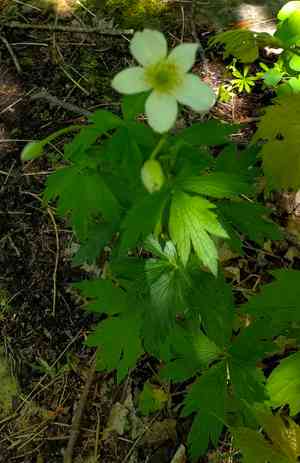
Candle anemone (Anemone cylindrica)
Also known as: Cylindrical thimbleweed
Another name for the candle anemone (Anemone cylindrica) is long-headed thimbleweed. This plant is native to the eastern and central regions of the United States, and it features distinctive, thimble-shaped flowers. All parts of the long-headed thimbleweed are toxic if ingested, and contact with the plant can lead to skin irritation.
In This Article
Attributes of Candle anemone
Lifespan
Perennial
Plant Type
Herb
Plant Height
30 cm to 61 cm
Spread
23 cm to 45 cm
Leaf Color
Green
Flower Size
2.5 cm
Flower Color
White Yellow Green
Images of Candle anemone
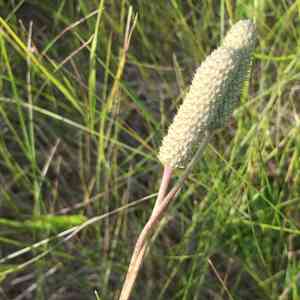
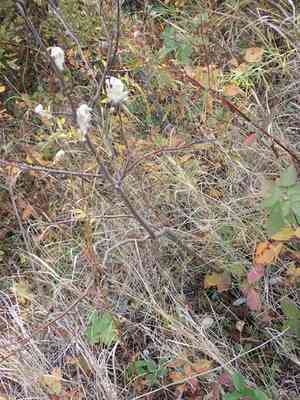
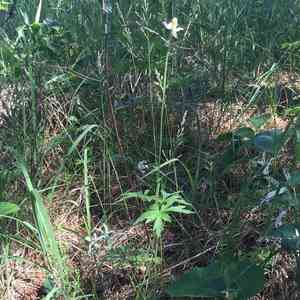
Quickly Identify Candle anemone
1
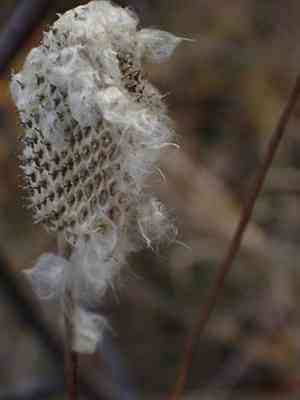
Anemone cylindrica can be identified by its upright, unbranched stems that reach heights of 1.5 to 3 feet. The leaves are deeply divided and have a lacy appearance. The flowers have 5-7 white to greenish petals surrounding a distinctive cylindrical seed head, which resembles a thimble.
Scientific Classification of Candle anemone
Phylum
Vascular plants
Class
Dicotyledons
Order
Ranunculales
Family
Buttercup
Genus
Windflowers
Species
Candle anemone
Planting and Growing of Candle anemone
Care Difficulty
Easy
Watering Schedule
Every 2 days
Sunlight Requirements
Full sun
Sunshine Duration
4-8 hours
Ideal Temperature
60-75℉
Soil Type
Potting Mix, Peat Mix
Soil pH
6.5-7.5
Fertilizer Type
Balanced
Pruning Season
Spring, Summer
Pruning Area
Branches, Leaves
Pruning Frequency
2 times a year
Repotting Season
Spring
Pot Type
Plastic, Ceramic
 How to Water Candle anemone?
Anemone cylindrica typically requires about 500 ml of water during each session. Ensure the soil is evenly moist but not waterlogged. It should feel slightly damp to the touch, similar to a well-wrung-out sponge. The goal is to provide enough moisture to just reach the roots without excess pooling at the bottom of the pot.
What are the symptoms of an underwatered Candle anemone?
›
What should I do if my Candle anemone is not getting enough water?
›
What are the symptoms of an overwatered Candle anemone?
›
How to save an overwatered Candle anemone?
›
 What Are the Sunlight Requirements for Candle anemone?
The ideal exposure involves full to partial sun, offering balanced energy for robust growth. This ensures flowering and strong leaf development, essential for Anemone cylindrica's health and aesthetics.
More About Sunlight Requirements Techniques→
Optimal Positioning
›
Using Shade Cloth
›
Strategic Planting
›
 What Is the Ideal Temperature Range for Candle anemone?
The ideal temperature range for Anemone cylindrica to thrive is between 60°F and 75°F. At these temperatures, the plant can undertake optimal photosynthesis and metabolic activities, leading to healthy growth and blooming.
 What Soil is Best for Candle anemone?
Anemone cylindrica thrives best in well-drained soil conditions, crucial to avoid waterlogging which can cause root rot. Proper drainage ensures healthy root development and overall plant vigor. This plant requires soil rich in organic matter, which aids in providing the essential nutrients for its growth. A nutrient-filled soil boosts blooming and enhances the leaf texture adorably. While rich soil is beneficial, overly fertile soil is unnecessary and might promote excessive foliage over flowering. Balancing fertility can help maintain a good bloom-to-foliage ratio.
 How to Fertilize Candle anemone?
When fertilizing Anemone cylindrica, it's essential to use a balanced amount of fertilizer, typically around half the recommended dose on the packaging. You should aim to dilute a liquid fertilizer to half strength to prevent over-fertilization and promote healthy growth.
 How to Prune Candle anemone?
Begin by inspecting the plant for any dead or damaged stems. Cut these back to the healthy part of the stem. Remove spent flowers to promote further blooming. Trim overgrown branches to maintain the desired shape and encourage new growth. Prune Anemone cylindrica early in the growing season, ideally in spring or summer. This timing helps minimize stress on the plant and encourages vigorous regrowth as it enters the more active phases of its life cycle.
More About Pruning Techniques→
 How to Propagate Candle anemone plant?
1
Begin by sowing seeds in a seed tray filled with moist potting soil. Keep the soil consistently moist, but not waterlogged, and place the tray in a warm location with ample indirect sunlight.
2
To propagate by division, carefully dig up the mature plant during early spring. Using a garden knife, divide the root clump into smaller sections, ensuring each section has viable roots.
3
Once seedlings have two sets of true leaves, they can be transplanted into individual pots. Gradually acclimate them to outdoor conditions before planting in the garden.
 How to Repot Candle anemone plant?
1
Anemone cylindrica shows signs of needing repotting when its roots start to emerge from drainage holes or the plant exhibits stunted growth. The ideal time to repot is during spring or autumn when the plant is not in its active blooming phase, ensuring minimal stress.
2
Select a pot with a diameter 2-3 inches larger than the current pot for Anemone cylindrica to allow room for growth. Ensure it has ample drainage holes to prevent waterlogging, which can lead to root rot. A pot with a broader base is beneficial for stability, as this plant can become top-heavy.
3
Choose a well-draining loamy soil for repotting Anemone cylindrica. It should retain some moisture without becoming waterlogged. Incorporating organic matter such as compost can enhance soil fertility, providing essential nutrients for the plant’s growth, and improving aeration.
Toxicity
Ingestion
WARNING
The judgment on toxicity and danger is for reference only. We DO NOT GUARANTEE any accuracy of such judgment. Therefore, you SHALL NOT rely on such judgment. It is IMPORTANT TO SEEK PROFESSIONAL ADVICE in advance when necessary.
Learn More About Candle anemone Diseases
Anthracnose
Bacterial Leaf Spot
Bacterial Soft Rot
Bacterial Wilt
Black Spot
Chemical Injury
Crown Gall
Cyst Nematode
Damping-off
Downy Mildew
Drought Stress
Fusarium Wilt
Gray Mold
Leaf Curl
Leaf Spot
Mosaic
Nutrient Deficiency
Nutrient Toxicity
Powdery Mildew
Root Rot
Root-knot Nematode
Rusts
Sooty Mold
Spider Mites
Temperature Stress
Thrips Damage
White Mold



