How to Transplant Palm-leaf marshmallow?
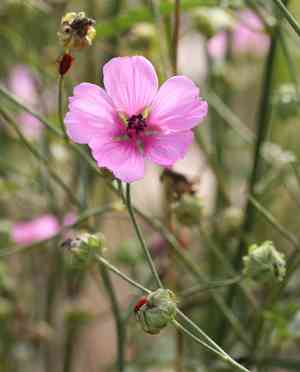
The ideal period for transplanting palm-leaf marshmallow spans from late spring through mid-summer, guaranteeing warm ground conditions and robust root development. Select sunny locations with good drainage and minimize disturbance to the plant during this operation.
What Preparations are Needed Before Transplanting Palm-leaf Marshmallow?
What is the Ideal Time for Transplanting Palm-leaf Marshmallow?
The best time to move palm-leaf marshmallow is during the lively period of late spring through the gentle warmth of midsummer. This timeframe promotes strong root development and recovery, increasing the chances for palm-leaf marshmallow to thrive in its new spot. Choosing this season aligns with palm-leaf marshmallow's natural growth cycle, ensuring the transplant settles well with optimal weather. Furthermore, mild temperatures and consistent daylight support palm-leaf marshmallow's post-transplantation needs, encouraging a successful shift into future growth stages.
How Much Space Should You Leave Between Palm-leaf Marshmallow Plants?
When preparing a new home for palm-leaf marshmallow, aim for ample room. Provide 24-36 inches (61-91 cm) between each plant. This will allow your palm-leaf marshmallow to flourish and expand its beautiful foliage.
What is the Best Soil Mix for Palm-leaf Marshmallow Transplanting?
For your palm-leaf marshmallow, prepare a well-draining soil mix rich in organic matter as a comfortable bed. A mild starter fertilizer will offer your plant a warm welcome and help it settle into its new location. Consider it a housewarming gift for your palm-leaf marshmallow.
Where Should You Relocate Your Palm-leaf Marshmallow?
Select a location for your palm-leaf marshmallow that receives full sun to partial shade. They appreciate a good balance of soft morning light and some afternoon protection. Envision a spot where you'd enjoy reading a book—that's the perfect place for your palm-leaf marshmallow.
What Equipments Should You Prepare Before Transplantation Palm-leaf Marshmallow?
Gardening Gloves
To shield your hands while handling soil and plants.
Shovel or Spade
For digging and lifting the palm-leaf marshmallow plant from its original site.
Garden Trowel
Useful for smaller or more precise digging tasks, especially in confined areas.
Watering Can or Hose
To hydrate the palm-leaf marshmallow plant before and after relocation.
Wheelbarrow
For moving the palm-leaf marshmallow plant and soil if necessary.
Pruning Shears
To trim any damaged roots or stems prior to transplanting.
Garden Fork
To loosen the soil around the plant's root ball in the ground.
Soil Amendment
To enrich the soil in the new spot if required (specific type based on initial advice).
Mulch
To help maintain soil moisture after transplanting.
How Do You Remove Palm-leaf Marshmallow from the Soil?
How Do You Remove Palm-leaf Marshmallow from the Soil?
From Ground: Water the palm-leaf marshmallow plant to moisten the soil. Use a garden fork or shovel to dig a wide circle around the plant, minimizing root damage. Gently work the tool under the root ball and carefully lift the plant from the ground.From Pot: Thoroughly water the palm-leaf marshmallow plant, allowing water to drain through the holes. Turn the pot sideways, support the plant with one hand, and gently tap or squeeze the pot to loosen the root ball. Carefully slide the plant out of the pot.From Seedling Tray: Water the seedlings until the soil is damp. Use a trowel or your fingers to gently lift individual palm-leaf marshmallow seedlings, ensuring a clump of soil remains attached to the roots for protection.
Step-by-Step Guide for Transplanting Palm-leaf Marshmallow
Prepare the New Location
Dig a hole in the ground for the palm-leaf marshmallow plant, making it twice as wide and as deep as the root ball.
Root Ball Care
Trim any damaged or overly long roots with pruning shears to encourage new growth.
Placing the Plant
Carefully position the palm-leaf marshmallow plant in the center of the new hole. Ensure it's planted at the same depth as its previous growing location.
Backfilling Soil
Gradually refill the hole with soil, gently tamping it down to remove air pockets and ensure firm contact between the roots and the soil.
Watering
Water the palm-leaf marshmallow plant generously immediately after planting to settle the soil and hydrate the roots.
Apply Mulch
Spread a layer of mulch around the base of the palm-leaf marshmallow plant to help retain soil moisture and regulate soil temperature.
How Do You Care For Palm-leaf Marshmallow After Transplanting?
Watering
Ensure the palm-leaf marshmallow plant receives adequate water, especially during the initial weeks, to promote root establishment while preventing waterlogging.
Observation
Monitor the palm-leaf marshmallow for signs of transplant shock, such as wilting leaves or stunted growth, and take appropriate action if needed.
Continued Care
Maintain consistent care for the palm-leaf marshmallow plant based on its specific requirements, paying attention to pruning and eventual support needs as it matures.
Troubleshooting Common Issues with Palm-leaf Marshmallow Transplantation.
What's the best time to transplant palm-leaf marshmallow?
Aim for late spring to early summer, when temperatures support root establishment.
How far apart should I space palm-leaf marshmallow when transplanting?
Space them about 24-36 inches (60-90 cm) apart, allowing room for growth.
How do I prepare the soil for transplanting palm-leaf marshmallow?
Enrich the soil with compost and ensure it's well-drained before transplanting.
How much should I water palm-leaf marshmallow after transplanting?
Water generously immediately after transplanting, then maintain consistent moisture without overwatering.
What's the ideal depth for transplanting palm-leaf marshmallow's root ball?
Place the root ball level with the soil surface; avoid planting too deep or too shallow.
Should I prune palm-leaf marshmallow before transplanting?
Pruning is not required, but you may trim damaged roots or stems.
Can I fertilize palm-leaf marshmallow right after transplanting?
Wait a few weeks before fertilizing to avoid overwhelming the newly transplanted roots.
What should I do if palm-leaf marshmallow's leaves wilt after transplanting?
Leaf wilt is common; ensure adequate water and shade from harsh sun until it recovers.
How do I protect palm-leaf marshmallow from transplant shock?
Keep soil moist, provide partial shade, and avoid disturbing the roots to minimize shock.
Can I transplant palm-leaf marshmallow on a hot sunny day?
Transplant on a cloudy day or in the evening to reduce stress and water loss.



