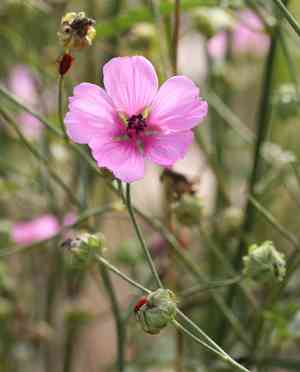
Palm-leaf marshmallow (Althaea cannabina)
Also known as: Hemp-leaved hollyhock
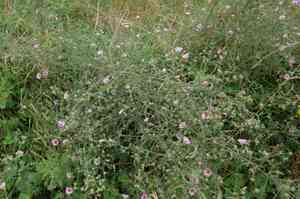
The palm-leaf marshmallow is a perennial herb known for its tall, slender stems and distinctive pink flowers. It typically flourishes in wetland areas, such as marshes and the edges of ponds, where the soil is moist and nutrient-rich. The plant also features palm-like leaves, adding to its unique appearance.
In This Article
Attributes of Palm-leaf marshmallow
Lifespan
Perennial
Plant Type
Herb
Plant Height
40 cm to 2 m
Spread
1.5 m
Leaf Color
Green Blue
Flower Size
3 cm to 5 cm
Flower Color
Pink Purple
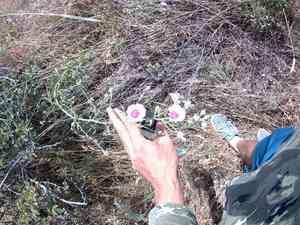
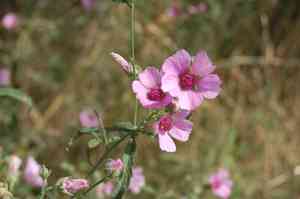
Images of Palm-leaf marshmallow
Quickly Identify Palm-leaf marshmallow
1
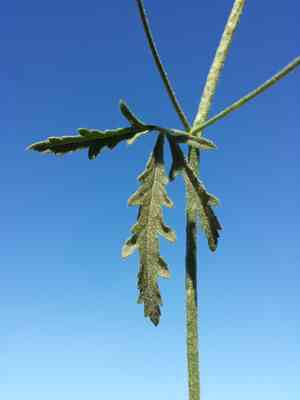
To identify Althaea cannabina, look for its deeply lobed leaves resembling those of hemp, and its delicate pink to purple flowers. The plant can grow up to 1.5 meters in height and blooms from summer to early autumn.
Scientific Classification of Palm-leaf marshmallow
Phylum
Vascular plants
Class
Dicotyledons
Order
Malvales
Family
Mallow
Genus
Marshmallows
Species
Palm-leaf marshmallow
Planting and Growing of Palm-leaf marshmallow
Care Difficulty
Easy
Watering Schedule
Every 2 days
Sunlight Requirements
Full sun
Sunshine Duration
6-10 hours
Ideal Temperature
68-77℉
Soil Type
Potting Mix, Peat Mix
Soil pH
6.5-7.5
Fertilizer Type
Balanced
Pruning Season
Spring, Summer
Pruning Area
Branches, Leaves
Pruning Frequency
2 times a year
Repotting Season
Spring
Pot Type
Plastic, Ceramic
 How to Water Palm-leaf marshmallow?
For Althaea cannabina, water to a depth where the soil is moist but not waterlogged. The plant prefers well-draining soil, so 500 milliliters of water should be sufficient, ensuring the water seeps through to the root zone without leaving the soil soggy.
What are the symptoms of an underwatered Palm-leaf marshmallow?
›
What should I do if my Palm-leaf marshmallow is not getting enough water?
›
What are the symptoms of an overwatered Palm-leaf marshmallow?
›
How to save an overwatered Palm-leaf marshmallow?
›
 What Are the Sunlight Requirements for Palm-leaf marshmallow?
Althaea cannabina thrives in full sun to partial sun conditions, ideally receiving 4-8 hours of sunlight. This light range supports its photosynthetic needs, encouraging robust flower production and healthier foliage.
More About Sunlight Requirements Techniques→
What is the ideal sunlight for Althaea cannabina?
›
How can I achieve this ideal lighting condition?
›
What are the advantages of achieving ideal lighting for Althaea cannabina?
›
 What Is the Ideal Temperature Range for Palm-leaf marshmallow?
Althaea cannabina thrives best between 68°F to 77°F. These temperatures mimic its natural habitat, ensuring optimal growth, flowering, and reproduction. Maintaining this range allows for healthy physiological processes within the plant.
 What Soil is Best for Palm-leaf marshmallow?
Althaea cannabina thrives in well-drained soil to prevent root rot. Ensuring the soil allows water to drain quickly will help maintain healthy root systems and promote vigorous growth. While not overly demanding, Althaea cannabina prefers soil with moderate fertility. Feeding the soil with balanced nutrients supports lush foliage and abundant flowering. This plant favors loamy soil, providing a balance that retains moisture while allowing airflow. This texture is ideal for the fibrous roots of Althaea cannabina, facilitating optimal nutrient absorption.
 How to Fertilize Palm-leaf marshmallow?
When fertilizing Althaea cannabina, apply approximately 20-30 grams of balanced fertilizer per plant. This quantity helps ensure that the plant receives enough nutrients for robust growth without overloading the soil with excess nutrients that could harm the plant.
 How to Prune Palm-leaf marshmallow?
Start by cutting back any leggy or overgrown stems to a manageable height. Make clean cuts at a 45-degree angle just above a leaf node, which helps in regrowth and minimizes water retention on the cut surface. After the bloom period, trim back the spent flowers. This will help the plant focus energy on new growth and reduces seed formation, encouraging prolonged flowering periods.
More About Pruning Techniques→
 How to Propagate Palm-leaf marshmallow plant?
1
Fill the seed trays with a well-draining potting mix, ensuring the surface is leveled. Moisten the soil slightly to provide an ideal environment for seeds to germinate. Ensure there are drainage holes to avoid waterlogging.
2
Scatter Althaea cannabina seeds evenly across the surface of the prepared soil. Lightly cover them with more potting mix or a thin layer of vermiculite to maintain moisture without obstructing light completely.
3
Using pruning shears, select and cut healthy, non-flowering stems about 10-15cm long. Remove the lower leaves to expose nodes, which facilitate rooting. Dip the cut end in rooting hormone before planting in moist soil.
 How to Repot Palm-leaf marshmallow plant?
1
Althaea cannabina should be repotted when its roots start showing through the drainage holes or if it’s not flowering robustly. These are signs that the plant has outgrown its current container and needs more space and nutrients to thrive.
2
Choose a pot that is 2 to 3 inches larger in diameter than the current one to allow for root expansion. Ensure it has good drainage holes at the bottom. A larger pot prevents root bound conditions and optimizes water drainage, preventing rot.
3
Opt for a well-drained, fertile mix to facilitate proper root growth and moisture management. Good soil improves nutrient uptake and reduces the risk of overwatering, which can be detrimental to this plant.
Learn More About Palm-leaf marshmallow Diseases
Anthracnose
Bacterial Leaf Spot
Bacterial Wilt
Chemical Injury
Damping-off
Downy Mildew
Drought Stress
Fusarium Wilt
Gray Mold
Leaf Curl
Leaf Spot
Mosaic
Nutrient Deficiency
Nutrient Toxicity
Powdery Mildew
Root Rot
Root-knot Nematode
Rusts
Sooty Mold
Spider Mites
Temperature Stress
Thrips Damage
White Mold



