How Much Sunlight Do Palm-leaf marshmallow Need?
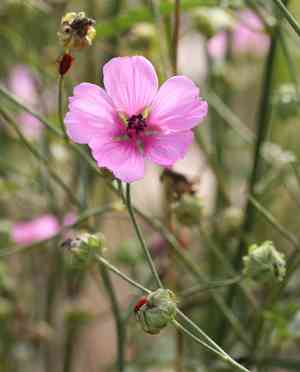
1
The Palm-leaf marshmallow flourishes in locations receiving a minimum of 6 hours of direct sun each day.
2
Although the Palm-leaf marshmallow can endure some shade, less than 4 hours could hinder its development.
3
Excessive sun exposure might lead to burned leaves, so observe its state frequently.
Optimal Light Conditions for the Palm-leaf marshmallow
Full Sun Requirements
The Palm-leaf marshmallow is a heliophilic plant that flourishes in full sun. Full sun means at least six hours of direct sunlight daily. This light quantity is vital for the plant's photosynthesis, promoting robust growth and vibrant blooms. If you reside in an area with extended, sunny days, placing your Palm-leaf marshmallow where it can absorb ample sun is perfect.
Partial Sun Tolerance
Although the Palm-leaf marshmallow prefers full sun, it can also endure partial sunlight. This implies it requires a minimum of three to six hours of direct sunlight each day. However, it's important to note that while the plant might survive in these conditions, its development may be less vigorous, and flowering might be less abundant compared to plants grown in full sun.
Understanding Seasonal Light Demands
Spring and Summer Light
During spring and summer, the Palm-leaf marshmallow benefits from longer days and increased light. Ideally, position your plant where it receives the maximum amount of sunlight during these periods. If it's in a pot, relocating it to follow the sun can be advantageous.
Fall and Winter Adjustments
As seasons shift and daylight hours shorten, the Palm-leaf marshmallow requires some modifications. In fall and winter, ensure the plant still gets as much sunlight as possible, perhaps by placing it near a south-facing window. If you observe insufficient light, consider using artificial illumination to supplement natural sunlight.
Optimizing Light for Indoor Palm-leaf marshmallow Plants
Window Placement
For indoor Palm-leaf marshmallow plants, ensuring sufficient sunlight can be challenging but achievable. Position your plant near south-facing windows for maximum light absorption. East and west-facing windows can also work, though the light might be less direct. Monitor your plant and adjust its location if it appears to be struggling.
Utilizing Artificial Lighting
If natural light is scarce, especially in winter or in homes with poor sun exposure, artificial lighting can be an excellent solution. Employ full-spectrum grow lights designed for plants that mimic natural sunlight. Place these lights approximately 6â12 inches (15â30 cm) above your plant and provide light for 12-16 hours daily to compensate for inadequate natural light.
Signs of Excessive or Insufficient Light
Identifying Sunburn or Scorching
Too much direct sunlight can harm your Palm-leaf marshmallow, indicated by sunburn or scorching. Symptoms include brown, crispy leaf edges or bleached spots where light was too intense. If you notice these signs, consider providing some shade or moving the plant to a less intensely sunny spot.
Recognizing Insufficient Light Symptoms
Conversely, inadequate sunlight can lead to etiolated growth, where stems become elongated and weak. Leaves might also turn pale, and the plant may produce fewer flowers. If you observe these indicators, try to increase the plantâs light exposure by repositioning it or using artificial light.
Common Errors in Providing Light to Palm-leaf marshmallow
Overexposure to Direct Sunlight
While the Palm-leaf marshmallow enjoys sun, overexposure can be detrimental. A frequent error is leaving the plant in harsh midday sun without protection. This can cause leaf scorching. Ensure a balance of exposure with some afternoon shade if needed, especially in very hot climates.
Neglecting Seasonal Changes
Ignoring the varying light requirements with the seasons can also be a pitfall. Many growers fail to adjust the plant's position as seasons change, resulting in either too much or too little sunlight. Regularly assess the light your Palm-leaf marshmallow receives and make necessary adjustments to maintain its health and vigor year-round.



