How to Propagate Palm-leaf marshmallow?
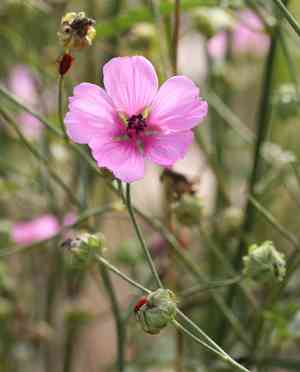
Palm-leaf marshmallow thrives when propagated through seeding, preferably in a regulated environment for optimal growth management. A rich, well-aerated planting medium improves the success of germination. Consistent hydration and a stable, temperate climate encourage vigorous seedling growth. After they are well-rooted, the juvenile plants need to be hardened off prior to moving them to their final spot, guaranteeing their successful adjustment to diverse environmental factors.
What Is the Best Time To Propagate Palm-leaf Marshmallow?
Propagation Type
Sowing
Propagation Season
Spring
What Tools Are Used in Palm-leaf Marshmallow Propagation?
Seed trays
Seed trays are crucial for uniformly sowing seeds and offering a stable environment for germination. Their compact size and divisions enable efficient space utilization and minimize root disturbance when transplanting young palm-leaf marshmallow plants. They are particularly useful as palm-leaf marshmallow seeds require a reliable medium to initiate growth.
Potting mix
A premium potting mix supplies the necessary nutrients and a well-draining medium that palm-leaf marshmallow requires to flourish during germination and initial growth. The mix should be light and airy to promote root development and moisture retention without causing waterlogging, which can harm palm-leaf marshmallow seedlings.
Watering can with a fine rose
For delicate palm-leaf marshmallow seedlings, gentle watering is vital. A watering can equipped with a fine rose attachment helps distribute water evenly and softly over the soil, preventing seed displacement and reducing the risk of fungal diseases. This tool ensures young plants receive adequate moisture without being overwhelmed.
Clear plastic dome or cover
Maintaining humidity around palm-leaf marshmallow seeds during germination is essential. A clear plastic dome or cover over seed trays helps retain moisture and warmth, creating a mini-greenhouse effect. This stable environment supports consistent growth and lessens stress on emerging palm-leaf marshmallow seedlings.
Labels and markers
Tracking sowing dates and palm-leaf marshmallow plant types is important for effective management of growth stages. Using labels and markers in seed trays helps prevent confusion, ensuring each plant receives care tailored to its specific needs during critical early development.
How to Propagate Palm-leaf Marshmallow?
Propagation Type
Easy
How to Care for Your Newly Propagated Palm-leaf Marshmallow?
How to Care for Your Newly Propagated Palm-leaf Marshmallow?
Following propagation, gradually introduce young palm-leaf marshmallow plants to outdoor conditions if they were initially grown indoors. Eventually, transplant them to a sunny location with well-drained soil. Water consistently to keep the soil moist, especially during dry spells, but avoid saturation. Pruning is generally not needed, but removing spent flowers can encourage more blooms. Apply a small amount of balanced fertilizer in early spring to support robust growth and flowering.
Common Mistakes to Avoid When Propagating Palm-leaf Marshmallow
Overwatering
Excessive watering can lead to root rot in palm-leaf marshmallow, as it is vulnerable to overly saturated soil conditions. This error impairs the root system's ability to absorb nutrients effectively, diminishing the plant's overall vigor and propagation success.
Deep planting of seeds
Planting seeds too deeply can prevent them from receiving sufficient light, which is crucial for germination. This mistake can result in poor or failed germination, severely impacting propagation outcomes for palm-leaf marshmallow.
Ignoring pest management
Neglecting early pest control can lead to infestations that weaken palm-leaf marshmallow, making it harder for the plant to establish and grow from propagated material. Pests can damage young shoots and leaves, effectively reducing the plant's photosynthetic capacity.
Tips For Propagating Palm-leaf Marshmallow
Using well-draining soil
Utilize well-draining soil to foster healthy root development in palm-leaf marshmallow. This prevents waterlogging and associated risks of root diseases, which are vital for successful propagation.
Surface sowing
Sow palm-leaf marshmallow seeds on the soil surface and gently press them into contact with the earth, but do not cover them deeply. This method ensures the seeds have adequate light exposure, which is essential for optimal germination rates.
Regular monitoring for pests
Periodically inspect palm-leaf marshmallow for signs of pests and implement appropriate control measures. Early intervention prevents significant damage and helps maintain plant health, supporting successful propagation.



