How to Prune Palm-leaf marshmallow?
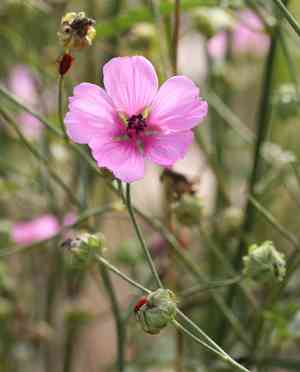
Celebrated for its impressive leaves, palm-leaf marshmallow greatly benefits from careful trimming. To foster a more compact form, shorten the prior year's stems in the early spring. Throughout the summer, remove faded blossoms to encourage ongoing flowering. Autumn pruning is uncommon, but may involve eliminating dead or ailing branches to preserve the plant's well-being. Always employ sanitized, keen implements to avert the spread of pathogens, and discard trimmed matter appropriately.
What Are the Benefits of Pruning Palm-leaf Marshmallow?
What Are the Benefits of Pruning Palm-leaf Marshmallow?
Trimming palm-leaf marshmallow promotes flowering, encourages vigorous development, and maintains its preferred form. Strategic cuts revitalize palm-leaf marshmallow, enhancing its vegetative strength and floral display while shaping it aesthetically for garden appeal.
What Is the Best Time for Pruning Palm-leaf Marshmallow?
What Is the Best Time for Pruning Palm-leaf Marshmallow?
Pruning in spring prepares palm-leaf marshmallow for new growth by removing old or dead stems and improving its shape and vitality. Early summer pruning allows for the removal of spent flowers, encouraging reblooming and maintaining its look. Early fall pruning is suitable for light shaping and removing seed heads, but it should be done well before frost to prevent damage to new growth. These seasons prevent stress during hot or cold extremes, align with growth cycles, and maintain overall plant health.
What Tools Do I Need to Prune Palm-leaf Marshmallow?
Bypass Pruners
Perfect for making clean cuts on the soft stems of palm-leaf marshmallow, bypass pruners cause minimal harm to the plant tissue, aiding in quicker recovery.
Long-Handled Loppers
Palm-leaf marshmallow may occasionally have tougher stems or be located in difficult-to-reach spots. Long-handled loppers extend reach and provide leverage to cut through thicker stems effortlessly.
Gardening Gloves
When trimming palm-leaf marshmallow, it's wise to wear gloves to shield hands from any rough stems and to ensure a better grip on pruning tools.
Pruning Saw
For any old, woody stems that palm-leaf marshmallow might develop, a pruning saw is essential. It allows for making cuts to stems that are too thick for pruners or loppers.
How to Prune Palm-leaf Marshmallow
Clean tools
Before beginning the pruning process, sanitize all tools with rubbing alcohol or a 10% bleach solution to prevent the spread of diseases to palm-leaf marshmallow.
Remove diseased
Identify and carefully snip away any diseased leaves from palm-leaf marshmallow. Use sharp, clean scissors or pruners, and make the cuts close to the base of the affected leaf, ensuring not to harm healthy parts.
Trim withered leaves
Prune away withered leaves on palm-leaf marshmallow. These leaves will no longer contribute to the plantâs growth. Trim them at their base, but avoid cutting live, healthy growth.
Deadhead flowers
Deadhead withered flowers on palm-leaf marshmallow to encourage new growth and promote a tidy appearance. Snip the spent blossom just above the first set of healthy leaves or buds beneath the dead bloom.
Dispose materials
After pruning palm-leaf marshmallow, dispose of all removed material, preferably by burning or bagging, to prevent any spread of potential pathogens. Clean the tools again after finishing.
Common Pruning Mistakes with Palm-leaf Marshmallow
Over-pruning
Removing too much foliage from palm-leaf marshmallow can significantly weaken the plant. This mistake can stress palm-leaf marshmallow, making it more susceptible to disease and reducing its ability to flourish.
Improper tool use
Using dull or dirty tools can damage the stems of palm-leaf marshmallow, leading to jagged cuts that can invite pests and diseases. Clean, sharp tools are essential for clean cuts that heal quickly.
Cutting without a plan
Random or unplanned cuts can result in an unbalanced shape and may remove buds or shoots that would have produced flowers. It's important to prune with a clear objective in mind.
Neglecting deadheading
Failing to remove spent flowers can prevent palm-leaf marshmallow from producing new blooms. Deadheading is a form of pruning that encourages more flowers.
Common Pruning Tips for Palm-leaf Marshmallow
Selective thinning
Remove selected branches to increase light penetration and air circulation throughout palm-leaf marshmallow's foliage. This method of pruning can help maintain the plant's shape and encourage healthy growth.
Pruning for regeneration
Pruning older stems can stimulate new growth. Focus on removing some of the older, woodier stems to make way for fresh, vigorous growth.
Health maintenance pruning
Regularly remove any dead, diseased, or damaged branches to keep palm-leaf marshmallow healthy. This helps to prevent the spread of disease and maintain a tidy appearance.
Gentle shape maintenance
Lightly prune to maintain the desired shape and size of palm-leaf marshmallow. Overzealous reshaping should be avoided as it can lead to reduced flowering and a less natural appearance.



