How to Transplant Greater galangal?
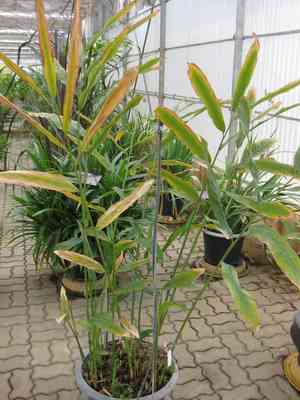
Greater galangal flourishes when relocated between mid-spring and early summer, benefiting from the elevated temperatures that facilitate superior root development. Select a bright spot featuring soil that drains effectively to encourage robust growth. Provide some shade in exceptionally warm regions.
What Preparations are Needed Before Transplanting Greater Galangal?
What is the Ideal Time for Transplanting Greater Galangal?
The best time to move greater galangal is from mid-spring to early summer. During this period, the ground has warmed sufficiently, promoting strong root development and vigorous growth. Transplanting at this time reduces plant stress and enhances nutrient absorption, ensuring greater galangal flourishes in its new spot. Additionally, milder weather and longer daylight hours aid in a smoother transition and healthier plant growth.
How Much Space Should You Leave Between Greater Galangal Plants?
When relocating greater galangal, ensure each plant is positioned 24-36 inches (60-90 cm) apart. This provides ample room for development and expansion. Remember, generous spacing encourages healthier root systems and leaf production!
What is the Best Soil Mix for Greater Galangal Transplanting?
For greater galangal soil preparation, select well-draining, loamy soil enriched with organic matter. Incorporating a base fertilizer rich in potassium and nitrogen will stimulate growth. Maintain a slightly acidic to neutral pH level, around 6-7.
Where Should You Relocate Your Greater Galangal?
Select a sunny spot for moving greater galangal. These plants flourish best with 6-8 hours of direct sunlight daily. A brightly lit area encourages robust growth, leading to lush, flavorful foliage and sturdy stems.
What Equipments Should You Prepare Before Transplantation Greater Galangal?
Gardening Gloves
To safeguard your hands while handling soil and plants.
Shovel or Spade
For excavating the plant from its original site and preparing the new planting hole.
Watering Can or Hose
To hydrate the plant before and after its relocation.
Pruning Shears
To trim any damaged or overgrown roots if necessary.
Wheelbarrow or Bucket
To move the plant to its new position.
How Do You Remove Greater Galangal from the Soil?
How Do You Remove Greater Galangal from the Soil?
From Ground: First, moisten the greater galangal plant's soil with water. Then, dig a wide trench around the plant using a shovel or spade, ensuring the root ball remains intact. Carefully work the spade beneath the root ball to lift the plant from its initial location.From Pot: Gently tap the pot's sides to loosen the soil. Invert the pot and carefully slide the greater galangal plant out, supporting it with your hand to keep the root ball whole.From Seedling Tray: Lightly water the seedlings to facilitate removal. Use a small tool like a spoon or a dibbler to gently lift the seedling from the tray, ensuring some surrounding soil stays with the roots.
Step-by-Step Guide for Transplanting Greater Galangal
Prepare the New Site
Choose the spot for your greater galangal plant and dig a hole that is twice as wide but the same depth as the plant's root ball.
Remove the Plant
Carefully extract your greater galangal plant from its original spot (refer to the removal instructions). Handle the plant gently to prevent root damage.
Inspect and Trim
Examine the roots. Trim any damaged or excessively long roots with pruning shears to promote healthy development.
Planting
Place the greater galangal plant into the hole at the same depth it was previously growing. Fill the hole with soil, gently firming it around the roots to eliminate air pockets.
Watering
Thoroughly water the greater galangal plant to settle the soil and aid root establishment in its new location.
How Do You Care For Greater Galangal After Transplanting?
Watering
Keep the soil around the greater galangal consistently damp, but not waterlogged, for the initial weeks post-transplant to encourage strong root growth.
Mulching
Apply a layer of mulch around the plant's base to retain moisture and regulate soil temperature.
Monitoring
Regularly check for signs of stress like wilting or yellowing leaves and adjust care as needed.
Support
If the greater galangal is tall or top-heavy, consider adding a stake or support to keep the plant upright during its establishment phase.
Troubleshooting Common Issues with Greater Galangal Transplantation.
When is the best time to transplant greater galangal?
Mid-spring to early summer is ideal for relocating greater galangal. This timing ensures optimal growth.
What is the ideal spacing for greater galangal?
Space greater galangal plants 24-36 inches (60-90 cm) apart to allow sufficient room for growth.
How deep should I plant greater galangal seedlings?
Plant greater galangal seedlings at the same depth they were in their previous container or slightly deeper.
What type of soil is best for greater galangal?
Use well-draining, fertile soil with a slightly acidic to neutral pH for optimal growth of greater galangal.
How much water does greater galangal need after transplanting?
Water greater galangal regularly after transplanting to keep the soil consistently moist but not waterlogged.
Should I use mulch after transplanting greater galangal?
Yes, apply a layer of mulch around greater galangal to retain moisture and suppress weeds.
How do I prevent transplant shock in greater galangal?
Water thoroughly before and after transplanting greater galangal and avoid disturbing its root system too much.
What kind of fertilizer should I use for greater galangal?
Use a balanced, slow-release fertilizer to provide greater galangal with necessary nutrients without overfeeding.
How much sunlight does greater galangal require?
Greater galangal thrives in full sun to partial shade, so choose a location with ample light.
Can I transplant greater galangal during hot weather?
Avoid transplanting greater galangal during extremely hot weather as it may cause stress and hinder establishment.



