How to Prune Greater galangal?
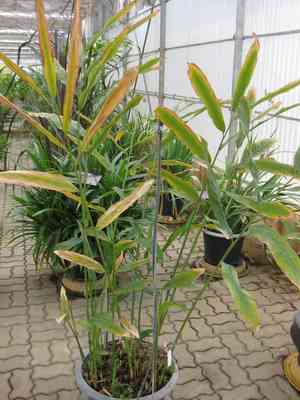
A tropical perennial herb celebrated for its fragrant rhizomes, greater galangal flourishes with consistent trimming to stimulate robust development and minimize ailments. The most effective time for pruning is in the spring, right after fresh shoots emerge, and should persist throughout summer and autumn to eliminate aged or lifeless stalks. This practice guarantees improved air movement and light exposure, boosting greater galangal's well-being and yield. Employing sanitized, keen implements, trim up to one-third of the mature stems down to the soil line, prioritizing congested or less vigorous areas.
What Are the Benefits of Pruning Greater Galangal?
What Are the Benefits of Pruning Greater Galangal?
Trimming greater galangal encourages robust development and preserves its form. Regular cutting fosters healthier, denser foliage and can prevent excessive growth, ensuring the plant remains appealing and manageable.
What Is the Best Time for Pruning Greater Galangal?
What Is the Best Time for Pruning Greater Galangal?
Pruning greater galangal during Spring, Summer, and Fall aligns with its active growth phases, promoting robust growth and ensuring the plant retains a manageable shape and size. In Spring, pruning helps stimulate new growth as the plant exits dormancy. Summer pruning is beneficial for shaping the plant and removing any diseased or dead stems that may occur with the onset of warmer weather. Pruning in Fall is crucial for removing old growth and preparing greater galangal for the dormant winter, enhancing its overall health and vigor in the next growing season. These seasons are chosen specifically to avoid the dormancy period during winter when pruning could stress the plant and hamper spring regrowth.
What Tools Do I Need to Prune Greater Galangal?
Hand pruners
Perfect for trimming and shaping the shoots and stems of greater galangal. These instruments allow for precise cuts, essential for maintaining the plant's health and look. Choose bypass pruners over anvil types, as they create cleaner cuts without crushing stem tissues.
Long-handled loppers
Appropriate for reaching into denser areas of greater galangal when thicker stems need removal, especially in more mature plants. Loppers improve leverage and enable clean cuts with minimal effort, which is vital to avoid plant damage.
Pruning saw
Recommended for cutting through the toughest, woodiest stems of greater galangal that other pruners and loppers cannot manage. A fine-toothed pruning saw is more suitable as it produces smoother cuts, reducing plant stress.
How to Prune Greater Galangal
Identify
Inspect greater galangal thoroughly to locate diseased leaves, withered leaves, dead branches, and diseased branches. Ensure you check both upper and lower parts of the leaves as well as the integrity of smaller branches.
Disinfect
Before starting the pruning process, disinfect your pruning tools with a solution of bleach or alcohol to prevent the spread of diseases. Clean tools ensure a healthy cut and help maintain the overall health of greater galangal.
Prune leaves
Using sharp, clean shears, carefully remove the diseased and withered leaves from greater galangal. Make cuts close to the stem to avoid leaving stubs that could attract pests or disease.
Prune branches
Cut back any dead or diseased branches from greater galangal to the point where healthy tissue is visible. Ensure cuts are made at a 45-degree angle to facilitate water runoff and prevent decay.
Cleanup
Collect all removed leaves and branches and dispose of them properly to prevent any diseased material from affecting other plants or re-infecting greater galangal. Clean the area around the plant to keep it free from debris.
Common Pruning Mistakes with Greater Galangal
Overpruning
Removing too much foliage or too many stems at once can stress greater galangal, reducing its vigor and potentially leading to poor growth and fewer flowers.
Cutting too close
Cutting stems too close to the main rootstalk can injure the plant, increasing the risk of disease and affecting the regrowth capacity of greater galangal.
Wrong tool usage
Using dull or dirty tools can damage greater galangal's stems, leading to ragged cuts that poorly heal and invite pests or diseases.
Common Pruning Tips for Greater Galangal
Tool cleanliness
Always use sharp, clean pruning shears or a knife. This ensures clean cuts that heal quickly, minimizing stress and disease risk to greater galangal.
Selective pruning
Focus on removing only the old, non-productive stems or any that appear diseased and weak. This helps greater galangal maintain its energy for producing vigorous, new growth and more blooms.
Cutting technique
Make cuts at a 45-degree angle a few inches above the ground for stems that need removal. This angle promotes water runoff and prevents disease accumulation.



