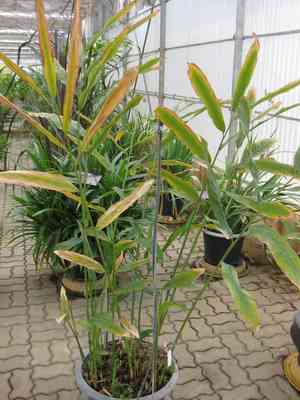
Greater galangal (Alpinia galanga)
Also known as: Great galangal, Langwas, Galangal
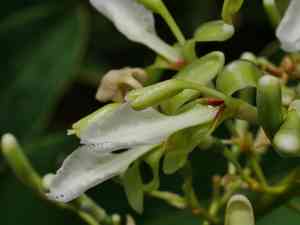
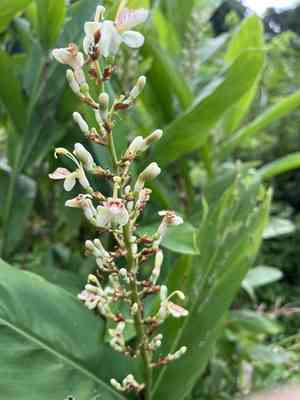
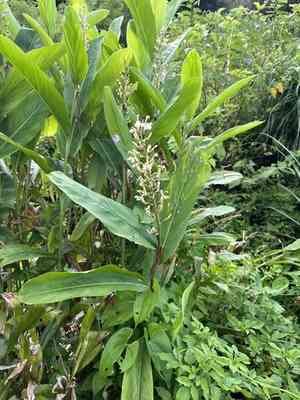
Greater galangal (Alpinia galanga) is a sturdy perennial herbaceous plant, distinguished by its long, lance-shaped leaves and eye-catching white or pale yellow flowers arranged in a conical cluster. It flourishes in the humid climates of tropical Asia, where its aromatic rhizomes are a prized feature. The plant's robust root system penetrates deeply into the soil, ensuring it obtains ample nutrients and maintains stability. Its lush green foliage and distinctive floral spikes make it a notable and versatile plant, important in both culinary and medicinal applications.
In This Article
Attributes of Greater galangal
Lifespan
Perennial
Plant Type
Herb
Plant Height
1.2 m to 1.8 m
Spread
1 m
Leaf Color
Green
Flower Size
Approximately 3 to 5 cm
Flower Color
Red White
Images of Greater galangal
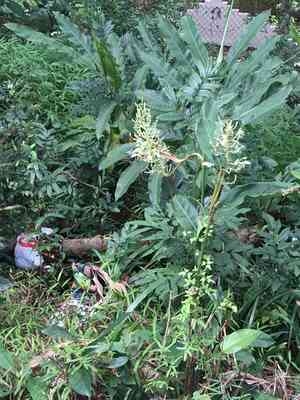
Quickly Identify Greater galangal
1
To identify Alpinia galanga, look for its large, lanceolate leaves with a notable central vein, and its tall stems which can reach up to 2 meters. The plant produces clusters of white flowers with red streaks, and its rhizomes are aromatic with a sharp, pine-like flavor.
Scientific Classification of Greater galangal
Phylum
Vascular plants
Class
Monocotyledons
Order
Zingiberales
Family
Ginger
Genus
Shell gingers
Species
Greater galangal
Planting and Growing of Greater galangal
Care Difficulty
Easy
Watering Schedule
Every 3 days
Sunlight Requirements
Partial sun
Sunshine Duration
4-8 hours
Ideal Temperature
75-85℉
Soil Type
Potting Mix, Peat Mix
Soil pH
5.5-6.8
Fertilizer Type
Balanced
Pruning Season
Spring, Summer
Pruning Area
Branches, Leaves
Pruning Frequency
2 times a year
Repotting Season
Spring
Pot Type
Plastic, Ceramic
 How to Water Greater galangal?
When watering Alpinia galanga, aim to thoroughly soak the soil without waterlogging it. This means ensuring the water reaches the roots, giving each plant approximately 500ml. Ensure excess water drains out to prevent root rot. Use well-draining soil to facilitate this process.
What are the symptoms of an underwatered Greater galangal?
›
What should I do if my Greater galangal is not getting enough water?
›
What are the symptoms of an overwatered Greater galangal?
›
How to save an overwatered Greater galangal?
›
 What Are the Sunlight Requirements for Greater galangal?
Alpinia galanga flourishes in partial sun to partial shade, as this range offers ample energy for growth while preventing damage. Adequate light ensures robust foliage and overall vitality.
How much light does Alpinia galanga thrive in?
›
What are the solutions to achieve ideal lighting for Alpinia galanga?
›
What benefits does ideal lighting provide to Alpinia galanga?
›
 What Is the Ideal Temperature Range for Greater galangal?
To ensure optimal growth for Alpinia galanga, maintain a temperature range between 75°F and 85°F. This range supports healthy foliage and vibrant flowering. Temperatures within this range mimic the plant's natural tropical environment, promoting vigorous root development, photosynthesis, and overall plant vitality.
 What Soil is Best for Greater galangal?
Alpinia galanga thrives in soil that offers good drainage. Compacted or water-logged soils can suffocate plants leading to root rot. Ensuring proper water flow in the soil benefits the plant by promoting healthy root development and overall plant vigor. The plant benefits from soil rich in organic matter, which provides essential nutrients. This enriches the soil structure, enhances moisture retention, and facilitates nutrient uptake, resulting in a more robust growth cycle. While good drainage is essential, Alpinia galanga also prospers in soils that retain moisture. This balance prevents plants from drying out between waterings, especially during hot periods, facilitating consistent growth and leaf hydration.
 How to Fertilize Greater galangal?
For Alpinia galanga, it's crucial to use a balanced fertilizer with an NPK ratio of 10-10-10 or similar. When applying liquid fertilizer, dilute it to half the recommended strength to avoid root burn. For slow-release fertilizers, use around 100 grams per plant annually.
 How to Prune Greater galangal?
Begin by examining the plant for any signs of disease or dead leaves. Prioritize removing these first to ensure the plant remains healthy. Make cuts above a node or a leaf stem to encourage new growth. Aim for cuts at a 45-degree angle to promote efficient healing. Regularly shape the plant to maintain its aesthetic appeal. Focus on a balanced look while ensuring sunlight can reach all parts of the plant.
More About Pruning Techniques→
 How to Propagate Greater galangal plant?
1
Carefully dig up the plant and separate the rhizomes with sterilized tools, ensuring each division has roots and shoots for successful propagation.
2
Start with using quality potting mix in seed trays, sow seeds evenly, cover lightly with soil, and maintain consistent moisture and warmth for germination.
3
For tissue culture, small segments of the plant are grown in a sterile, nutrient-rich medium under controlled laboratory conditions to generate new plants.
 How to Repot Greater galangal plant?
1
Alpinia galanga signals a need for repotting when roots begin to crowd the pot or emerge from drainage holes. Such a situation limits nutrient absorption and stunts growth. Spring and summer are ideal seasons as the plant naturally experiences growth spurts, thus recovering more efficiently from the transplant shock.
2
Select a pot that is slightly larger than the current one, with adequate drainage holes. A pot too large requires unnecessary soil, increasing water retention risk. Meanwhile, a well-chosen pot improves soil aeration, enabling roots to breathe, thus encouraging robust growth.
3
Opt for a well-draining, humus-rich soil mix. Such soil ensures proper moisture retention without waterlogging and provides essential nutrients that promote vibrant growth. A typical mix might include peat, perlite, and organic matter to balance aeration and nutrition.
Learn More About Greater galangal Diseases
Anthracnose
Bacterial Leaf Spot
Bacterial Soft Rot
Bacterial Wilt
Damping-off
Downy Mildew
Drought Stress
Fusarium Wilt
Gray Mold
Leaf Spot
Mosaic
Nutrient Deficiency
Nutrient Toxicity
Powdery Mildew
Root Rot
Root-knot Nematode
Rusts
Sooty Mold
Spider Mites
Temperature Stress
Thrips Damage
White Mold



