How to Propagate Greater galangal?
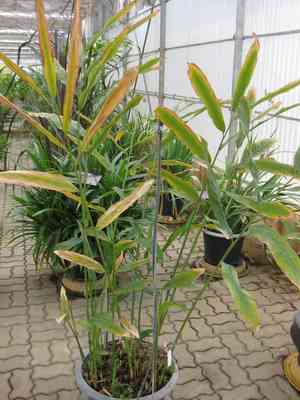
Alpinia galanga can be successfully multiplied through its rhizomes. For optimal development, cultivators ought to choose sound and pathogen-free rhizomes. These ought to be set in soil that drains properly, enhanced with organic material to foster vigorous development. It is crucial that the planting depth adequately covers the rhizome without burying it excessively, which could hinder germination. Consistent irrigation, avoiding saturation of the soil, will assist in the plant's establishment and proliferation.
What Is the Best Time To Propagate Greater Galangal?
Propagation Type
UtilizeRhizomes
Propagation Season
Spring
What Tools Are Used in Greater Galangal Propagation?
Sharp Knife
A keen blade is vital for cleanly severing the rhizomes of greater galangal, reducing harm and boosting the likelihood of successful propagation. It enables precise cuts that help maintain the health of the rhizomes, ensuring they are not crushed or overly damaged, which could introduce disease.
Sterilizing Agent (e.g., rubbing alcohol)
This substance is employed to sanitize the knife and other implements prior to cutting the rhizomes of greater galangal. Sterilization prevents the spread of pathogens and ensures clean cuts, significantly lowering the risk of infection and fostering healthier growth during propagation.
Rooting Hormone
Rooting hormone can be applied to the freshly cut surface of greater galangal's rhizomes to encourage faster root development and stronger root systems. This increases the success rate of the rhizome taking root and establishing itself when transplanted.
Potting Medium
A well-draining, fertile growing substrate is essential for the initial growth phase following propagation of greater galangal. It supports the newly cut rhizomes by providing the necessary nutrients and moisture environment, while also allowing for proper aeration to prevent rot.
Containers
Receptacles are necessary to house the rhizomes of greater galangal during the initial rooting phase. They should be sufficiently large to accommodate growth and provide adequate drainage to prevent waterlogging, which could lead to fungal infections or rot.
How to Propagate Greater Galangal?
Propagation Type
Simple
How to Care for Your Newly Propagated Greater Galangal?
How to Care for Your Newly Propagated Greater Galangal?
Once the rhizomes have sprouted and become established, gradually introduce greater galangal to its permanent growing spot. Maintain consistent, moderate watering, ensuring the soil remains moist but not waterlogged. Fertilize monthly with a balanced, water-soluble feed to support vigorous growth. Shield greater galangal from extreme temperatures and direct midday sun. Regularly inspect for pests and diseases, treating promptly if necessary. With proper attention, greater galangal will mature into a robust plant, ready for culinary or medicinal use.
Common Mistakes to Avoid When Propagating Greater Galangal
Overwatering
Excessive moisture can lead to root decay and fungal issues. Greater galangal requires well-drained soil to flourish.
Insufficient Light
A lack of adequate sunlight can hinder growth and delay propagation. Greater galangal needs bright, indirect illumination for optimal development.
Using Incorrect Soil
Heavy or clay-rich soil can impede root development. Greater galangal prefers loose, well-drained soil with organic matter.
Poor Hygiene
Failing to sanitize tools can introduce disease-causing agents. Clean tools prevent the spread of illness during propagation.
Planting Depth
Burying rhizomes too deeply can reduce growth. Rhizomes should be just beneath the soil surface to allow for sprouting.
Tips For Propagating Greater Galangal
Cut Healthy Rhizomes
Choose healthy, disease-free rhizomes with visible buds or 'eyes' for the best propagation success.
Proper Soil Mix
Utilize a blend of garden soil, sand, and compost to ensure good drainage and nutrient availability for greater galangal.
Moderate Watering
Keep the soil moist but not waterlogged. Irrigate when the top inch of soil feels dry to the touch.
Optimal Spacing
Plant rhizomes with sufficient space (approximately 30 cm apart) to prevent overcrowding and encourage healthy growth.
Sunlight Exposure
Position greater galangal in a spot with bright, indirect sunlight, avoiding direct harsh sun to prevent leaf burn.



