How to Overwinter Greater galangal
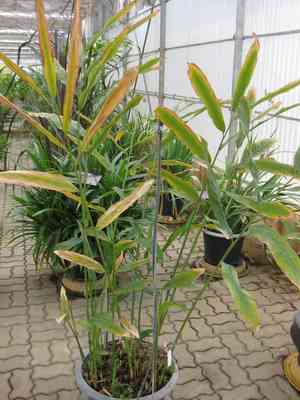
1
Greater galangal is susceptible to frost and requires safeguarding from low temperatures.
2
Optimal indoor temperatures for keeping Greater galangal over winter range from 15°C to 24°C (59°F to 75°F).
3
Confirm the plant gets approximately 6-8 hours of filtered sunlight each day throughout the colder period.
The Importance of Overwintering Greater galangal
Why is Overwintering Greater galangal Important?
For Greater galangal, a tropical plant with aromatic rhizomes, grown in cold winter regions, proper overwintering is vital for its survival and health. This frost-sensitive plant cannot endure temperatures below 10°C (50°F), and without adequate protection, it will die in cold conditions. Overwintering helps maintain its vigor, promoting strong growth in spring and continued production of its valuable culinary and medicinal rhizomes.
Preparing Greater galangal for Winter
Plant Inspection
Before winter arrives, thoroughly examine your Greater galangal plant. Check for any signs of disease, pest infestations, or damage. Address these issues promptly by removing affected areas and treating pests, ensuring the plant is in optimal condition to endure the challenges of indoor overwintering.
Pruning and Cleaning
Pruning is a crucial step in readying Greater galangal for winter. Trim off any dead or damaged leaves to encourage healthy new growth. Cleaning the plant involves removing any debris from around its base, which can harbor pests and diseases. This practice not only maintains plant health but also reduces the risk of indoor infestations.
Soil and Mulch
If you intend to keep your Greater galangal outdoors as long as possible, mulching can provide an extra layer of cold protection. Apply a layer of organic mulch, such as straw or shredded leaves, around the plant's base to insulate its roots. If moving indoors, ensure the potting soil drains well to prevent waterlogged conditions that can lead to root rot.
Indoor Care for Greater galangal
Selecting the Right Location
For indoor overwintering, choose a spot with ample indirect sunlight, such as near a south-facing window. The ideal indoor temperature range for Greater galangal is between 15°C to 24°C (59°F to 75°F). Avoid placing the plant near drafts or heat sources, as these can cause stress and hinder its growth.
Potting Instructions
When potting Greater galangal for indoor care, use a pot with sufficient drainage holes to prevent water accumulation. Fill the pot with a rich, well-draining soil mix. Plant the rhizomes horizontally, covering them with about 5 cm (2 inches) of soil. Ensure the pot is large enough to accommodate the plantâs growth throughout the winter months.
Watering and Humidity
During winter, Greater galangal's watering needs will decrease. Water the plant when the top 2-3 cm (1 inch) of soil feels dry. Maintain a consistent watering schedule, avoiding both insufficient and excessive watering. To maintain adequate humidity, occasionally mist the plant or use a humidity tray to prevent the leaves from drying out.
Monitoring Greater galangal During Winter
Checking for Pests and Diseases
Regularly inspect your Greater galangal for signs of pests like aphids, spider mites, or mealybugs, which are more prone to appear during indoor overwintering. Check the leaves and soil surface for any unusual activity or damage. Use organic insecticidal soap or neem oil to promptly address any infestations.
Adjusting Care as Needed
Throughout the winter months, closely observe your Greater galangal for any signs of stress or unusual changes in growth patterns. Adjust your care routine as necessary, whether itâs modifying the watering schedule, repositioning the plant for better light exposure, or adjusting humidity levels. Being attentive to the plantâs needs will help it thrive indoors.
Moving Greater galangal Back Outdoors
Timing the Relocation
As the weather warms, it's time to plan the transition of your Greater galangal back outdoors. Wait until the risk of frost has passed and nighttime temperatures consistently remain above 10°C (50°F). This will ensure the plant can safely adjust without the threat of cold damage.
Gradual Acclimatization
To prevent shock, gradually acclimatize your Greater galangal to outdoor conditions. Begin by placing the plant outside for a few hours daily in a shaded spot, progressively increasing its exposure to direct sunlight over one to two weeks. This transition helps the plant readjust to the outdoor environment without stress.
Post-Winter Care Advice
Once your Greater galangal is back outdoors, continue to closely monitor its health. Resume regular feeding with a balanced fertilizer to support new growth and ensure the soil remains well-drained. With proper care, your plant will quickly recover and flourish in the warmer months.



