How to Transplant Whitebrush?
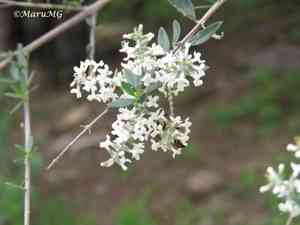
The most favorable period for relocating whitebrush is in the spring, as moderate temperatures facilitate root development. Select a bright spot with permeable soil to foster robust growth, and lightly irrigate whitebrush after moving it to aid its adjustment.
What Preparations are Needed Before Transplanting Whitebrush?
What is the Ideal Time for Transplanting Whitebrush?
The optimal period for relocating whitebrush is during the spring months. This season offers moderate temperatures that minimize transplant shock, thereby ensuring whitebrush's root establishment before the summer heat. Transplanting in this mild window maximizes whitebrush's resilience and growth potential, as the soil warmth and increased daylight promote ideal root development. Engaging in this pre-summer transition allows whitebrush to benefit from spring rains, which contribute to a less stressful acclimatization and a more vigorous start in its new location.
How Much Space Should You Leave Between Whitebrush Plants?
When transplanting whitebrush, ensure it's positioned at least 3-5 feet (0.9-1.5 meters) away from other plants. This will provide your plant with ample room for development. However, if you're uncertain, you can adjust its placement as the plant matures.
What is the Best Soil Mix for Whitebrush Transplanting?
The soil for whitebrush should be well-drained to prevent excessive waterlogging. Before transplanting, incorporate an all-purpose base fertilizer into the soil. This supplies essential nutrients and creates an optimal environment for your plant.
Where Should You Relocate Your Whitebrush?
Whitebrush thrives in full sun exposure. Therefore, select a location in your garden that receives abundant sunlight throughout the day. This will aid in your plant's healthy growth. Don't be concerned if this isn't entirely feasible; a little shade will not harm whitebrush.
What Equipments Should You Prepare Before Transplantation Whitebrush?
Gardening Gloves
To protect your hands while working with the plant and soil.
Shovel or Trowel
These tools will be essential for excavating the plant from its original spot and planting it in its new location.
Watering Can
You'll need this to hydrate the whitebrush plant both before and after transplanting.
Garden Cart or Wheelbarrow
To move the whitebrush plant from its initial position to the new transplant site.
Organic Compost or Mulch
To hydrate the plant's roots and also to spread over the newly transplanted whitebrush plant to provide extra nutrients and help retain moisture.
How Do You Remove Whitebrush from the Soil?
How Do You Remove Whitebrush from the Soil?
From Ground: Water the whitebrush plant thoroughly before transplanting to make the soil moist and roots easier to extract. Dig a wide circle around the plant, ensuring you go deep enough to reach most of the roots. Gently lift the plant from the soil, keeping the root ball as intact as possible.From Pot: Water the whitebrush plant prior to the process, then invert the pot while holding your hand over the soil with the stem between your fingers to prevent the plant and root ball from falling out. Shake it gently to loosen the roots from the pot.From Seedling Tray: Remember that seedlings are delicate. First, water the seedling tray thoroughly, then carefully loosen the soil around the whitebrush seedling. Be sure to only handle the seedling by its leaves, not its stem. Slowly lift it out of the tray, retaining as much soil around the roots as possible.
Step-by-Step Guide for Transplanting Whitebrush
Site Preparation
Prepare the new transplant site by digging a hole that is twice the size of the whitebrush's root ball. The depth of the hole should be such that the top of the root ball will be level with or slightly below the ground surface.
Planting
Place the whitebrush plant in the hole, ensuring it is upright. Backfill the hole with soil, pressing down gently to eliminate any air pockets.
Watering
Water the whitebrush plant immediately after planting, saturating the soil around the root ball.
Mulching
Apply a layer of organic compost or mulch around the base of the whitebrush to help retain moisture and enrich the soil with nutrients.
How Do You Care For Whitebrush After Transplanting?
Regular Watering
Water the whitebrush plant appropriately, keeping the soil slightly damp, especially for the initial few weeks following transplanting.
Pruning
Trim any dead or dying branches to help the whitebrush focus on developing new roots.
Disease and Pests Monitoring
Keep a close watch on the health of your whitebrush plant. Look out for signs of disease or infestations and take prompt action to protect your plant.
Troubleshooting Common Issues with Whitebrush Transplantation.
When's the best season to transplant whitebrush?
The optimal time for transplanting whitebrush is between early to mid-year. It provides the plant with an excellent start due to favorable weather conditions.
What's the perfect spacing for whitebrush during transplantation?
To ensure each whitebrush plant grows optimally, maintain a gap of approximately 3-5 feet (0.9-1.5 meters). This allows sufficient space for growth and spread.
How to prepare the soil before transplanting whitebrush?
Enrich the soil with organic matter, ensure it drains effectively, and is free from weeds. Additionally, the soil pH should align with whitebrush's requirements.
Are there any specific watering instructions for newly transplanted whitebrush?
Yes, water your newly transplanted whitebrush thoroughly. Keep the soil moist, but not waterlogged. Over time, gradually reduce watering as the plant establishes.
What's the best way to handle whitebrush roots during transplantation?
Gently loosen the root ball of whitebrush before planting. If the roots are tangled, carefully untangle them without causing damage.
How deep should I plant whitebrush in the new location?
Place whitebrush in a hole twice as wide as the root ball, but no deeper than the plant was growing in its previous container.
How can I prevent transplant shock in whitebrush?
Keep the plant hydrated, but avoid overwatering. Provide some shade during the hottest part of the day. Regular fertilization can also help.
Why is my transplanted whitebrush wilting?
Wilting is often a symptom of transplant shock. Ensure appropriate watering, add some compost or organic matter around the roots, and provide sun protection.
How often should I feed my newly transplanted whitebrush?
Feed your whitebrush with suitable fertilizer 2-3 weeks after transplanting, once it has had time to settle. Then follow the regular feeding schedule.
Can I mulch around my transplanted whitebrush?
Absolutely! A layer of mulch around 2-3 inches (5-7.6 cm) thick can help retain moisture and suppress weeds. Just ensure it doesn't touch the plant's stem.



