How to Prune Whitebrush?
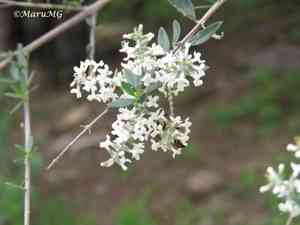
Recognized for its aromatic foliage and groupings of white blossoms, whitebrush flourishes in adequately drained substrates. Trimming ought to concentrate on excising deceased or compromised branches and sculpting the shrub to foster air circulation and light exposure. The ideal period for pruning is late winter or early spring while the plant is inactive. Pruning during these intervals reduces strain and encourages robust development. This upkeep can also incite more abundant flowering, elevating the plant's aesthetic value.
Advantages of Trimming Whitebrush
Advantages of Trimming Whitebrush
Trimming whitebrush promotes more abundant flowering and robust development by deterring pests and illnesses. This assists in keeping the plant at a preferred size and form, boosting its general vigor and visual appeal.
Optimal Period for Trimming Whitebrush
Optimal Period for Trimming Whitebrush
Trimming whitebrush in early spring aligns with the time just before the start of its active growth phase. This timing allows whitebrush to channel its energy into new growth soon after pruning, leading to a strong and healthier plant. Furthermore, pruning prior to the spring growth surge enables gardeners to easily spot and remove any dead or diseased wood without obstruction from full foliage. Winter is also a suitable time for pruning whitebrush, especially in areas with mild winters, as the plant is dormant. During dormancy, sap flow is reduced, minimizing stress and lowering the risk of disease transmission through pruning cuts. Winter pruning also prepares whitebrush for vigorous spring growth by shaping the plant and removing unproductive parts. Avoid pruning during flowering or fruiting periods to ensure optimal display and yield.
Required Tools for Trimming Whitebrush
Hand Pruners
Perfect for cutting stems and branches up to 3/4 inches in diameter, hand pruners are crucial for precise shaping and maintaining whitebrush's health, allowing for clean cuts without harming surrounding plant tissues.
Loppers
For branches thicker than hand pruners can manage, loppers offer the necessary leverage for branches up to 2 inches in diameter. Their long handles provide greater reach and force, making them ideal for shaping and managing whitebrush's growth.
Pruning Saw
For the thickest branches of whitebrush that need removal, a pruning saw is the preferred tool. It can cut through branches over 2 inches in diameter, ensuring efficient and safe removal of larger limbs that cannot be handled by hand pruners or loppers.
Hedge Shears
If whitebrush is cultivated as a hedge or requires extensive shaping, hedge shears can be used for efficient trimming and shaping over larger areas. They enable quick, even cuts and help maintain whitebrush's desired form.
Pruning Gloves
To safeguard hands from scratches and potential skin irritants while trimming whitebrush, wearing durable pruning gloves is advised. They ensure a firm grip on tools and reduce the chance of injury.
How to Trim Whitebrush
Sanitize Tools
Before trimming whitebrush, clean and sterilize all pruning implements. This prevents the spread of diseases among plants.
Remove Diseased Parts
Carefully remove any diseased leaves and branches from whitebrush using sharp, clean pruning shears. Ensure cuts are made at the base of the affected part without damaging healthy tissue.
Trim Dead Parts
Next, trim away dead branches and withered leaves. Cut these parts back to the healthy wood, ideally just above a bud or branching point on whitebrush.
Deadhead Flowers
Deadhead whitebrush by cutting off spent flowers. Make the cut above the first set of healthy leaves below the faded bloom to encourage new growth.
Shape Plant
Finally, shape whitebrush by selectively pruning excessive growth branches. Aim for a balanced, natural shape that promotes good air circulation and light penetration throughout the plant.
Common Trimming Errors with Whitebrush
Excessive Pruning
Removing too much foliage at once can stress whitebrush, leading to shock or stunted growth. As a general guideline, no more than one-third of the plant should be pruned at any single time to prevent over-pruning.
Incorrect Cuts
Cutting too close or too far from the main stem can harm whitebrush. Cuts that are too close can damage the collar, a natural protective area, while cuts that are too far can leave stubs that take longer to heal.
Ignoring Dead Material
Failure to remove dead or diseased branches can impede the plant's overall health and growth. Regular inspection and removal of unhealthy parts are crucial for whitebrush's well-being.
Tool Maintenance
Using dull or dirty tools can cause jagged cuts that are more susceptible to infection, negatively impacting whitebrush's health. Clean, sharp tools make precise cuts and help prevent disease transmission.
Neglecting Shape
Random pruning without considering whitebrush's natural shape can result in a less aesthetically pleasing appearance. Understanding the plant's growth pattern is important for maintaining its form.
General Trimming Advice for Whitebrush
Selective Thinning
Identify and remove only the older stems to encourage new growth, improve air circulation, and allow light to reach the plant. This selective thinning ensures whitebrush's vitality and flowering.
Promote Flowering
Prune old flower spikes just above new bud sites to stimulate more blooms. Carefully snipping away spent blossoms will encourage whitebrush to produce additional fragrant flowers.
Shape And Size
Gently shape whitebrush during pruning to control its size and appearance. Cutting back erratic growth helps maintain the desired form and encourages denser foliage.
Rejuvenation
If whitebrush has become woody or overgrown, implement rejuvenation pruning. Remove older stems to ground level, allowing space for vigorous, younger stems to flourish.
Hygienic Practices
Disinfect all pruning tools with a solution of 1 part bleach to 9 parts water to prevent the spread of pathogens. Clean cuts and sanitary practices promote the health of whitebrush.



