How to Propagate Whitebrush?
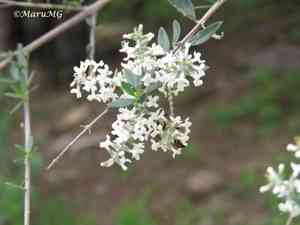
Whitebrush can be successfully multiplied using stem sections. To achieve robust growth, make sure to collect cuttings from strong, thriving stems. The severed ends ought to be coated in a rooting compound prior to insertion into a porous soil blend. Sustaining adequate hydration without excessive watering is vital for the formation of roots. This method enables cultivators to reliably reproduce the advantageous characteristics of whitebrush.
Optimal Period for Whitebrush Propagation
Propagation Method
Cutting
Propagation Season
Autumn,Winter
Tools Required for Whitebrush Propagation
Sharp pruning shears
These are crucial for making clean, precise cuts on whitebrush, which helps prevent harm to the parent plant and boosts the likelihood of successful rooting in the cuttings. The sharp blades ensure the cut is made without crushing plant tissues, vital for the health and viability of both the cutting and the parent plant.
Rooting hormone powder or gel
This aid promotes quicker and more dependable root formation in whitebrush's cuttings. By dipping the cut end of the cutting into the hormone, the natural rooting process is enhanced, increasing propagation success and ensuring robust initial root growth, which is essential for the stability and health of new plants. It particularly benefits whitebrush due to its semi-hardwood cutting nature.
Clean pots or propagation trays
Used for planting the prepared cuttings, these must be sterile to prevent disease transmission. They provide a controlled environment for whitebrush's growth during the delicate initial stages of root development.
Well-draining potting mix
Crucial for whitebrush's cuttings, as it prevents waterlogging, a condition that could lead to root rot or fungal diseases. A mix that allows air and moisture to circulate easily supports healthy root growth and is critical during the early stages of propagation.
Plastic covers or mini-greenhouses
These tools create a humid microenvironment vital for whitebrush cuttings to survive and root successfully. They maintain appropriate humidity and temperature, important factors in encouraging root development and preventing the cuttings from drying out before they establish roots.
How to Propagate Whitebrush?
Propagation Type
Moderately Difficult
Caring for Your Newly Propagated Whitebrush
Caring for Your Newly Propagated Whitebrush?
Once whitebrush has developed roots and begins to show new growth, gradually introduce it to less humid conditions by removing the plastic cover or dome. Continue to keep the plant in bright, indirect light and water regularly, allowing the soil to dry out slightly between waterings. Whitebrush can be transplanted to a larger pot or directly into the garden once it has outgrown its initial pot. Provide regular light pruning to promote bushier growth and enhance air circulation around the plant.
Common Errors to Avoid When Propagating Whitebrush
Overwatering
Excessive watering of whitebrush can lead to root rot, which is detrimental to the health of the cuttings or seeds. Too much moisture reduces the oxygen available to the roots, hindering their growth and making them susceptible to disease.
Excess sun exposure
Exposing whitebrush to too much direct sunlight during the initial propagation phase can cause scorching and dehydration, especially for new cuttings that are vulnerable and not yet established.
Neglecting soil quality
Using substandard soil when propagating whitebrush can hinder the plant's growth. A medium that lacks essential nutrients or has inadequate drainage can prevent cuttings from rooting effectively.
Deep planting
Planting whitebrush seeds or cuttings too deeply can impede their ability to sprout or root, as they might not be able to break through the surface or may be deprived of essential light and air.
Ignoring humidity levels
Failing to maintain adequate humidity during the propagation of whitebrush can cause the cuttings to lose moisture quickly, hampering root formation and overall growth.
Advice for Propagating Whitebrush
Moderate watering
Provide whitebrush with consistent, moderate watering. Keeping the soil moist without waterlogging it supports healthy root development without the risk of rot.
Indirect light
Place whitebrush in bright, indirect light. This ensures that the plant receives enough light for photosynthesis without the harsh effects of direct sunlight during the vulnerable propagation phase.
Soil quality
Use a high-quality, well-draining soil mix for whitebrush, enriched with organic matter. This supports root growth and provides essential nutrients for the developing plants.
Shallow planting
Plant whitebrush seeds or position cuttings shallowly, ensuring that they are just beneath the soil surface. This allows for easier sprouting and rooting, and encourages stronger growth.
Humidity control
Maintain high humidity around whitebrush, especially for cuttings. Using a humidity dome or misting regularly can prevent desiccation and promote a more conducive environment for rooting.



