Enhancing Your Garden Design with the Whitebrush Plant: A Landscaping Guide
1
Whitebrush tolerates dry conditions well, making it perfect for easy-care landscapes.
2
Whitebrush draws in beneficial insects, boosting the variety of life in your outdoor space.
3
Whitebrush serves as an excellent natural barrier or edge in garden designs.
Understanding the Role of Whitebrush in Landscaping
Why Whitebrush is a Great Choice for Gardens
Whitebrush is a versatile plant offering numerous garden benefits. It's particularly valued for drought tolerance, making it ideal for low-maintenance landscapes. This resilient plant thrives in various soil types and needs minimal water once established. Furthermore, Whitebrush withstands high temperatures, advantageous for hotter climates. Incorporating Whitebrush means choosing a hardy, reliable, and attractive plant that provides lasting value.
The Aesthetic Appeal of Whitebrush
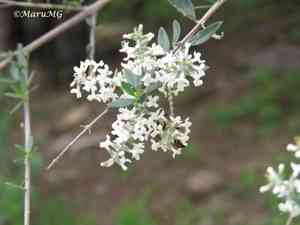
Whitebrush's visual charm comes from its delicate white flowers and their gentle aroma. Its blossoms contrast beautifully with rich green foliage, enhancing any garden's aesthetic. Whitebrush can be a standalone feature or integrated into mixed borders for texture and color. Its understated elegance suits various garden styles, from modern minimalist to traditional cottage. Consistent bloom cycles ensure Whitebrush remains stunning throughout the growing season.
Environmental Benefits of Planting Whitebrush
Beyond aesthetics and practicality, Whitebrush significantly supports the environment. It attracts diverse pollinators, including bees, butterflies, and other beneficial insects, crucial for garden biodiversity. Additionally, Whitebrush helps control soil erosion with its extensive root system, stabilizing soil and preventing nutrient loss. Its presence also reduces the urban heat island effect by providing shade and increasing green cover.
Planning Your Garden with Whitebrush
Choosing the Right Location for Whitebrush
Selecting the appropriate spot for Whitebrush is crucial for its growth and health. Ideally, plant Whitebrush where it receives full sun to partial shade. Ensure the site has well-draining soil to prevent waterlogging, which can harm the plant. Consider planting Whitebrush in areas needing less frequent watering, as it thrives in drier conditions. Also, think about your garden's overall layout and how Whitebrush will integrate with other elements for a cohesive design.
Companion Plants for Whitebrush
When pairing Whitebrush with other plants, choose species with similar water and sunlight needs. Good companions include other drought-tolerant plants like lavender, salvia, and yucca. Mixing Whitebrush with plants having complementary bloom times can create continuous flower displays. Additionally, combining Whitebrush with taller shrubs or trees adds layers to your garden, enhancing depth and visual interest. By selecting the right companions, you can create a balanced and harmonious garden ecosystem.
Layout Ideas for Integrating Whitebrush in Your Garden
There are many ways to incorporate Whitebrush into your garden design. For a natural look, plant Whitebrush in informal groupings along borders or pathways. For a more structured design, consider using Whitebrush as a hedge or screen. Its dense foliage provides privacy and acts as a natural boundary. For smaller spaces, Whitebrush can be grown in containers for vertical interest and mobility. Regardless of the layout, ensure the planting scheme enhances Whitebrush's natural beauty and complements your garden's overall aesthetic.
Maintaining Whitebrush in Your Landscape
Seasonal Care Tips for Whitebrush
To ensure Whitebrush's healthy growth, follow seasonal care routines. In spring, apply a balanced fertilizer to encourage new growth. During summer, water deeply and infrequently, allowing soil to dry between waterings. In colder seasons, especially in frost-prone areas, mulch around Whitebrush's base to protect its roots. Regularly check for pests and diseases, addressing issues promptly to prevent long-term damage.
Pruning and Managing Growth
Pruning is essential for Whitebrush's health and aesthetic appeal. Trim dead or damaged branches to maintain shape and encourage new growth. Regular pruning also prevents overcrowding and improves air circulation. Ideally, prune Whitebrush in late winter or early spring before new growth begins. By managing its growth, you ensure Whitebrush remains a vibrant and integral part of your garden landscape.
Long-Term Health and Vigor of Whitebrush
Maintaining Whitebrush's long-term health and vigor involves consistent care and monitoring. Ensure the plant receives adequate sunlight and isn't overwatered, which can lead to root rot. Periodically amend the soil with organic matter to maintain fertility and structure. Additionally, watch for signs of nutrient deficiency or pest infestations, addressing them promptly. With proper care, Whitebrush can thrive for many years, continuing to enhance and beautify your garden landscape.
Creative Uses of Whitebrush in Landscape Design
Decorative Ideas with Whitebrush
There are countless ways to use Whitebrush decoratively in your garden. Plant it in clusters to create a lush, fragrant focal point. Alternatively, use Whitebrush along walkways for a visually appealing and aromatic path. You can also incorporate Whitebrush into flower beds where its white blooms will contrast beautifully with colorful perennials. Whitebrush's flexibility allows it to fit seamlessly into various garden styles and designs.
Incorporating Whitebrush in Themed Gardens
Themed gardens are an excellent way to showcase Whitebrush's unique characteristics. Its drought tolerance makes it perfect for xeriscape gardens, focusing on water conservation. Whitebrush can also be a key component in a pollinator garden, attracting beneficial insects. If you have a sensory garden, its aromatic foliage adds another layer of sensory experience. By aligning Whitebrush with specific garden themes, you highlight its strengths and enhance the overall design.
Using Whitebrush as a Natural Border or Screen
Whitebrush's dense foliage and moderate height make it an excellent choice for natural borders or screens. Planting Whitebrush along property lines or garden edges creates privacy and defines spaces within your landscape. Its ability to form thick hedges makes it a practical and attractive alternative to traditional fencing. Additionally, using Whitebrush as a border plant helps delineate garden areas while adding beauty and fragrance. This natural approach to landscaping enhances privacy and contributes to a cohesive and harmonious garden design.



