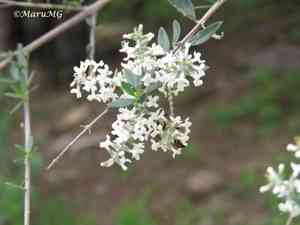
Whitebrush (Aloysia gratissima)
Also known as: Beebrush, Texas whitebrush
Oleander (Nerium oleander) is an aromatic shrub that draws bees and butterflies. While its beauty makes it a popular choice for fragrant garden ornamentals in warm and tropical regions, it's important to note that this plant is toxic to horses and mules.
In This Article
Attributes of Whitebrush
Lifespan
Perennial
Plant Type
Shrub
Plant Height
3 m
Spread
90 cm to 3 m
Leaf Color
Light Green
Flower Size
Approximately 0.2 inches (0.5 cm)
Flower Color
White
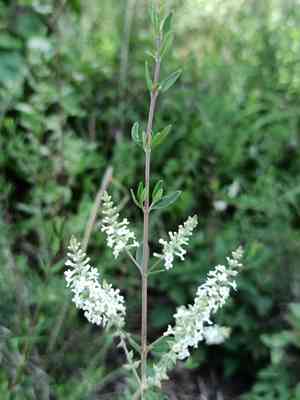
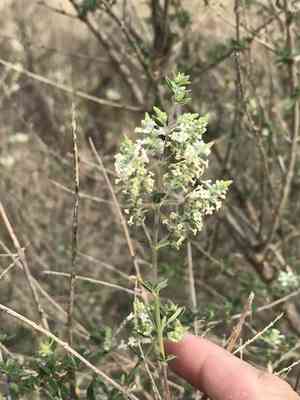
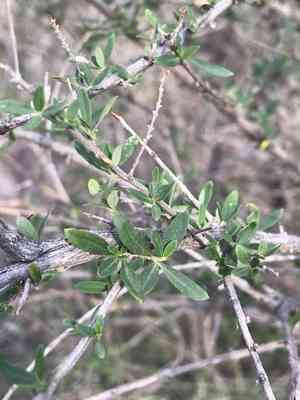
Images of Whitebrush
Quickly Identify Whitebrush
1
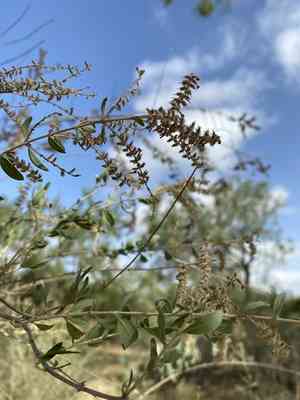
Aloysia gratissima can be identified by its small, white, and highly fragrant flowers, which appear in clusters. The leaves are narrow, elliptical, and typically light green in color. The plant often has a bushy, dense growth habit.
Scientific Classification of Whitebrush
Phylum
Vascular plants
Class
Dicotyledons
Order
Lamiales
Family
Verbena
Genus
Beebrushes
Species
Whitebrush
Planting and Growing of Whitebrush
Care Difficulty
Easy
Watering Schedule
Every 2 days
Sunlight Requirements
Full sun
Sunshine Duration
6-10 hours
Ideal Temperature
65-85℉
Soil Type
Potting Mix, Peat Mix
Soil pH
6.5-7.5
Fertilizer Type
Balanced
Pruning Season
Spring, Summer
Pruning Area
Branches, Leaves
Pruning Frequency
2 times a year
Repotting Season
Spring
Pot Type
Plastic, Ceramic
 How to Water Whitebrush?
Aloysia gratissima, known for its fragrant blooms, should receive approximately 500 ml of water each session. The goal is to keep the soil consistently moist but not waterlogged. Allow the top couple of inches to dry out between waterings as a guiding principle.
What are the symptoms of an underwatered Whitebrush?
›
What should I do if my Whitebrush is not getting enough water?
›
What are the symptoms of an overwatered Whitebrush?
›
How to save an overwatered Whitebrush?
›
 What Are the Sunlight Requirements for Whitebrush?
Prefers full sun but tolerates partial sun; ideal light conditions promote full foliage growth and maximize flowering potential, enhancing aesthetic appeal and plant vitality.
More About Sunlight Requirements Techniques→
What is the ideal lighting condition for Aloysia gratissima?
›
How can you ensure Aloysia gratissima gets ideal lighting?
›
What are the benefits of ideal lighting for Aloysia gratissima?
›
 What Is the Ideal Temperature Range for Whitebrush?
Aloysia gratissima thrives best in environments where temperatures are consistently between 65°F and 85°F. This range ensures optimal physiological processes, including photosynthesis and nutrient uptake, are not disrupted. Maintaining temperatures within this range can promote healthy growth and flowering for this aromatic shrub.
 What Soil is Best for Whitebrush?
Aloysia gratissima thrives best in well-drained soil conditions as these prevent stagnant water around its roots, which could lead to root rot and other fungal diseases. The plant benefits from nutrient-rich soil, providing essential minerals and organic matter that support healthy growth and vibrant foliage. While it prefers well-draining soil, adequate moisture retention helps maintain necessary hydration levels, especially during dry spells.
 How to Fertilize Whitebrush?
Aloysia gratissima responds best to a balanced fertilizer with an NPK ratio of 10-10-10. For liquid fertilizer, use approximately 1 tablespoon per gallon of water, ensuring even distribution throughout the soil around the plant's base.
 How to Prune Whitebrush?
To begin pruning Aloysia gratissima, use sharp and clean pruning shears to make precise cuts. Start by removing any dead, damaged, or crossing branches to improve air circulation and remove potential disease risks. Then, trim back about one-third of the plant's height, focusing on cutting just above a leaf node to encourage new growth. This not only keeps the plant’s shape neat but also promotes a fuller growth pattern. For shaping, Aloysia gratissima benefits from light shaping cuts throughout the growing seasons. Aim to maintain a consistent shape and size, allowing for a well-rounded or bushy appearance. Avoid aggressive cutting as it may stress the plant. Regular maintenance through pruning keeps the plant healthy, aesthetically pleasing, and helps banish any pest infestations or infections.
More About Pruning Techniques→
 How to Propagate Whitebrush plant?
1
Choose a robust and healthy parent plant to take cuttings from. Ensure the plant is disease-free and vigorous for the best chances of successful propagation.
2
Cut a 4-6 inch section of stem from the parent plant. Ensure the cutting is taken just below a node, and remove any flowers or buds to direct energy to root growth.
3
Dip the cut end in rooting hormone, and plant it in a well-draining potting mix. Keep the soil consistently moist, and cover with a plastic dome to retain humidity.
 How to Repot Whitebrush plant?
1
Aloysia gratissima should be repotted when you begin to notice that its growth has become stunted or the roots are visible through the drainage holes. Spring and early summer are ideal times as it allows the plant to recover more quickly. Also, if the potting soil is compacted and losing its efficiency, that's another signal to repot.
2
Select a pot that is one size larger than the current one. Ensure it has adequate drainage holes to prevent waterlogging. A terracotta pot can be an excellent choice due to its breathability, which aids in keeping the roots healthy and avoids root rot.
3
A well-draining potting mix is essential for Aloysia gratissima. This should include components like perlite or sand to enhance aeration. The benefits include preventing water from accumulating at roots, thus reducing the risk of diseases and promoting healthy root growth.
Learn More About Whitebrush Diseases
Anthracnose
Bacterial Leaf Spot
Bacterial Soft Rot
Bacterial Wilt
Black Spot
Chemical Injury
Crown Gall
Damping-off
Drought Stress
Fusarium Wilt
Gray Mold
Leaf Spot
Mosaic
Nutrient Deficiency
Nutrient Toxicity
Powdery Mildew
Root Rot
Root-knot Nematode
Rusts
Sooty Mold
Spider Mites
Temperature Stress
Thrips Damage
White Mold



