How to Transplant White Alder?
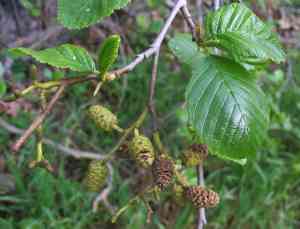
The most favorable period for relocating white Alder is as spring flowers yield to the heat of summer, allowing roots to establish prior to the onset of colder seasons. Select a location offering dampness and dappled sunlight. Careful manipulation aids white Alder's adjustment to its new environment.
What Preparations are Needed Before Transplanting White Alder?
What is the Ideal Time for Transplanting White Alder?
The best time to move white Alder is from late spring to early summer. This period allows white Alder roots to settle in favorable conditions, benefiting from longer days and mild temperatures. By choosing this window, you provide white Alder with a smooth transition, enhancing its resilience and encouraging strong growth. It's a smart decision that aligns with nature's cycle, promoting a healthy start for white Alder.
How Much Space Should You Leave Between White Alder Plants?
When relocating your white Alder, aim for comfortable spacing between each plant. Approximately 15-20 feet (4.6-6 m) apart is ideal, providing them ample room to thrive!
What is the Best Soil Mix for White Alder Transplanting?
For your white Alder, well-draining loamy soil will be perfect! Before planting, incorporate an all-purpose slow-release fertilizer to give them a robust beginning.
Where Should You Relocate Your White Alder?
Your white Alder prefers a sunny spot with some afternoon shade. Select a location that receives sunlight for most of the day, ensuring your green companion grows strong and healthy!
What Equipments Should You Prepare Before Transplantation White Alder?
Gardening Gloves
To safeguard your hands while handling soil and plants.
Shovel or Spade
For excavating the plant and creating a new planting site.
Garden Fork
To loosen the earth around the plant's root system.
Pruning Shears
To trim any damaged roots or branches.
Wheelbarrow or Tarp
For moving the plant and soil.
Watering Can or Hose
To hydrate the plant before and after relocation.
Stake or Plant Support
To stabilize the white Alder if needed post-transplant.
How Do You Remove White Alder from the Soil?
How Do You Remove White Alder from the Soil?
From Ground: First, water the white Alder plant to moisten the soil. Then, use a garden fork to loosen the soil and a shovel or spade to dig a wide trench around the plant. Ensure the trench's diameter is large enough to avoid root damage. Gently work the spade beneath the root ball and carefully lift the plant from the ground.From Pot: Begin by watering the white Alder plant in its container to make the soil damp. Tilt the pot sideways and gently tap it to loosen the root ball. Use your hand to support the plant as you carefully slide it out of the pot.From Seedling Tray: Water the seedlings to ensure the soil is moist. Use a spoon or a small tool to carefully lift the individual white Alder seedlings, making sure to preserve as much of the root system as possible.
Step-by-Step Guide for Transplanting White Alder
Preparation
Gather all necessary tools and thoroughly water the white Alder plant a few hours prior to transplanting to reduce stress and minimize leaf transpiration during the process.
Root Pruning
Examine the plant's roots for any indications of disease or damage. Use pruning shears to snip away any roots that are dead, broken, or tightly circling.
Digging Hole
At the new site, excavate a hole that is twice as wide and the same depth as the white Alder's root ball.
Placing Plant
Carefully position the white Alder in the center of the hole. Ensure the top of the root ball is level with the surrounding ground to prevent burying the stem or trunk too deeply.
Filling Hole
Backfill the hole with the excavated soil, gently tamping it down around the roots to eliminate air pockets. Water thoroughly to settle the soil around the root ball.
Stabilizing Plant
If the white Alder is tall or unstable, use a stake or plant support to keep it upright. Tie the plant to the support with soft material that won't damage the bark.
How Do You Care For White Alder After Transplanting?
Immediate Watering
After transplanting, water the white Alder generously to settle the soil around the roots and to help alleviate transplant shock.
Mulching
Apply a layer of mulch around the base of the white Alder to retain moisture, regulate soil temperature, and reduce weed competition, keeping the mulch a few inches away from the stem or trunk to prevent rot.
Monitoring for Pests
Regularly inspect the white Alder for signs of pests or diseases, as it may be more vulnerable to issues immediately after being transplanted.
Regular Watering
For the initial year after transplanting, ensure the white Alder receives sufficient water, as its root system will not yet be extensive.
Stake Adjustment
Monitor and adjust stakes and ties as the white Alder grows to prevent stem damage and allow for movement, which promotes stronger stem development.
Troubleshooting Common Issues with White Alder Transplantation.
Why is my white Alder wilting after transplanting?
Post-transplant wilting can be due to water stress. Ensure consistent moisture without overwatering. A 2-inch (5 cm) layer of mulch can help maintain soil moisture.
How far apart should I plant white Alder saplings?
Aim for optimal spacing between white Alder saplings: approximately 15-20 feet (4.5-6 meters) to provide each plant ample growing space and reduce competition.
What's the best time to transplant white Alder?
Transplant white Alder during the active growth phase of late spring through early summer for best establishment before colder months.
How deep should I plant white Alder's root ball?
Plant the root ball level with the soil surface, ensuring it's not too deep to prevent stem rot or too shallow, which can dry out roots.
Can I prune white Alder when transplanting?
Moderate pruning of damaged or excessive growth promotes health. However, preserve most of the canopy to aid photosynthesis and recovery.
My white Alder shows leaf discoloration post-transplant. Why?
Leaf discoloration often indicates transplant shock. Ensure adequate water and avoid fertilizer until established to support recovery.
Should I amend the soil when transplanting white Alder?
Yes, enrich the soil with organic matter to improve its structure and nutrient content, assisting white Alder's root establishment.
How often should I water white Alder after transplanting?
Water white Alder deeply once a week, allowing the soil to dry slightly between waterings to encourage root growth and prevent waterlogging.
What should I do if white Alder isn't growing after transplant?
Be patient, as white Alder may experience transplant shock. Maintain consistent care, and assess for proper sunlight, water, and soil conditions.
Do I need to stake white Alder after transplanting?
Staking can be beneficial if white Alder is tall or in a windy location. Use stakes temporarily to stabilize until roots establish.



