The White Alder Plant Advantage: Maximizing Home and Office Appeal and Wellness
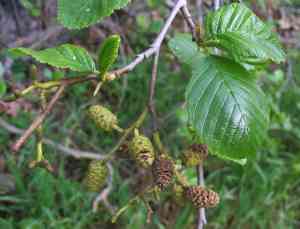
1
White Alder is recognized for its capacity to enhance ground conditions via nitrogen fixation.
2
The existence of White Alder aids in preventing soil degradation along waterways.
3
Cultivating White Alder offers a home for animals and boosts ecological variety.
How Does White Alder Improve Soil Quality?
Nitrogen Fixation
A key advantage of White Alder is its capacity to enhance soil quality via nitrogen fixation. Its roots form a symbiotic bond with Frankia bacteria, which convert atmospheric nitrogen into a plant-usable form. This process enriches the soil with nutrients, boosting its fertility and supporting other plant growth. Consequently, White Alder is often utilized in reforestation and soil restoration projects.
Organic Matter Contribution
Beyond nitrogen fixation, White Alder's leaf litter adds organic matter to the soil. As leaves decay, they return vital nutrients to the ground, further improving soil structure and richness. This added organic material also increases the soil's water retention ability, making it more resilient during dry spells.
Can White Alder Help Prevent Soil Erosion?
Root System Structure
White Alder's root system is both extensive and fibrous, making it highly effective at stabilizing soil. When planted along waterways, White Alder helps anchor the soil, preventing erosion from water flow. This is especially beneficial in flood-prone areas, where soil loss can lead to significant land degradation.
Protecting Water Quality
In addition to preventing soil erosion, White Alder aids in safeguarding water quality. The plant acts as a natural filter, removing sediments and pollutants before they enter water bodies. This ensures that rivers and streams remain clearer and healthier, benefiting aquatic life and human communities relying on these water sources.
What Role Does White Alder Play in Biodiversity?
Habitat Provision
White Alder serves as a crucial habitat for various wildlife species. Birds, insects, and small mammals find shelter and sustenance among its branches and foliage. The plant's presence increases habitat complexity, offering niches for different species and contributing to overall ecosystem biodiversity.
Promoting Pollinators
Furthermore, White Alder benefits pollinators like bees and butterflies. Its flowers attract these essential insects, assisting in the pollination process. This not only supports White Alder's own growth but also aids surrounding plant species, fostering a more diverse and healthy ecosystem.
Is White Alder Beneficial for Climate Regulation?
Carbon Sequestration
White Alder plays a significant role in climate regulation through carbon sequestration. The plant absorbs carbon dioxide from the atmosphere and stores it in its biomass. This process helps reduce overall carbon levels in the air, combating climate change and its associated impacts.
Moderating Local Climate
Additionally, White Alder can moderate local climates by providing shade and releasing water vapor through transpiration. This creates a cooling effect, making surrounding areas more comfortable, especially during hot weather. The presence of White Alder can be particularly advantageous in urban and suburban environments where heat islands are a concern.
How Does White Alder Contribute to Watershed Health?
Flood Mitigation
White Alder is valuable for its role in flood mitigation within watersheds. By stabilizing riverbanks and reducing soil erosion, White Alder helps maintain the integrity of the watershed. This ultimately leads to less severe flooding events and more consistent water flow, which protects both natural landscapes and human settlements.
Nutrient Cycling
Moreover, White Alder contributes to nutrient cycling within the watershed. The plant's ability to fix nitrogen and add organic matter to the soil promotes nutrient availability for other plants. This creates a more balanced and productive ecosystem, supporting the health of the entire watershed.



