How to Prune White Alder?
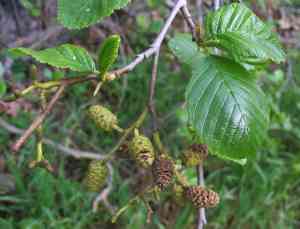
Originating from damp riverbanks, white Alder flourishes in waterside environments. Perform pruning in late winter or early spring while the plant is inactive to encourage robust development and form. Eliminate any lifeless, ailing, or intersecting branches to preserve its well-being. Reducing the density of the crown improves light access and airflow, contributing to its general vigor. Trim juvenile trees to cultivate a singular main stem and avert potential structural problems later on. Consistent trimming additionally stimulates energetic new growth and manages height for visual appeal in the landscape.
What Are the Benefits of Pruning White Alder?
What Are the Benefits of Pruning White Alder?
Trimming white Alder promotes robust development and helps maintain its desired form. Strategic cuts can stimulate new, healthy branches and leaves, while shaping fosters an attractive silhouette that enhances landscape design.
What Is the Best Time for Pruning White Alder?
What Is the Best Time for Pruning White Alder?
Pruning white Alder in late winter or early spring is optimal as this period aligns with the plant's dormant phase, minimizing sap loss and stress. This timing also precedes the rapid spring growth spurt, allowing the plant to recover quickly from cuts and direct energy into new growth. Pruning before new growth emerges enables gardeners to shape the plant and remove any dead, damaged, or diseased wood without the risk of spreading pathogens that are more active in warmer temperatures. It also avoids cutting off buds that will become the season's leaves or flowers, thus not affecting natural flowering or fruiting cycles.
What Tools Do I Need to Prune White Alder?
Hand Pruners
Perfect for making clean cuts on twigs and small branches of white Alder up to 3/4 inches thick. Opt for bypass pruners for live wood to ensure healthy regrowth.
Loppers
For larger branches of white Alder that are up to 1 1/2 to 2 inches in diameter, loppers provide the necessary leverage and reach.
Pruning Saw
Essential for cutting through branches thicker than 2 inches. Use a curved blade saw for increased efficiency and cleaner cuts on white Alder.
Hedge Shears
These are useful for shaping and trimming back the smaller twigs and foliage of white Alder, ensuring a neat appearance.
Pole Pruner
For higher branches on white Alder, a pole pruner allows for safe trimming without the need for a ladder.
How to Prune White Alder
Clean tools
Before starting, sanitize pruning tools to prevent the spread of disease to white Alder. Use a solution of 1 part bleach and 9 parts water to clean blades.
Inspect
Examine white Alder for dead or diseased branches, which may be discolored, have abnormal growths, or lack healthy foliage. Mark these for removal.
Cut dead branches
Remove dead branches by cutting at the base where they join a larger limb or the trunk. Use sharp pruning shears or a saw, depending on thickness, cutting cleanly to avoid tearing the bark of white Alder.
Cut diseased branches
Prune diseased branches by making cuts 6-12 inches into healthy wood to ensure all diseased parts are removed from white Alder. Disinfect tools after each cut to prevent further spread.
Dispose
Properly dispose of all removed dead or diseased branches. Do not compost as diseases from white Alder could spread. Burn or trash according to local regulations.
Common Pruning Mistakes with White Alder
Overpruning
Removing too much foliage can stress white Alder, leading to reduced vigor and potential dieback. Typically, removing more than one-third of a plant's overall volume in a single season is inadvisable.
Improper Cutting Technique
Incorrect cutting can cause tearing of bark or poorly healed wounds. Clean cuts made at the right angle and position on the branches are essential to prevent damage.
Pruning Healthy Growth
Unnecessarily pruning back new, healthy growth can inhibit the natural shape and growth patterns of white Alder, thus impacting its overall health and aesthetic.
Ignoring Crossed or Rubbing Branches
Failing to remove branches that cross or rub against each other can lead to wounds and infections. Such branches should be pruned to maintain plant health.
Pruning Without Sharpened Tools
Using dull tools can create jagged cuts that are more susceptible to pest infestation and disease, and can damage white Alder's branches.
Common Pruning Tips for White Alder
Sanitization
Sterilize pruning tools before and after use on white Alder to prevent the spread of disease. Use a solution of one part bleach to nine parts water or use rubbing alcohol.
Selective Thinning
Thin out dense areas to improve air circulation and light penetration, which supports healthy growth and reduces disease risk in white Alder.
Cutting Angles
Make cuts at a 45-degree angle, about 1/4 inch above a bud that faces the outside of the plant. This encourages outward growth and prevents water from collecting on the cut surface.
Protecting the Collar
When removing larger branches, do not cut too close to the trunk to avoid damaging the branch collar. Proper cuts encourage faster and healthier healing.
Maintenance Pruning
Regularly remove dead, diseased, or damaged wood to maintain white Alder's health and appearance. This helps to prevent the spread of decay and pests.



