How to Propagate White Alder?
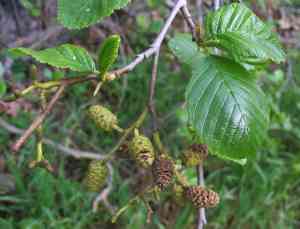
White Alder flourishes when reproduced via cuttings. To achieve the best outcomes, choose robust, established stems and execute a precise incision. A rooting stimulant can boost success rates by fostering more vigorous root formation. Verify that the cuttings are placed in adequately draining substrate and sustain steady hydration without saturating the soil. Supplying a consistent setting with diffused illumination encourages strong development.
Optimal Time for White Alder Propagation
Propagation Type
Cutting
Propagation Season
Autumn,Winter
Tools for White Alder Propagation
Sharp Pruning Shears
Essential for taking cuttings, sharp pruning shears are crucial to make clean and precise cuts on white Alder's semi-hardwood branches. A clean cut helps prevent disease and encourages quicker healing and rooting.
Rooting Hormone
This product stimulates root growth from cuttings of white Alder. Applying rooting hormone to the cut end of the branch before planting enhances the chances of successful rooting, which is vital for white Alder considering it does not root as readily as some other species.
Sterile Potting Mix
A sterile, well-draining potting mix provides an ideal environment for the rooting of white Alder cuttings. It reduces the risk of fungal or bacterial infections, which can be detrimental during the sensitive phase of root development.
Propagation Tray
To maintain optimal moisture and temperature conditions for the rooting of white Alder's cuttings, a propagation tray can be used. Covering the tray with a lid or plastic wrap can create a mini greenhouse effect, favoring root development.
Heating Mat
Given that white Alder's cuttings root more successfully within specific temperature ranges, a heating mat can be used to regulate the soil temperature, thus promoting better root growth and improving overall propagation success.
White Alder Propagation Difficulty
Propagation Type
Moderately Difficult
Post-Propagation Care for White Alder
How to Care for Your Newly Propagated White Alder?
After propagation, plant white Alder in a location that receives full to partial sunlight and has well-draining soil. Regular watering is vital, especially during dry periods, to support growth. Prune periodically to promote a strong, healthy structure and check frequently for pests and diseases. Mulching around the base can help retain soil moisture and suppress weeds.
Common Mistakes to Avoid When Propagating White Alder
Overwatering
Excessive moisture can lead to root rot in white Alder, as this species prefers well-drained soil. Overwatering may also encourage fungal infections, which compromise the plant's overall health and hinder successful propagation.
Deep planting
Planting white Alder's cuttings or seeds too deeply can restrict oxygen availability and inhibit root development, which is crucial for successful establishment and growth.
Ignoring humidity needs
White Alder is adapted to environments with a certain level of ambient moisture. Ignoring the requirement for moderate humidity during the initial rooting phase can lead to dehydration and poor root development.
Tips For Propagating White Alder
Use of rooting hormone
Applying a rooting hormone to white Alder's cuttings helps stimulate root growth, increasing the chances of successful propagation by encouraging quicker establishment.
Providing indirect light
White Alder benefits from exposure to bright, indirect light during the initial stages of propagation. This helps mimic the understorey conditions where white Alder naturally thrives, supporting healthier growth.
Regular misting
Misting white Alder's cuttings regularly helps maintain an optimal humidity level, crucial for encouraging root development and preventing the cuttings from drying out during the critical early stages.



