How to Transplant Drummond's Onion?
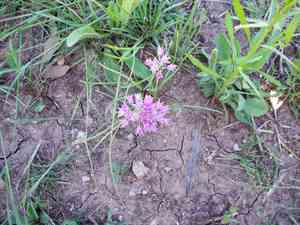
For drummond's Onion, the ideal period for relocation is during the mild, pleasant days at the transition from late spring to early summer. Select a well-lit location with effective water runoff, and contemplate amending the earth to provide your drummond's Onion with an excellent new environment.
What Preparations are Needed Before Transplanting Drummond's Onion?
What is the Ideal Time for Transplanting Drummond's Onion?
The optimal period for relocating drummond's Onion spans from early spring's bloom to the start of summer, promoting maximum growth under gentle conditions favorable for root establishment.
How Much Space Should You Leave Between Drummond's Onion Plants?
Hello, gardening enthusiast! Before settling your drummond's Onion into its new spot, ensure each plant has sufficient room. Aim for a comfortable spacing of approximately 4-6 inches (10-15 cm) apart. This allows them to expand and thrive without competing for vital resources.
What is the Best Soil Mix for Drummond's Onion Transplanting?
Your drummond's Onion will flourish in soil that drains well and is rich in organic matter. Prior to planting, incorporate some compost or a balanced, slow-release fertilizer to create a nourishing foundation. This initial feeding provides your plants with the necessary boost for robust development.
Where Should You Relocate Your Drummond's Onion?
Sunlight is crucial for drummond's Onion. Select a bright location where your plants can receive at least 6 hours of direct sunlight daily. Full sun exposure will help your drummond's Onion grow strong and healthy – consider it their daily dose of vitality!
What Equipments Should You Prepare Before Transplantation Drummond's Onion?
Gardening Gloves
To safeguard your hands while handling soil and plants.
Shovel or Spade
For digging and moving drummond's Onion.
Watering Can or Hose
To hydrate the drummond's Onion before and after its relocation.
Garden Fork
To assist in loosening the soil around the drummond's Onion's root system.
Trowel
For more precise excavation, especially in confined areas.
Wheelbarrow
To transport the drummond's Onion and soil if required.
Pruning Shears
For trimming any dead or excess plant parts prior to transplanting.
How Do You Remove Drummond's Onion from the Soil?
How Do You Remove Drummond's Onion from the Soil?
From Ground: First, water the drummond's Onion plant to moisten the soil. Next, dig a wide trench around the plant using a shovel or spade, ensuring the plant's root ball remains intact. Carefully work the spade beneath the root ball to lift the plant from its original spot.From Pot: Water the drummond's Onion plant to make the soil damp and easier to manage. Gently tap and squeeze the pot's sides to loosen the root ball. Tilt the pot sideways and carefully slide the plant out, supporting its base and stem.From Seedling Tray: Water the seedlings to dampen the soil. Use a trowel or your fingers to gently lift each drummond's Onion from the tray, taking care not to harm the delicate roots.
Step-by-Step Guide for Transplanting Drummond's Onion
Prepare New Location
Before extracting drummond's Onion from its current position, prepare the new site by loosening the soil and digging a hole that is twice as wide and equally deep as the plant's root ball.
Digging Up drummond's Onion
Using the shovel or garden fork, carefully dig around the plant. Begin a good distance from the stem to avoid root damage and gradually work closer until the plant can be gently lifted from the soil.
Root Pruning (if necessary)
Inspect the root ball. If roots are tightly packed or circling, use pruning shears to lightly trim them, encouraging new growth post-transplant.
Placing drummond's Onion in New Location
Gently lower drummond's Onion into the prepared hole. The plant's base should be level with the surrounding ground. Fill in around the plant with soil, lightly firming it down to eliminate air pockets.
Water Thoroughly
Once drummond's Onion is in place, water the plant deeply to settle the soil and ensure good root-to-soil contact. Continue thorough watering for several days to aid root establishment.
How Do You Care For Drummond's Onion After Transplanting?
Regular Watering
Pay close attention to watering needs, as drummond's Onion will require consistent moisture to help alleviate transplant stress. Avoid allowing the soil to dry out between waterings during the initial period.
Mulching
Apply a layer of organic mulch around the base of drummond's Onion to help retain moisture, stabilize soil temperature, and reduce weed competition.
Observation
Monitor drummond's Onion for signs of stress such as wilting or yellowing leaves. A quick response can resolve issues before they become severe.
Pest and Disease Monitoring
Regularly check for pests and disease symptoms, as drummond's Onion may be more vulnerable during the first few weeks after transplanting.
Troubleshooting Common Issues with Drummond's Onion Transplantation.
When is the best time to transplant drummond's Onion?
Transplant drummond's Onion during the ideal window for success: from the pleasant days of late spring to the onset of summer.
What is the ideal depth to plant drummond's Onion bulbs?
Plant the bulbs of drummond's Onion approximately 2-3 inches (5-7.5 cm) deep to ensure proper rooting.
How much space do drummond's Onion need between each other?
Space drummond's Onion generously, about 4-6 inches (10-15 cm) apart to allow each plant ample room to thrive.
What should I do if drummond's Onion is wilting after transplant?
Provide consistent moisture and check for signs of shock. Be patient, as drummond's Onion may require time to adapt.
How much sunlight does drummond's Onion need after transplanting?
Ensure drummond's Onion receives full sun to partial shade for vigorous growth following transplantation.
Why are my transplanted drummond's Onion not growing well?
Examine soil quality and drainage; drummond's Onion flourishes in well-drained soil with adequate nutrients.
How often should I water drummond's Onion after transplanting?
Water drummond's Onion consistently to keep the soil moist but not waterlogged, especially in the initial weeks.
Is there a specific soil pH preferred by drummond's Onion?
Yes, drummond's Onion prefers a soil pH ranging from neutral to slightly acidic for optimal development.
What should I do if drummond's Onion isn't flowering after transplant?
Patience is key; ensure sufficient sunlight and avoid high-nitrogen fertilizers that can inhibit blooming.
How do I protect newly transplanted drummond's Onion from pests?
Use organic mulch to deter pests and encourage healthy growth. If necessary, consider gentle, plant-friendly pesticides.



