How to Overwinter Drummond's Onion
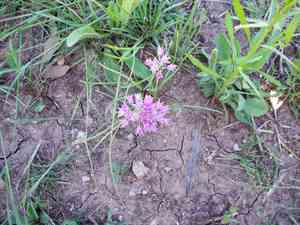
1
Provide Drummond's Onion with soil that drains effectively to avoid root decay over winter.
2
Drummond's Onion tolerates frost and can generally endure temperatures as low as -10°C (14°F) if properly maintained.
3
Applying a layer of organic mulch, such as straw or leaves, can help protect Drummond's Onion bulbs from severe winter weather.
What Makes Drummond's Onion Frost Hardy?
What Makes Drummond's Onion Frost Hardy?
Drummond's Onion (Allium drummondii) is a robust perennial that has evolved to endure frigid winter conditions. Its tough nature comes from its capacity to enter dormancy, slowing metabolic processes and conserving energy. The onion's bulbs, buried underground, are naturally insulated against freezing temperatures. This plant's ability to withstand low temperatures makes it an excellent option for gardens in colder climates. However, ensuring its survival through winter demands careful preparation and safeguarding.
Preparing Drummond's Onion for Winter
Soil Preparation
Begin by ensuring your Drummond's Onion is planted in soil that drains well. Compacted or poorly draining soil can lead to waterlogged conditions, which may cause the bulbs to rot. If your garden soil is heavy clay, consider incorporating sand or compost to enhance drainage and aeration. The ideal soil pH for Drummond's Onion ranges between 6.0 and 7.5. Testing your soil and amending it as needed can significantly benefit the plantâs vitality.
Watering Needs
As winter approaches, significantly reduce irrigation. Excessive watering during colder months can result in bulb decay. In areas with consistent rainfall, supplementary watering might not be necessary. Aim to keep the soil only slightly moist, allowing the top 2-3 centimeters (1 inch) to dry out between waterings. If there's an extended dry period, you may need to water sparingly, ensuring you donât saturate the soil.
Mulching
One of the most effective ways to protect Drummond's Onion through winter is to apply a layer of mulch. Utilize organic materials such as straw, leaves, or wood chips. Mulching helps insulate the soil, keeping it warmer and minimizing temperature fluctuations. Spread a 5-8 centimeter (2-3 inch) thick layer around the plants, making sure the mulch doesn't directly touch the bulbs to prevent rot.
Winter Protection Strategies for Drummond's Onion
Using Protective Covers
During extremely cold periods, consider employing protective coverings like frost blankets or cloches. These can shield Drummond's Onion from harsh winds and freezing temperatures. Ensure the covers are secured to prevent them from being blown away. Remove them during the day if temperatures rise above freezing to allow sunlight to reach the plants.
Avoiding Frost Damage
To further prevent frost damage, plant Drummond's Onion in a sheltered spot, such as against a south-facing wall or fence. These areas benefit from additional warmth and protection from cold winds. Furthermore, ensuring good air circulation around the plant can help prevent frost from settling on the leaves and causing harm.
Monitoring Drummond's Onion Throughout Winter
Regular Check-ups
Periodically inspect your Drummond's Onion throughout winter. Verify the soil moisture levels, and ensure that the mulch layer remains in place. Look for any indications of rot or disease, especially after heavy rain or snowfall. Early detection of problems can significantly impact the plant's survival.
Identifying Signs of Stress
Be vigilant for signs of stress in your Drummond's Onion. Yellowing foliage, soft bulbs, or moldy growth can all signal issues. Address these problems promptly by adjusting watering, improving drainage, or providing extra protection. A healthy plant is much more likely to survive and thrive through the winter months.



