How to Prune Drummond's Onion?
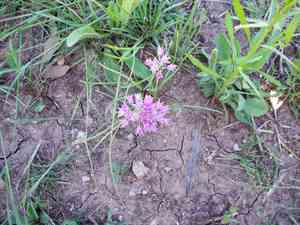
A perennial plant featuring a bulbous base and decorative blossoms, drummond's Onion needs very little trimming to preserve its look and vitality. Removing faded flowers in the spring or summer stimulates additional blooming and stops the plant from self-propagating. After flowering, eliminate any yellowed or deceased leaves to redirect energy towards the bulbs. Trimming during the active growth phases of spring and summer is ideal for enhancing plant strength and bloom excellence. Consistent removal of compromised sections deters illness and fosters an orderly growth pattern.
Advantages of Trimming Drummond's Onion
Advantages of Trimming Drummond's Onion
Trimming drummond's Onion promotes robust development by reallocating energy to new shoots and preserving its desired form, ensuring a strong and appealing plant.
Optimal Period for Trimming Drummond's Onion
Optimal Period for Trimming Drummond's Onion
Trimming drummond's Onion in spring coincides with its post-dormancy phase when active growth begins, allowing for shaping and removal of winter damage before energy is directed to new growth. This timing also prevents cutting foliage vital for photosynthesis and energy storage during the growing season. Late summer pruning is ideal as it follows the flowering period, enabling gardeners to deadhead spent blooms to encourage more flowering and prevent unwanted self-seeding, while also giving drummond's Onion time to recover before winter. Pruning during these seasons supports drummond's Onion's health, leading to vigorous growth and a vibrant display next season.
Tools Required for Trimming Drummond's Onion
Hand Pruners or Secateurs
These are crucial for making clean cuts on drummond's Onion's slender foliage and flower stems. A sharp bypass pruner is perfect as it creates a clean cut vital for plant health and is less likely to crush plant tissues.
Garden Scissors
These are suitable for trimming and shaping drummond's Onion's delicate leaves and stems. Garden scissors offer precision and control, necessary given the plant's size and the job's intricacy.
Gardening Gloves
Though not a cutting tool, gloves are essential for protecting hands from potential irritants on drummond's Onion's foliage and for safe handling of plants and tools.
Handheld Shears
For managing larger clusters or for shaping, handheld shears can provide an even trim across drummond's Onion. They should be used carefully to avoid removing too much growth at once.
Cleaning Cloth and Disinfectant
To prevent disease spread, it's important to use a cleaning cloth and disinfectant to clean tools before and after trimming drummond's Onion.
How to Trim Drummond's Onion
Disinfect Tools
Before starting, ensure all trimming tools are sanitized to prevent disease spread. Wipe blades with a solution of one part bleach to nine parts water.
Diseased Leaves Removal
Carefully remove any diseased leaves from drummond's Onion by gently pulling or cutting them at the base, being careful not to harm the bulb or nearby healthy foliage.
Withered Leaves Removal
Identify withered or yellowing leaves on drummond's Onion and cut them back to the base using sharp scissors or pruning shears, ensuring clean cuts that won't promote pathogens.
Diseased Stems Removal
Examine drummond's Onion for signs of infected or weakened stems and cut them back to healthy tissue, well above any bulbous base to prevent plant damage.
Cleanup
After trimming drummond's Onion, collect and dispose of all trimmed material away from the garden to minimize disease spread. Clean your tools again after the procedure.
Common Trimming Errors with Drummond's Onion
Over-Trimming
Removing too much foliage from drummond's Onion can weaken the plant. Limit trimming to dead or diseased tissues.
Incorrect Cut Locations
Cuts made too far from a node can result in unsightly stubs, while cutting too close can damage the node. Trim just above the node at a 45-degree angle.
Using Dull Tools
Dull trimming tools can damage drummond's Onion's tissues, leading to disease. Always use sharp, clean tools.
Neglecting Disinfection
Not disinfecting tools between plants can spread pests and diseases. Sanitize tools especially after cutting through diseased material.
Trimming Healthy Growth
Avoid cutting back healthy foliage or flowers, as this can reduce drummond's Onion's vigor and bloom potential.
General Trimming Advice for Drummond's Onion
Deadheading
Remove spent flowers of drummond's Onion to encourage more blooming and prevent unwanted self-seeding.
Disease Removal
Promptly cut away any diseased or damaged parts of drummond's Onion to maintain plant health and prevent disease spread.
Shape Maintenance
Lightly trim drummond's Onion to maintain a desirable shape and prevent the plant from becoming too leggy or unruly.
Aeration
Thin out dense areas to improve air circulation, which can help prevent fungal diseases in drummond's Onion's foliage.
Post-Bloom Trim
After drummond's Onion has finished its blooming cycle, trim the flower stalks back to the base to tidy up the plant and encourage a healthy dormancy period.



