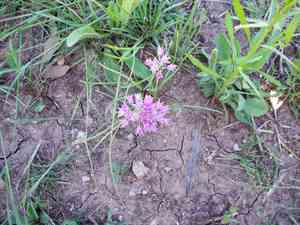
Drummond's Onion (Allium drummondii)
Also known as: Wild Onion, Prairie Onion
Native Americans gathered the roots of Drummond's Onion (Allium drummondii) as a food source. They needed to cook them extensively because these roots are high in inulin, a type of sugar that the human body can't digest without prolonged heating to break it down. Drummond's Onion is also known as prairie onion or wild garlic.
In This Article
Attributes of Drummond's Onion
Lifespan
Perennial
Plant Type
Herb
Plant Height
10 cm to 25 cm
Spread
30 cm
Leaf Color
Green
Flower Size
10 cm
Flower Color
Pink White Purple
Images of Drummond's Onion
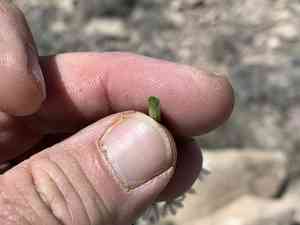
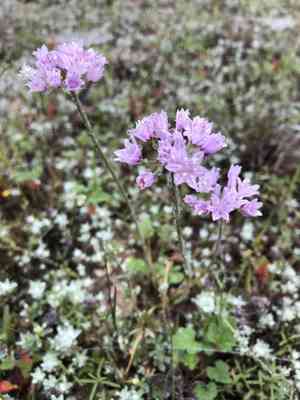
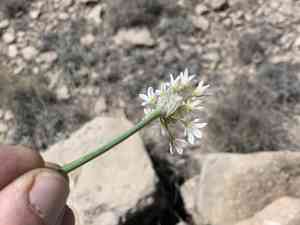
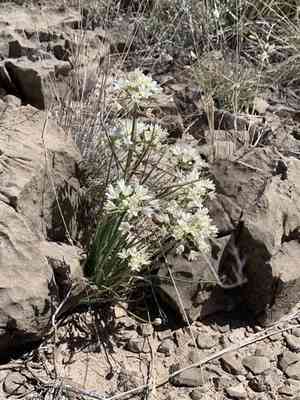
Quickly Identify Drummond's Onion
1
Identify Allium drummondii by its clump-forming growth habit, slender leaves, and distinctive pink to purple flowers. It often grows in prairies and open woods.
Scientific Classification of Drummond's Onion
Phylum
Vascular plants
Class
Monocotyledons
Order
Asparagales
Family
Amaryllis
Genus
Onions
Species
Drummond's Onion
Planting and Growing of Drummond's Onion
Care Difficulty
Easy
Watering Schedule
Every 2 days
Sunlight Requirements
Full sun
Sunshine Duration
6-8 hours
Ideal Temperature
60-75℉
Soil Type
Potting Mix, Peat Mix
Soil pH
6.5-7.5
Fertilizer Type
Balanced
Pruning Season
Spring, Summer
Pruning Area
Branches, Leaves
Pruning Frequency
2 times a year
Repotting Season
Spring
Pot Type
Plastic, Ceramic
 How to Water Drummond's Onion?
For Allium drummondii, the ideal watering amount would be approximately 200 ml per session. Ensure that the water soaks deeply, reaching the roots but does not leave the soil mushy. This helps maintain a balance that simulates its natural habitat without causing root rot.
What are the symptoms of an underwatered Drummond's Onion?
›
What should I do if my Drummond's Onion is not getting enough water?
›
What are the symptoms of an overwatered Drummond's Onion?
›
How to save an overwatered Drummond's Onion?
›
 What Are the Sunlight Requirements for Drummond's Onion?
Allium drummondii prefers full sun, specifically 6 to 8 hours of sunlight. This exposure ensures ample photosynthesis activity, promoting vigorous growth and a robust blooming season.
More About Sunlight Requirements Techniques→
What is the optimal environment for Allium drummondii?
›
How to achieve the ideal lighting conditions?
›
What benefits come from ideal lighting?
›
 What Is the Ideal Temperature Range for Drummond's Onion?
Allium drummondii thrives best within the temperature range of 60 to 75°F. This temperature range provides optimal conditions for its growth, ensuring that the plant absorbs nutrients effectively, maintains healthy metabolic rates, and supports flowering processes. Maintaining these temperatures closely will help avoid plant stress and promote lush, healthy growth.
 What Soil is Best for Drummond's Onion?
Allium drummondii thrives in well-drained soil to prevent root rot and excess moisture retention. This type of soil allows for optimal water drainage, which is crucial for the health of the plant's bulbs and overall vigor. The soil should have moderate fertility, ensuring enough nutrients for the plant without excess that can lead to lush foliage at the expense of bloom. A balanced nutrient profile supports both flowering and healthy leaf growth. Allium drummondii prefers a soil pH that is slightly alkaline, helping it absorb nutrients efficiently. Maintaining a pH closer to 7 ensures that essential nutrients like potassium and magnesium are available.
 How to Fertilize Drummond's Onion?
For Allium drummondii, using a balanced liquid fertilizer, dilute it to half-strength before application. This is especially important during the growing season when the plant demands nutrients for healthy foliage and flowering. Over-fertilizing can harm the plant, so watch its condition closely.
 How to Prune Drummond's Onion?
Begin by removing any dead or discolored leaves as these can sap energy from healthy parts of the plant. Use sharp scissors or pruners to ensure clean cuts, facilitating quicker healing. After the blooming phase, trim down the spent flower heads to encourage the plant to channel its energy into bulb development. This not only enhances next year's bloom but also keeps the foliage tidy.
More About Pruning Techniques→
 How to Propagate Drummond's Onion plant?
1
Fill the seed tray with a mixture of potting soil and compost, then evenly scatter the seeds over the surface. Cover them with a thin layer of soil and water gently. Place the tray in a warm, sunny location.
2
Carefully dig up the plant using a garden spade, ensuring not to damage the bulbs. Separate the clumps into smaller sections, each with a few bulbs and roots attached. Replant them immediately in well-prepared soil.
3
After planting seeds or bulbs, it's important to maintain consistent moisture. Water them regularly but avoid waterlogging. Monitor for signs of growth and disease, and ensure they are placed in a spot with adequate sunlight.
 How to Repot Drummond's Onion plant?
1
Allium drummondii should be repotted when you notice that the roots are starting to outgrow their container or the soil appears compacted. These are signals that the plant needs more space and fresh nutrients. Spring and autumn are ideal times for repotting, as the plant is not in its peak growth or dormancy phase.
2
Select a pot that is slightly larger than the current one, with good drainage holes to prevent waterlogging. Using a slightly bigger pot allows the roots to spread and helps the plant establish better. A pot with good drainage ensures excess water can escape, preventing root rot and promoting healthier growth.
3
Opt for loamy, well-draining soil to ensure proper aeration and moisture retention. This type of soil provides the necessary nutrients while preventing water from stagnating. Good soil drainage is crucial for avoiding fungal issues and promoting strong root development.
Toxicity
Ingestion
WARNING
The judgment on toxicity and danger is for reference only. We DO NOT GUARANTEE any accuracy of such judgment. Therefore, you SHALL NOT rely on such judgment. It is IMPORTANT TO SEEK PROFESSIONAL ADVICE in advance when necessary.
Learn More About Drummond's Onion Diseases
Anthracnose
Bacterial Leaf Spot
Bacterial Soft Rot
Damping-off
Downy Mildew
Drought Stress
Fusarium Wilt
Gray Mold
Leaf Spot
Mosaic
Nutrient Deficiency
Nutrient Toxicity
Powdery Mildew
Root Rot
Root-knot Nematode
Rusts
Sooty Mold
Spider Mites
Temperature Stress
Thrips Damage
White Mold
Chemical Injury



