How to Propagate Drummond's Onion?
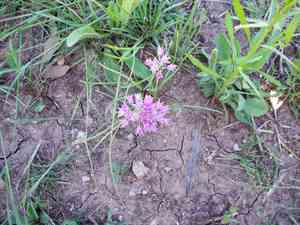
Drummond's Onion is multiplied via separation, a simple yet efficient technique for enlarging your assortment. Split the bulb groupings in late summer once the leaves have withered. Gently detach the bulbs and embed them at the identical depth they previously occupied. This guarantees every new specimen possesses a robust root structure and a segment of the storage component, fostering thriving development. Diligent oversight of irrigation and substrate quality following transplantation is vital for successful establishment.
Optimal Period for Propagating Drummond's Onion
Propagation Method
Utilize The Tubers
Propagation Season
Spring
Tools Required for Drummond's Onion Propagation
Garden Trowel
A garden trowel is essential for excavating and placing drummond's Onion's tubers. Its pointed tip allows for precise and effortless soil penetration, aiding in setting tubers at the correct depth. This implement helps minimize soil compaction around the tubers, fostering improved root growth and water uptake.
Labeling Stakes and Marker
Labeling stakes paired with a weather-resistant marker are vital for identifying and organizing planted drummond's Onion tubers. Proper labeling assists in monitoring growth progress and maintaining the correct care regimen, ensuring drummond's Onion's specific needs, such as watering and fertilization schedules, are met during propagation.
Watering Can with a Fine Rose
A watering can equipped with a fine rose attachment is crucial for gently irrigating newly planted drummond's Onion tubers. The delicate spray ensures the soil is moistened without displacing or exposing the tubers, thereby safeguarding them from harm and providing a stable environment conducive to root development.
Hand Fork
A hand fork is beneficial for loosening soil around drummond's Onion without harming the tubers. This tool is particularly useful when preparing the planting site or aerating the soil, promoting better drainage and oxygen flow to the tubers, which is vital for healthy root development.
Mulch
Applying a layer of mulch around drummond's Onion's planting area helps retain soil moisture, regulate soil temperature, and inhibit weed growth. Mulching thus creates a stable, controlled environment that supports successful tuber rooting and growth, leading to healthy propagation.
Caring for Your Newly Propagated Drummond's Onion
Caring for Your Newly Propagated Drummond's Onion
Once drummond's Onion has successfully sprouted and established, maintain consistent watering, ensuring the soil stays damp but not waterlogged. Fertilize sparingly in the initial growth phases to encourage robust development. As drummond's Onion matures, decrease watering frequency, allowing the soil to dry slightly between irrigations. Protect drummond's Onion from pests through regular inspections and necessary interventions. Mulch around the base to retain moisture and suppress weeds, but keep the mulch away from the stems to prevent rot.
Common Errors to Avoid When Propagating Drummond's Onion
Overwatering
Excessive moisture can lead to root rot in drummond's Onion, hindering their ability to absorb nutrients and ultimately causing the plant to decline.
Planting depth
Planting drummond's Onion's bulbs either too deep or too shallow can negatively impact their growth. Too deep may impede sprouting, while too shallow might expose them to harsh surface conditions.
Neglecting bulb separation
Failing to separate drummond's Onion's bulbs when they become overcrowded can restrict their growth due to competition for resources.
Advice For Propagating Drummond's Onion
Appropriate soil preparation
Ensure drummond's Onion's planting medium is well-draining with a blend of organic matter; this fosters healthy root development and prevents waterlogging.
Correct bulb handling
Handle drummond's Onion's bulbs gently during separation and planting to prevent damage, which can hinder growth or lead to fungal infections.
Adequate spacing
Provide sufficient space between planted drummond's Onion bulbs to promote proper air circulation and reduce the risk of disease spread.



