How to Transplant Southern colicroot?
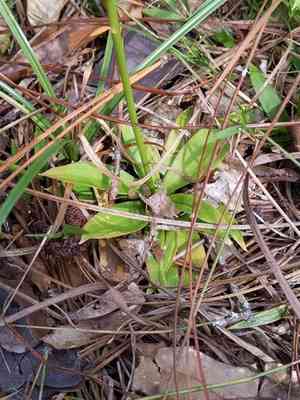
Southern colicroot flourishes when relocated between early and late spring, benefiting from mild weather. Select a location that receives full sun or partial shade and has soil that drains effectively. Confirm the new site replicates its native environment for peak development.
What Preparations are Needed Before Transplanting Southern Colicroot?
What is the Ideal Time for Transplanting Southern Colicroot?
The best time to move southern colicroot, a perennial, is from early to late spring. During this period, soil temperatures are rising, allowing the plant to settle in before summer's heat. Transplanting within this timeframe promotes stronger root development and better overall plant health, reducing stress and maximizing its growth potential.
How Much Space Should You Leave Between Southern Colicroot Plants?
When relocating southern colicroot, ensure each plant is spaced approximately 12-18 inches (30-45 cm) apart. This spacing provides ample room for growth without resource competition, giving them the best chance to flourish.
What is the Best Soil Mix for Southern Colicroot Transplanting?
Prepare a well-draining soil mixture for southern colicroot with a base fertilizer rich in organic matter. Sandy or loamy soil is most suitable. Before planting, incorporate a balanced, slow-release fertilizer to support initial root development.
Where Should You Relocate Your Southern Colicroot?
Southern colicroot thrives best in areas with full sun or partial shade. Select a garden spot that receives at least 4-6 hours of daily sunlight to ensure vigorous growth.
What Equipments Should You Prepare Before Transplantation Southern Colicroot?
Gardening Gloves
To safeguard your hands while handling soil and plants.
Shovel or Spade
For excavating the plant from its original spot and preparing the new planting site.
Hand Trowel
To assist in gently removing the plant from small containers or seedling trays.
Watering Can or Hose
For hydrating the plant before and after its relocation.
Wheelbarrow or Bucket
To transport the plant if necessary.
How Do You Remove Southern Colicroot from the Soil?
How Do You Remove Southern Colicroot from the Soil?
From Ground: First, moisten the southern colicroot plant's soil. Then, dig a wide trench around the plant using a shovel or spade, ensuring the root ball remains intact. Carefully work the spade beneath the root ball and gently lift the plant from its original location, placing it in a wheelbarrow or bucket if needed for transport.From Pot: Thoroughly water the southern colicroot plant to help loosen the soil. Turn the pot on its side and gently tap the bottom to release the plant, using a hand trowel along the edges if necessary. Carefully slide the plant out, keeping the root ball intact.From Seedling Tray: Water the seedlings and use a hand trowel to gently lift the southern colicroot plant from the tray, taking care not to harm the roots. If roots are tangled, carefully separate them before removal.
Step-by-Step Guide for Transplanting Southern Colicroot
Preparation
Water the southern colicroot plant the day prior to transplanting to lessen transplant shock.
Digging New Hole
Excavate a hole that is twice as wide and as deep as the plant's root ball in your chosen spot.
Planting Process
Position the southern colicroot plant in the center of the hole. Ensure the top of the root ball is level with the ground surface, then backfill with soil, gently firming it down to eliminate air pockets.
Watering
Thoroughly water the southern colicroot plant after planting to help the soil settle around the roots.
How Do You Care For Southern Colicroot After Transplanting?
Watering
Keep the soil around the southern colicroot consistently moist, but not waterlogged, for the initial weeks post-transplant to aid in establishing strong roots.
Mulching
Apply a layer of mulch around the plant's base to help retain moisture and regulate soil temperature.
Monitoring
Observe for any indications of transplant shock, such as wilting or yellowing leaves, and provide shade if necessary until the plant recovers.
Weeding
Regularly remove weeds surrounding the southern colicroot plant to reduce competition for nutrients and water.
Troubleshooting Common Issues with Southern Colicroot Transplantation.
When is the best time to transplant southern colicroot?
Relocate southern colicroot from early spring to late spring for optimal establishment and growth.
How much spacing should southern colicroot plants have?
Space southern colicroot plants 12-18 inches (30-45 cm) apart to allow for healthy growth.
What type of soil is best for southern colicroot?
Southern colicroot prefers well-drained, slightly acidic to neutral soil for optimal growth.
How can I avoid transplant shock for southern colicroot?
Water southern colicroot thoroughly before and after transplanting to minimize transplant shock.
Should I amend the soil when transplanting southern colicroot?
Incorporate organic compost into the soil to provide nutrients and improve drainage for southern colicroot.
How deep should I plant southern colicroot during transplanting?
Plant southern colicroot at the same depth it was growing previously to avoid stem rot.
Is mulching necessary after transplanting southern colicroot?
Yes, apply a 2-3 inch (5-7.5 cm) layer of mulch to retain moisture and suppress weeds.
How often should I water southern colicroot after transplanting?
Water southern colicroot regularly to keep the soil moist but not waterlogged, especially in the first few weeks.
Can southern colicroot be transplanted during hot weather?
Avoid transplanting southern colicroot during hot weather; early spring to late spring is ideal.
What should I do if southern colicroot shows signs of wilting after transplanting?
If southern colicroot wilts, ensure it's well-watered and shaded temporarily to reduce stress.



