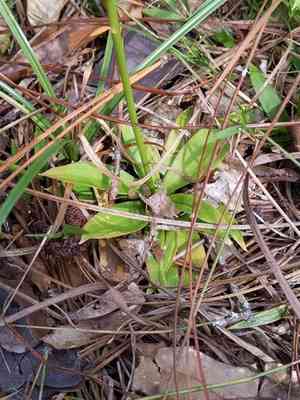
Southern colicroot (Aletris obovata)
Also known as: none
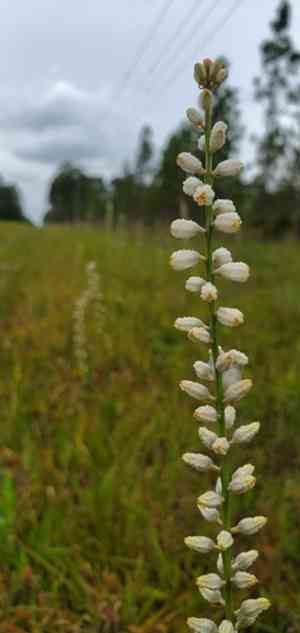
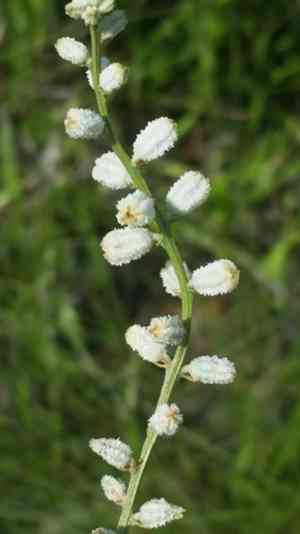
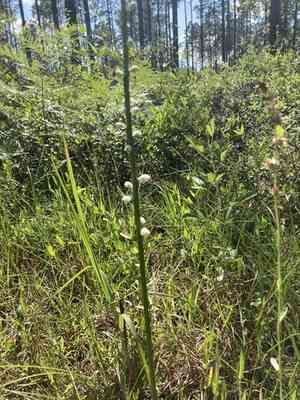
This perennial herb can grow up to 1 meter in height and features a long spike adorned with small, tubular flowers. Typically, the flowers are white or cream-colored, often accented with brownish tips on the corolla lobes. These lobes bend inward, giving the flower a rounded, almost egg-shaped appearance with a narrow opening at the tip. Primarily, butterflies are the main pollinators for these cylindrical flowers, attracted by their shape and color.
In This Article
Attributes of Southern colicroot
Lifespan
Perennial
Plant Type
Herb
Plant Height
0 mm to 30 cm
Spread
5-10 cm
Leaf Color
Green
Flower Size
0.5-1 cm
Flower Color
White
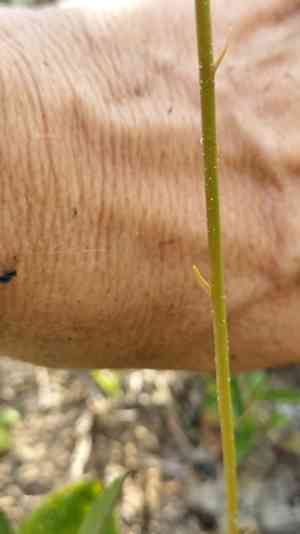
Images of Southern colicroot
Quickly Identify Southern colicroot
1
Aletris obovata can be identified by its basal rosette of obovate to lanceolate leaves and tall flowering stalks that bear clusters of small, white, bell-shaped flowers.
Scientific Classification of Southern colicroot
Phylum
Vascular plants
Class
Monocotyledons
Order
Dioscoreales
Family
Bog asphodel
Genus
Colicroots
Species
Southern colicroot
Planting and Growing of Southern colicroot
Care Difficulty
Easy
Watering Schedule
Every 3 days
Sunlight Requirements
Full sun
Sunshine Duration
6-10 hours
Ideal Temperature
65-75℉
Soil Type
Potting Mix, Peat Mix
Soil pH
5.5-6.5
Fertilizer Type
Balanced
Pruning Season
Spring, Summer
Pruning Area
Branches, Leaves
Pruning Frequency
2 times a year
Repotting Season
Spring
Pot Type
Plastic, Ceramic
 How to Water Southern colicroot?
Aletris obovata requires a delicate balance of moisture. Water the plant with approximately 150 ml each time, ensuring the soil is evenly moist but not waterlogged. Avoid leaving the soil completely dry for extended periods.
What are the symptoms of an underwatered Southern colicroot?
›
What should I do if my Southern colicroot is not getting enough water?
›
What are the symptoms of an overwatered Southern colicroot?
›
How to save an overwatered Southern colicroot?
›
 What Are the Sunlight Requirements for Southern colicroot?
Aletris obovata benefits from semi-shade to partial sun, mimicking its natural habitat. Ideal light encourages vigorous growth and healthy foliage, supporting the plant's natural processes efficiently.
What is the best lighting condition for Aletris obovata?
›
How to achieve these lighting conditions?
›
Benefits of ideal lighting conditions for Aletris obovata?
›
 What Is the Ideal Temperature Range for Southern colicroot?
The ideal temperature range for Aletris obovata is between 65°F and 75°F. This range provides the optimal conditions for growth and photosynthesis, promoting healthy development and flowering. Ensuring temperatures within this range helps maintain the plant's metabolism and physiological activities, ensuring longevity and vitality.
 What Soil is Best for Southern colicroot?
Aletris obovata thrives in well-drained sandy loam soil which prevents waterlogging, thereby reducing the risk of root rot and promoting healthier root systems. While well-drained, the soil must also retain enough moisture to support the plant's growth phases, ensuring the roots have continuous access to water. This plant requires a soil enriched in organic matter to supply essential nutrients, bolstering its resilience and promoting lush, vigorous foliage.
 How to Fertilize Southern colicroot?
Aletris obovata thrives best when given a moderate amount of balanced fertilizer. Typically, use a quarter strength of a general-purpose liquid fertilizer to avoid over-fertilizing, ensuring a healthy balance of nutrients to support its unique growth pattern.
 How to Prune Southern colicroot?
First, inspect the plant for any dead or damaged leaves. Carefully trim these away using pruning shears, making sure to cut close to the base of the leaf without damaging the healthy stems. This will allow the plant to direct its energy towards new growth. To maintain a neat shape and promote healthy growth, prune the plant back to a healthy bud or lateral shoot. This encourages branching and a fuller appearance. Always cut at a slight angle to allow water to run off, preventing rot.
More About Pruning Techniques→
 How to Propagate Southern colicroot plant?
1
Start by preparing your seeds. For Aletris obovata, it is advisable to soak the seeds in warm water for 24 hours to soften the seed coat, improving germination rates. This step helps in breaking dormancy and encourages a quicker sprout time.
2
Use a well-draining soil mixture composed of peat moss and perlite in equal parts. This mixture maintains moisture without becoming waterlogged, providing an optimal growing medium for Aletris obovata seeds and divisions.
3
Sow the seeds on the surface of the soil in the seed tray. Lightly press them into the soil without covering them completely. This ensures that light reaches the seeds, which is crucial for their germination.
 How to Repot Southern colicroot plant?
1
Recognizing when to repot Aletris obovata is crucial. Keep an eye out for roots poking through the drainage holes or stunted growth, both signs that it's time to give this plant more room. Ideally, do this in early spring or summer when the plant is actively growing, to minimize stress.
2
The pot for Aletris obovata should have excellent drainage to prevent waterlogged roots, crucial for its well-being. Opt for a pot that's one size larger than its current container. Materials like terracotta are superb as they allow the soil to breathe, enhancing root health and preventing root rot.
3
Aletris obovata thrives in a well-draining sandy mix, which mimics its natural habitat. Such soil prevents waterlogging and provides the proper aeration essential to its root system. A mix that includes sand, perlite, and organic matter will provide balanced moisture retention and drainage.
Learn More About Southern colicroot Diseases
Anthracnose
Bacterial Leaf Spot
Bacterial Soft Rot
Bacterial Wilt
Black Spot
Chemical Injury
Crown Gall
Cyst Nematode
Damping-off
Downy Mildew
Drought Stress
Fusarium Wilt
Gray Mold
Leaf Spot
Mosaic
Nutrient Deficiency
Nutrient Toxicity
Powdery Mildew
Root Rot
Root-knot Nematode
Rusts
Sooty Mold
Spider Mites
Temperature Stress
Thrips Damage
White Mold



