The Southern colicroot Plant Advantage: Maximizing Home and Office Appeal and Wellness
1
Southern colicroot is recognized for its significant anti-inflammatory characteristics.
2
In the past, Southern colicroot was utilized in conventional herbal treatments.
3
Southern colicroot flourishes in sandy, well-drained soils typical of its natural environment.
What Are the Main Advantages of Southern colicroot?
Anti-inflammatory Qualities
A prominent advantage of Southern colicroot is its notable anti-inflammatory characteristics. This attribute makes it valuable in natural healing, where inflammation often underlies discomfort and various illnesses. Extracts from Southern colicroot have shown promise in reducing inflammation, offering relief and fostering overall well-being.
Digestive Wellness
Southern colicroot has a long history of use in aiding digestive health. Traditionally, it has been utilized to ease various digestive problems by soothing the gastrointestinal tract and promoting a balanced digestive system. The plant's natural compounds are believed to calm irritation and help maintain healthy digestion.
How Does Southern colicroot Contribute to Overall Health?
Traditional Medical Applications
Historically, Southern colicroot played a vital role in traditional medicine. Indigenous communities have employed its roots and extracts in various remedies. The adaptability of Southern colicroot in traditional practices highlights its significance and efficacy in natural healing. This establishes Southern colicroot as a trusted element in folk medicine across generations.
Natural Stress Reducer
Southern colicroot may also display adaptogenic properties, meaning it assists the body in resisting all types of stressors, be they physical, chemical, or biological. Adaptogens are known to support the body's stress response and help restore equilibrium, fostering a sense of well-being and enhancing overall vitality.
What Makes Southern colicroot Distinctive in Its Environment?
Ecological Importance
In its native environment, Southern colicroot fulfills a crucial ecological function. It flourishes in well-drained, sandy soils and is adapted to specific climatic conditions. This resilience not only showcases its hardiness but also its role in preserving the balance of its ecosystem.
Garden Allure
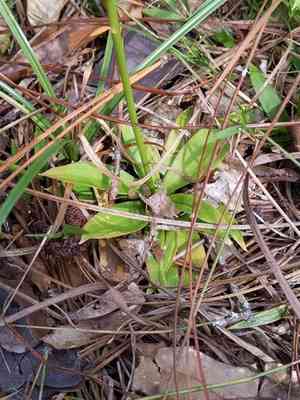
Southern colicroot also holds appeal for gardeners and plant enthusiasts. Its unique appearance and robust nature make it an excellent addition to gardens, especially those designed with native plants in mind. Gardeners appreciate Southern colicroot for its ability to withstand various environmental conditions while adding a touch of natural grace to their landscapes.
How to Integrate Southern colicroot into Your Botanical Routine?
Cultivation Advice
For those aiming to grow Southern colicroot in their gardens, understanding its cultivation needs is essential. Southern colicroot prefers well-drained, sandy soils and thrives in areas receiving full to partial sunlight. Proper soil conditions and adequate watering are vital for its growth and longevity.
Gathering and Application
If you intend to harvest Southern colicroot, timing and method are crucial. The optimal time for harvesting is when the plant is fully mature. Utilizing the roots and extracts in various ways can maximize its benefits. Whether you're interested in incorporating it into herbal remedies or simply enjoying its presence in your garden, understanding proper use ensures you get the most from Southern colicroot.
Why Is Southern colicroot an Environmentally Friendly Option?
Environmental Footprint
Choosing to cultivate and use Southern colicroot can also be an eco-conscious decision. As a plant adapted to thrive in less nutrient-rich soils, it requires fewer resources to grow compared to other cultivated plants. This minimal need for fertilizers and water makes Southern colicroot an environmentally sound choice for sustainability-minded individuals.
Biodiversity Support
By incorporating Southern colicroot into gardens and landscapes, individuals can bolster local biodiversity. This plant provides habitat and sustenance for wildlife, contributing to a balanced ecosystem. Its presence in your garden can help support various species and maintain ecological harmony.



