How to Prune Southern colicroot?
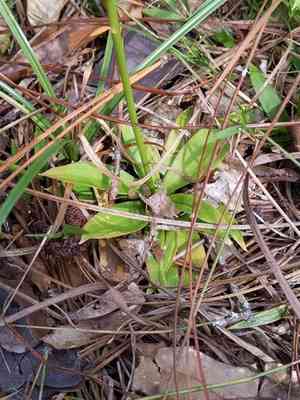
A unique perennial featuring erect floral stalks, southern colicroot flourishes with limited trimming to eliminate faded blossoms and sustain vitality. Trimming is most effective in spring, summer, and autumn to encourage development and hinder seed scattering. Concentrate on excising deceased or wilting flowers and any impaired leaves. Consistent, gentle pruning benefits southern colicroot's well-being and visual attractiveness, boosting blooming and averting excessive growth.
Advantages of Trimming Southern Colicroot
Advantages of Trimming Southern Colicroot
Trimming southern colicroot promotes robust development and maintains its desired form. Strategic cutting enhances air circulation and light penetration, vital for overall health and strong growth.
Optimal Period for Trimming Southern Colicroot
Optimal Period for Trimming Southern Colicroot
Trimming southern colicroot from late spring to early summer is ideal, coinciding with the end of its blooming phase, typically before new growth emerges. This timing allows the plant to recover and reallocate energy to developing strong roots and leaves post-reproduction. Additionally, pruning during these seasons helps avoid stress that might otherwise occur from cutting during peak growth.
Necessary Tools for Trimming Southern Colicroot
Hand Pruners
These are perfect for shaping and trimming southern colicroot's foliage due to its relatively small and delicate stems. Hand pruners offer the precision needed for clean cuts, which helps prevent plant damage and encourages healthy regrowth.
Shears
Especially useful if southern colicroot is cultivated in groups or clusters. Shears can help maintain a uniform and attractive shape across multiple plants, enabling quick, even trimming of the foliage.
Gardening Gloves
Though not a cutting implement, gloves are crucial when trimming southern colicroot to shield hands from any potential irritants on the plant or in the soil, and to provide a better grip on pruning tools.
Steps to Trim Southern Colicroot
Identify
Locate diseased and withered leaves on southern colicroot. Carefully examine the plant to differentiate unhealthy parts from normal growth.
Clean
Sanitize your pruning tools before beginning. This prevents the spread of disease from infected parts of southern colicroot to healthy ones.
Trim leaves
Gently remove the diseased and withered leaves. Use sharp, clean scissors or pruning shears, making cuts close to the leaf's base to encourage faster healing.
Trim branches
Cut back any dead or diseased branches on southern colicroot. Make clean cuts at a 45-degree angle approximately 1/4 inch above a bud or node to stimulate new growth in a desired direction.
Cleanup
After trimming, clear away all removed material from around southern colicroot to prevent the spread of any diseases. Dispose of diseased parts properly, not in the compost pile.
Common Trimming Errors with Southern Colicroot
Overpruning
A frequent error is removing too much foliage from southern colicroot, which can weaken the plant. This species only requires light trimming to remove dead or damaged parts, as excessive removal can impede its growth and resilience.
Improper technique
Using dull or unsanitized pruning tools can harm the delicate stems of southern colicroot, leading to jagged cuts that may introduce pathogens. It's essential to use sharp and sterilized tools for clean cuts.
Pruning live flower stalks
Another mistake is trimming healthy, live flower stalks, which can diminish the plant's ability to bloom. For southern colicroot, it's crucial to selectively prune only the parts that are clearly non-vital or have already completed their life cycle.
General Trimming Advice for Southern Colicroot
Target dead or damaged parts
Focus on removing only dead or damaged foliage and spent flower stalks. This not only improves southern colicroot's appearance but also redirects energy to healthier parts, promoting overall vigor and blooming.
Use the right tools
Employ sharp, clean shears or scissors for trimming southern colicroot. Sterilize your tools before use to prevent the transfer of diseases from other plants, ensuring a healthy pruning process.
Prune after flowering
Though specific timing is not detailed, it's generally recommended to prune after the plant has finished significant life cycle events. This approach allows southern colicroot to retain strength and resources necessary for future growth and reproduction.



