How to Propagate Southern colicroot?
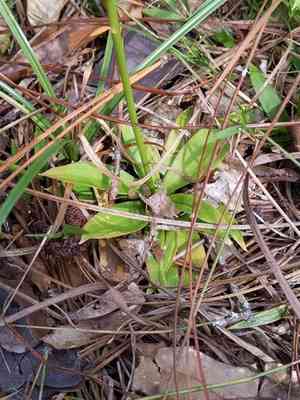
Southern colicroot is primarily multiplied via cuttings. When preparing cuttings, make sure to choose robust sections of the plant. Employing a rooting stimulant can boost the likelihood of successful root formation. Insert the cuttings into a potting blend that drains effectively, preferably in a protected spot to preserve consistent humidity levels, which are vital for root growth.
Optimal Time for Southern Colicroot Propagation
Propagation Method
Cutting
Propagation Period
Spring,Summer
Tools Required for Southern Colicroot Propagation
Sharp pruning shears
These are vital for making clean, precise cuts on southern colicroot, ensuring plant tissues are not crushed or harmed. A sharp, sterile cut helps prevent infection and encourages quicker rooting.
Rooting hormone powder or gel
This enhances the likelihood of successful root formation in southern colicroot cuttings. Dipping the cut end into rooting hormone stimulates faster root development, boosting propagation success.
Sterile potting mix
A well-draining, nutrient-rich potting medium is essential for the initial root development of southern colicroot. A sterile mix prevents pathogens that could harm cuttings before establishment.
Humidity dome or plastic cover
Maintaining high humidity around southern colicroot cuttings is crucial to prevent moisture loss from leaves and promote successful rooting. A dome or cover creates an ideal humid microenvironment.
Heat mat
Placing the propagation tray on a heat mat can significantly improve rooting success for southern colicroot cuttings by maintaining a consistent, warm soil temperature, which aids root growth and development.
How to Propagate Southern Colicroot?
Propagation Type
Easy
Post-Propagation Care for Southern Colicroot
Post-Propagation Care for Southern Colicroot
Following propagation, it's essential to continuously monitor soil moisture, keeping it slightly damp but not saturated to prevent root rot. Position the plant in bright, indirect light, and regulate ambient temperatures, avoiding extreme conditions. Fertilize sparingly with a balanced, slow-release product to support healthy growth without over-feeding. Regular checks for pests or diseases will also contribute to the overall health and success of southern colicroot.
Common Errors to Avoid When Propagating Southern Colicroot
Overwatering
Excessive watering can lead to root rot in southern colicroot, which thrives in well-drained soil. Too much moisture hinders proper root development and increases vulnerability to fungal diseases.
Deep planting of seeds
Planting seeds too deeply can prevent southern colicroot seeds from germinating due to insufficient light exposure and difficulty for seedlings to emerge from the soil.
Using poor draining soil
Employing soil that lacks proper drainage can retain too much moisture around southern colicroot's roots, causing health issues and negatively impacting growth and propagation success.
Advice for Propagating Southern Colicroot
Use well-draining soil
Ensure the use of a well-draining soil mix to facilitate healthy root growth and prevent waterlogging. This supports the delicate root system of southern colicroot, promoting better growth and survival rates.
Surface sowing seeds
Sow southern colicroot seeds on the soil surface, gently pressing them in without covering them extensively. This ensures they receive adequate light, which is vital for germination.
Maintain moderate moisture
Keep the soil moist but not waterlogged during the germination and initial growth phases of southern colicroot. Consistent, moderate watering encourages healthy root development without the risk of rot.



