How to Transplant Spike Bentgrass?
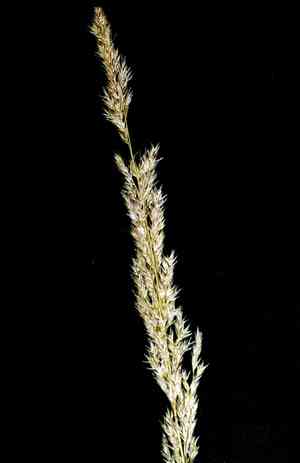
The optimal period for relocating spike Bentgrass extends from early spring through late spring, allowing roots to establish prior to intense heat. Select a location offering sufficient illumination and soil that drains effectively; careful handling assists its successful integration.
What Preparations are Needed Before Transplanting Spike Bentgrass?
What is the Ideal Time for Transplanting Spike Bentgrass?
The perfect time to move spike Bentgrass is during its active growth phase in early to mid-spring. Relocating spike Bentgrass in this season aligns with its natural renewal cycle, ensuring strong root growth and a smooth transition. Placing spike Bentgrass in its new spot when spring is in full swing allows it to benefit from mild temperatures and increasing daylight, which boost its establishment and vitality before summer's heat arrives. It's a favorable period for the plant, providing the gentle encouragement needed for it to thrive in its new setting.
How Much Space Should You Leave Between Spike Bentgrass Plants?
Greetings, gardening enthusiast! For your spike Bentgrass, you'll want to space them out to allow for optimal growth. Aim for approximately 6-12 inches (15-30 cm) between each plant. This provides each spike Bentgrass with the opportunity to develop robustly without competing for nutrients and sunlight.
What is the Best Soil Mix for Spike Bentgrass Transplanting?
For spike Bentgrass, you'll need soil that drains well to support healthy root development. Incorporate some compost or a balanced slow-release fertilizer before planting, to provide a nutritional boost. Ensuring the soil is loose and rich will create an excellent foundation for a thriving future!
Where Should You Relocate Your Spike Bentgrass?
When selecting a location for your spike Bentgrass, seek an area that receives partial to full sunlight. These plants enjoy the sun, so a spot with ample morning light and some afternoon shade would be perfect. This will keep your spike Bentgrass content and efficiently photosynthesizing.
What Equipments Should You Prepare Before Transplantation Spike Bentgrass?
Gardening Gloves
To safeguard your hands while handling soil and plants.
Shovel or Spade
For digging and lifting the plant.
Watering Can or Hose
To hydrate the plant before and after relocation.
Pruning Shears
To trim any dead or damaged roots and foliage.
Wheelbarrow or Garden Cart
For moving the plant and soil.
Soil Knife or Garden Trowel
For detailed work around roots and the planting hole.
Mulch
To help maintain soil moisture and regulate temperature around the new site.
How Do You Remove Spike Bentgrass from the Soil?
How Do You Remove Spike Bentgrass from the Soil?
From Ground: First, water the spike Bentgrass plant to moisten the soil. Then, use a shovel or spade to dig a wide trench around the plant, being careful to keep the root ball intact. Gradually work the tool under the root ball to gently lift the plant out.From Pot: Begin by watering the spike Bentgrass plant. Next, gently tilt the pot sideways and tap the bottom to loosen the plant. Slowly and carefully remove the plant, keeping the soil and roots as undisturbed as possible.From Seedling Tray: Moisten the soil in the seedling tray. Gently press on the bottom of the individual cell to push the spike Bentgrass plant upward, being careful not to harm the delicate roots as you extract it.
Step-by-Step Guide for Transplanting Spike Bentgrass
Preparation
Gather all necessary tools and prepare the new planting site, ensuring it is free of weeds and debris. Water the existing spike Bentgrass plant to minimize transplant shock during removal.
Root Ball Observation
Carefully remove the spike Bentgrass from its current spot, inspecting the root ball for any signs of disease or damage.
Hole Excavation
Dig a hole in the new location that is twice the width and the same depth as the root ball to provide ample room for the roots to spread without constraint.
Plant Positioning
Place spike Bentgrass in the center of the hole, ensuring the top of the root ball is level with the surrounding soil surface.
Refilling Hole
Carefully backfill the hole with native soil, gently compacting it to remove air pockets without over-compressing, which could suffocate the roots.
Watering
Water the spike Bentgrass immediately after transplanting to settle the soil and hydrate the roots, being careful not to over-water.
Mulching
Apply a layer of mulch around the base of the spike Bentgrass to conserve moisture and protect the roots from extreme temperatures.
Observation
Monitor the spike Bentgrass regularly for signs of recovery and growth, intervening with care when needed.
How Do You Care For Spike Bentgrass After Transplanting?
Monitoring
Observe the spike Bentgrass for indications of stress or illness. Prompt detection can help address issues quickly.
Watering
Maintain consistent soil moisture around the spike Bentgrass, adjusting frequency as needed based on weather conditions. Over time, roots will establish and watering can be reduced.
Pruning
Trim any broken or dead branches from the spike Bentgrass to help direct the plant's energy towards developing healthy roots and foliage.
Protection
Consider using a plant support or windbreak if the spike Bentgrass is in a particularly exposed location. Protect from wildlife if necessary.
Fertilizing
Delay fertilizer application until spike Bentgrass shows signs of new growth and has had a chance to settle in, unless previously instructed.
Troubleshooting Common Issues with Spike Bentgrass Transplantation.
Why is my spike Bentgrass not taking root after transplanting?
Ensure the root ball is moist and the soil drains well; avoid planting too deeply, which can suffocate roots.
What's the best time of year to transplant spike Bentgrass?
Optimal times for transplanting spike Bentgrass are from the beginning of the growing season to mid-growth period, early to late spring.
How much space does spike Bentgrass need between plants when transplanting?
Give spike Bentgrass adequate room, spacing them about 6-12 inches (15-30 cm) apart to ensure proper growth and airflow.
Can I transplant spike Bentgrass in hot summer weather?
Transplanting spike Bentgrass in extreme heat can stress the plants; aim for cooler, springtime weather.
What's the ideal soil pH for transplanting spike Bentgrass?
A slightly acidic to neutral soil pH (6.0 to 7.0) is ideal for spike Bentgrass, promoting healthy root development.
How do I water spike Bentgrass after transplanting for best results?
Water spike Bentgrass thoroughly post-transplant and maintain consistent moisture without overwatering, to encourage root establishment.
Why are my transplanted spike Bentgrass plants wilting?
Wilting could be due to root shock or insufficient watering; keep soil consistently moist and protect from strong sunlight.
What should I do if the leaves of spike Bentgrass turn yellow after transplanting?
Yellow leaves might indicate overwatering or poor drainage. Adjust your watering schedule and ensure the soil drains well.
Is it necessary to fertilize spike Bentgrass after transplanting?
Wait until spike Bentgrass shows signs of new growth before applying a balanced, slow-release fertilizer.
How deep should I plant spike Bentgrass during transplantation?
Transplant spike Bentgrass at the same depth it was grown previously, ensuring the crown of the plant is at soil level.



