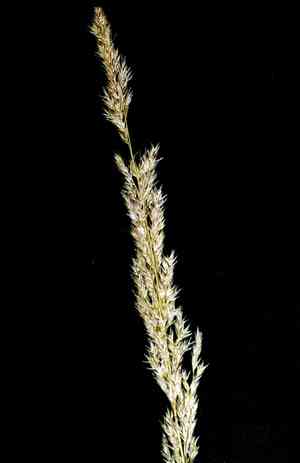
Spike Bentgrass (Agrostis exarata)
Also known as: Spike Red Top, Spike Bent
Spike Bentgrass, scientifically known as Agrostis exarata, is native to western North America. It is also referred to as Pacific bentgrass, western bentgrass, or spike redtop. In its natural habitat, this perennial grass is commonly found in wet environments such as along streams, rivers, and in wetlands. Despite its preference for moist soil, it is quite hardy and can endure periods of dryness.
In This Article
Attributes of Spike Bentgrass
Lifespan
Perennial
Plant Type
Grass
Plant Height
30 cm to 91 cm
Spread
30 cm
Leaf Color
Green
Flower Size
30 cm
Flower Color
White Green Purple Brown
Images of Spike Bentgrass
Quickly Identify Spike Bentgrass
1
Agrostis exarata can be identified by its slender, erect stems and narrow, flat leaves. The flower spikelets are arranged in a narrow, elongated panicle that has a somewhat spiked appearance.
Scientific Classification of Spike Bentgrass
Phylum
Vascular plants
Class
Monocotyledons
Order
Poales
Family
Grass
Genus
Bentgrass
Species
Spike Bentgrass
Planting and Growing of Spike Bentgrass
Care Difficulty
Easy
Watering Schedule
Every 4 days
Sunlight Requirements
Full sun
Sunshine Duration
6-12 hours
Ideal Temperature
50-77℉
Soil Type
Potting Mix, Peat Mix
Soil pH
6.5-7.5
Fertilizer Type
Balanced
Pruning Season
Spring, Summer
Pruning Area
Branches, Leaves
Pruning Frequency
2 times a year
Repotting Season
Spring
Pot Type
Plastic, Ceramic
 How to Water Spike Bentgrass?
For Agrostis exarata, watering should mimic a gentle rainfall. You want to ensure the soil is moist to a depth of about 5-6 cm. This typically requires around 500 ml of water per session, distributed evenly across the soil surface.
What are the symptoms of an underwatered Spike Bentgrass?
›
What should I do if my Spike Bentgrass is not getting enough water?
›
What are the symptoms of an overwatered Spike Bentgrass?
›
How to save an overwatered Spike Bentgrass?
›
 What Are the Sunlight Requirements for Spike Bentgrass?
Agrostis exarata prefers partial to full sun, ideally receiving between 6 and 8 hours of sunlight each day. Proper light conditions support photosynthesis, robust growth, and a vibrant green appearance.
More About Sunlight Requirements Techniques→
Question 1: Where should Agrostis exarata be placed for optimal sunlight?
›
Question 2: What adjustments can be made during different seasons?
›
Question 3: What are the benefits of achieving ideal lighting conditions?
›
 What Is the Ideal Temperature Range for Spike Bentgrass?
Agrostis exarata thrives best in temperatures ranging from 50°F to 77°F. This temperature range provides optimal conditions for photosynthesis and general metabolic activities, ensuring vigorous growth and development. It promotes healthy leaf growth, root expansion, and resilience against various plant stressors.
 What Soil is Best for Spike Bentgrass?
Agrostis exarata thrives in soil with a balanced nutrient profile, particularly rich in nitrogen and phosphorous. These nutrients are crucial for healthy growth and vibrant green foliage, which enhances the plant's aesthetic and ecological functions in its natural habitat. While it prefers well-drained soils, Agrostis exarata benefits from soil that can retain moisture without becoming waterlogged. This helps maintain consistent hydration levels, supporting steady growth and resilience against dry spells. Excellent soil drainage is paramount for Agrostis exarata. It prevents root rot and other moisture-related diseases, ensuring the plant's roots have access to air and essential nutrients without sitting in stagnant water.
 How to Fertilize Spike Bentgrass?
Agrostis exarata, commonly known as spike bentgrass, thrives with moderate amounts of fertilizer. Apply liquid fertilizer at a rate of 10 milliliters per square meter. Ensure even distribution to avoid nutrient concentration in any particular area.
 How to Prune Spike Bentgrass?
Begin by using a sharp pair of garden shears to trim the plant evenly across its growing area. Focus on removing the topmost inch to regulate height and promote new growth. Additionally, ensure you do not cut more than one-third of the grass length to avoid undue stress on the plant. After cutting, thoroughly clean up the grass clippings to prevent them from smothering the turf underneath. Following pruning, provide deep watering to the plant to help it recover and support robust regrowth. This practice aids in maintaining the plant's vigor throughout the growing seasons.
More About Pruning Techniques→
 How to Propagate Spike Bentgrass plant?
1
Prepare a well-draining seed mix using a combination of potting soil and perlite. Ensure the mix is moist but not waterlogged, as this provides an optimal environment for seed germination.
2
Sow the seeds evenly across the surface of the seed mix, pressing lightly to ensure contact with the soil. Do not cover the seeds too deeply, as Agrostis exarata seeds require light for germination.
3
When dividing plants, carefully lift the clumps with a garden fork and gently pull apart the roots, making sure each division has a healthy root system for successful transplantation.
 How to Repot Spike Bentgrass plant?
1
Look for signs like roots protruding from the drainage holes, the plant outgrowing its pot, or poor soil quality. This usually indicates it's time to give your Agrostis exarata a new home. Proactively checking in spring or autumn can help facilitate smooth transitions for your plant.
2
Choose a pot that is 1 to 2 inches larger in diameter than the current one. Ensure it has adequate drainage holes to prevent waterlogging, which can lead to root rot. This will provide enough space for root expansion, promoting healthy growth.
3
Use a loamy, well-draining soil mix to prevent compactness and allow for root aeration. This choice of soil will help maintain a balance of moisture and aeration, encouraging robust root development and nutrient absorption.



