How Much Sunlight Do Spike Bentgrass Need?
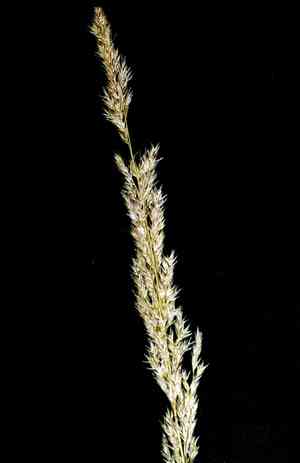
1
Spike Bentgrass flourishes optimally with more than 6 hours of direct sun each day.
2
Inadequate light exposure can hinder Spike Bentgrass development and increase its susceptibility to pests.
3
Too much sunlight could result in Spike Bentgrass wilting and scorched leaves.
The Importance of Sunlight for Spike Bentgrass
Photosynthesis and Development
Sunlight powers photosynthesis, the process where plants convert light energy into chemical energy. For Spike Bentgrass, sufficient sunlight is vital for its growth and maturation. When light hits the chlorophyll in the grass, it triggers food production, fueling its development. Without enough sun, Spike Bentgrass can exhibit hindered growth, appearing less lush and vibrant.
Wellness and Disease Resistance
Sunlight plays a crucial role in the overall health and immune response of Spike Bentgrass. Proper sun exposure ensures the grass maintains its natural defenses against illnesses and pests. Sunlight helps dry grass blades, reducing the likelihood of fungal infections and other moisture-related ailments. A healthy, sun-exposed lawn is less likely to succumb to diseases, preserving its aesthetic and functional quality.
Optimal Sunlight Conditions for Spike Bentgrass
Full Sun vs. Partial Shade
When selecting the best spot for Spike Bentgrass, aim for areas that get full sun. This means the grass should be exposed to direct sunlight for most of the day. While Spike Bentgrass can endure light shade, too much shade can impede its growth. Locations receiving morning sun and light afternoon shade are often ideal, offering a balance that meets the grass's needs without harsh sun exposure.
Daily Sunlight Requirements
Spike Bentgrass thrives with over 6 hours of direct sunlight daily. This requirement ensures the grass has ample light for efficient photosynthesis, leading to robust and healthy growth. If your lawn lacks sufficient sunlight, consider areas that receive sun from morning to early afternoon, totaling at least 6 hours.
Signs of Excessive Sun Exposure in Spike Bentgrass
Wilting and Leaf Scorch
One of the initial indicators that Spike Bentgrass is getting too much sunlight is wilting. The grass blades may appear limp and soft. If sun exposure is too intense, you might also observe leaf scorch, where the tips of the grass blades turn brown and crisp. These symptoms suggest the grass is stressed and needs relief from intense sun.
Discoloration and Stress Indicators
Too much sunlight can cause discoloration in Spike Bentgrass. The grass may lose its vibrant green color and begin to look yellowish or brownish. This discoloration signals stress from overexposure to UV rays. If not addressed, this stress can weaken the grass, making it more vulnerable to diseases and pests.
Signs of Insufficient Sun Exposure in Spike Bentgrass
Stunted Growth and Pale Foliage
When Spike Bentgrass doesn't receive enough sunlight, a primary sign is stunted growth. The grass may appear shorter and less dense than in adequately lit areas. Additionally, the leaves of Spike Bentgrass might become paler, lacking the deep green color indicative of health. Insufficient sunlight hinders photosynthesis, resulting in less energy for growth.
Increased Pest Vulnerability
Inadequate sunlight can make Spike Bentgrass more susceptible to pest infestations. Without enough light, the grass weakens and cannot effectively defend itself against pests. You might notice a rise in pest activity, such as more frequent sightings of insects like aphids or beetles, further damaging the already weakened grass.
Tips to Optimize Sunlight for Spike Bentgrass
Adjusting Planting Location
To ensure Spike Bentgrass gets optimal sunlight, carefully consider its planting spot. If your lawn has shady areas, try planting the grass where it receives morning sun and afternoon shade. You can also trim overhanging branches or remove obstructions that cast shadows on your grass, maximizing light exposure.
Utilizing Shade Cloths or Screens
For areas with excessive sunlight, using shade cloths or screens can help protect Spike Bentgrass. These tools can filter the intensity of the sun's rays, offering relief during peak sunlight hours. This method is especially useful during the hottest parts of the day, preventing wilting and leaf scorch while still allowing enough light for the grass to flourish.



