How to Prune Spike Bentgrass?
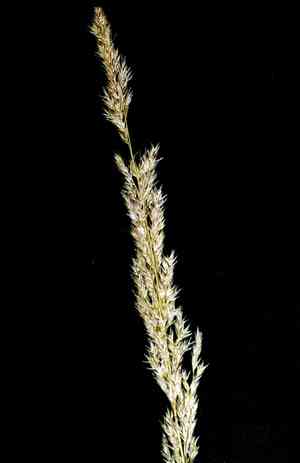
Originating from North America, this enduring grass flourishes in damp grasslands and sparse forests, characterized by its delicate feel and unique floral stalks. For spike Bentgrass, consistent cutting ensures an even turf and fosters thick development. Trim (cut) in early spring to eliminate deceased material, stimulating fresh sprouts. During winter, trimming should concentrate on evening out irregular or excessively grown areas. This deliberate scheduling avoids needless strain, boosting vigor and resistance to infestations and ailments. Advantages of trimming encompass better air movement, light exposure, and visual attractiveness.
Advantages of Trimming Spike Bentgrass
Advantages of Trimming Spike Bentgrass
Trimming spike Bentgrass promotes robust development and helps maintain its desired shape. By cutting back overgrown sections, air circulation and light penetration improve, fostering a healthier, more vigorous plant.
Optimal Time for Trimming Spike Bentgrass
Optimal Time for Trimming Spike Bentgrass
Trimming spike Bentgrass in early spring is beneficial as it coincides with the start of the plant's active growth period. This timing allows spike Bentgrass to recover quickly from pruning stress, minimizing harm and stimulating healthy new growth. Pruning during the dormant season in winter also offers benefits, such as a reduced risk of disease transmission and pest infestation, which are less active in cold weather. Additionally, the absence of leaves during winter provides clearer visibility of the plant's structure, enabling more precise trimming. Avoiding pruning during the flowering or fruiting periods ensures that the plant's reproductive cycle is not disrupted.
Tools Required for Trimming Spike Bentgrass
Hand Shears
Hand shears offer precision and ease of control, making them perfect for trimming the delicate blades of spike Bentgrass.
Grass Clippers
For accurate shaping or removing specific blades, grass clippers can target small areas without harming adjacent plant parts.
String Trimmer
If spike Bentgrass in an area needs significant reduction, a string trimmer can efficiently cut back the grass uniformly.
Lawn Mower
For larger areas of spike Bentgrass, a lawn mower set to an appropriate height can evenly trim the grass blades without scalping the turf.
Scythe or Sickle
In situations where spike Bentgrass grows in a more naturalized setting, a scythe or sickle allows for selective cutting without overly disturbing the surrounding area.
How to Trim Spike Bentgrass
Clean Tools
Sanitize pruning tools with a bleach and water solution or use isopropyl alcohol to prevent disease spread.
Identify Disease
Carefully inspect spike Bentgrass for diseased leaves, indicated by discoloration, spots, or decay, as well as any withered leaves that are dried out or brown.
Remove Diseased Leaves
Using the sanitized tools, selectively trim off diseased leaves by cutting them at the base where the leaf stem meets the main plant stalk, avoiding damage to healthy surrounding tissue.
Remove Withered Leaves
Similarly, remove withered leaves from spike Bentgrass, which no longer benefit the plant's growth or appearance, by making clean cuts at the junction of the leaf stem and plant stalk.
Cleanup
Gently rake away all trimmed foliage from the base of spike Bentgrass to prevent potential fungal growth and deter pests, then dispose of the plant debris properly.
Common Trimming Errors with Spike Bentgrass
Over-Pruning
Removing too much foliage from spike Bentgrass can stress the plant, leading to reduced vigor and potentially harming its natural shape and growth patterns.
Incorrect Tool Use
Using dull or dirty tools can result in jagged cuts that are more vulnerable to pests and diseases, and can damage spike Bentgrass's delicate grass blades.
Trimming Healthy Tops
Cutting off the green, healthy tips of spike Bentgrass instead of the older, brown, or diseased parts can hinder its growth and ability to photosynthesize efficiently.
Ignoring Diseased Material
Failing to remove diseased or dead tissue can allow issues to spread, negatively affecting spike Bentgrass's overall health and appearance.
Trimming At The Soil Level
Cutting spike Bentgrass's foliage too close to the ground can cause damage to the crown, which may prevent it from growing back properly.
General Trimming Advice for Spike Bentgrass
Sharp Tools
Always use sharp, clean shears or scissors to make precise cuts on spike Bentgrass, which aids in quick recovery and reduces the chance of disease.
Selective Removal
Focus on removing only the brown, dead, or damaged parts of spike Bentgrass, as this encourages new growth and maintains the plant's natural form.
Conservative Approach
Prune conservatively, trim back no more than one-third of spike Bentgrass's total foliage at a time to avoid placing the plant under excessive stress.
Regular Monitoring
Regularly monitor spike Bentgrass for signs of pests or disease, and promptly prune away any affected areas to prevent spread.
Adequate Spacing
Ensure spike Bentgrass is spaced adequately from other plants to provide good air circulation, which can help reduce the risk of fungal diseases that necessitate pruning.



