How to Propagate Spike Bentgrass?
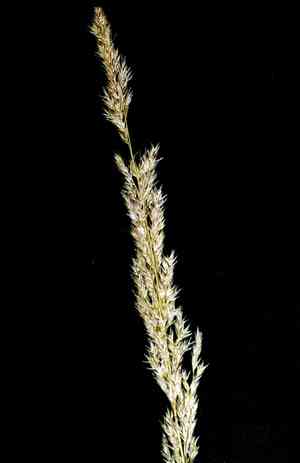
For spike Bentgrass, a turf variety known for its robust growth and versatility across different environments, seeding is the most effective method of reproduction. Distribute the seeds uniformly over a well-prepared area, ensuring direct contact between the seed and the earth, and sustain steady hydration without oversaturation, which will lead to successful establishment of spike Bentgrass. Comprehensive soil conditioning, followed by a gentle raking after planting, encourages prime sprouting and root development.
Optimal Time for Spike Bentgrass Propagation
Propagation Method
Splitting
Propagation Period
Spring,Autumn
Tools for Spike Bentgrass Propagation
Garden Spade
Crucial for digging up and lifting spike Bentgrass from the ground. Its sharp, flat blade helps cut through soil and separate clumps without excessive damage to root systems, vital for successful division.
Root Pruning Shears
Utilized for cleanly and precisely cutting roots. For spike Bentgrass, which can have dense root systems, a tool that makes clean cuts is important to prevent damage that could impede the plant's recovery and growth after transplant.
Garden Fork
Useful for loosening soil around spike Bentgrass prior to division. It enables the propagator to gently lift the plant and its roots with minimal disturbance. This is particularly beneficial as it helps preserve the root structure necessary for healthy regrowth.
Watering Can with a Fine Rose
Ensures spike Bentgrass is gently watered post-division, providing hydration without dislodging newly planted divisions with a strong water stream. The fine rose attachment distributes water evenly, mimicking light rainfall.
Labeling Stakes and Marker
Used to identify spike Bentgrass divisions once replanted. Labeling is essential for monitoring growth progress and specific care requirements of each division, especially in experimental or detailed horticultural setups.
How to Propagate Spike Bentgrass?
Propagation Type
Simple
Caring for Your Newly Propagated Spike Bentgrass
Caring for Your Newly Propagated Spike Bentgrass
Post-propagation, keep the soil consistently damp but not waterlogged. Check for pests and diseases, addressing any issues promptly to maintain spike Bentgrass's health. Lightly fertilize during the growing season to encourage robust growth, but avoid over-fertilization, which can lead to weak growth and increased pest susceptibility. Overseed sparse areas in late spring or early fall to maintain a dense turf.
Common Errors to Avoid When Propagating Spike Bentgrass
Overwatering
Excessive watering of spike Bentgrass can lead to root rot, a condition where roots begin to decay. This occurs because too much moisture limits oxygen availability to the roots, affecting the plant's overall health and reducing successful propagation.
Poor Soil Selection
Using soil that lacks proper drainage is problematic for spike Bentgrass, as it thrives in well-drained conditions. Inadequate soil choice can result in waterlogging, negatively impacting root health and development.
Overcrowding
Sowing spike Bentgrass seeds too closely can hinder their growth due to competition for light, nutrients, and space. This can lead to weaker plants with lower survival rates during propagation.
Ignoring Light Requirements
Failure to provide spike Bentgrass with adequate light can impede its photosynthesis and growth, crucial for healthy propagation. Insufficient light can result in elongated, weak stems and reduced vigor.
Tips For Propagating Spike Bentgrass
Seed Stratification
For successful germination, spike Bentgrass seeds may benefit from a period of stratification. This process of exposing seeds to cold temperatures for several weeks can help break dormancy and promote uniform germination.
Proper Soil Preparation
Prepare a well-draining soil mix that mimics spike Bentgrass's natural environment. A blend of loamy and sandy soil typically provides the right balance of drainage and nutrient content suitable for this plant.
Controlled Watering
Maintain a balanced watering regimen that keeps the soil moist but not waterlogged. Ensuring good soil drainage will help prevent root rot and support healthier growth.
Adequate Spacing
When sowing seeds or transplanting seedlings, ensure sufficient spacing to prevent overcrowding. This spacing allows individual plants ample access to sunlight and nutrients, crucial for vigorous growth and successful propagation.



